

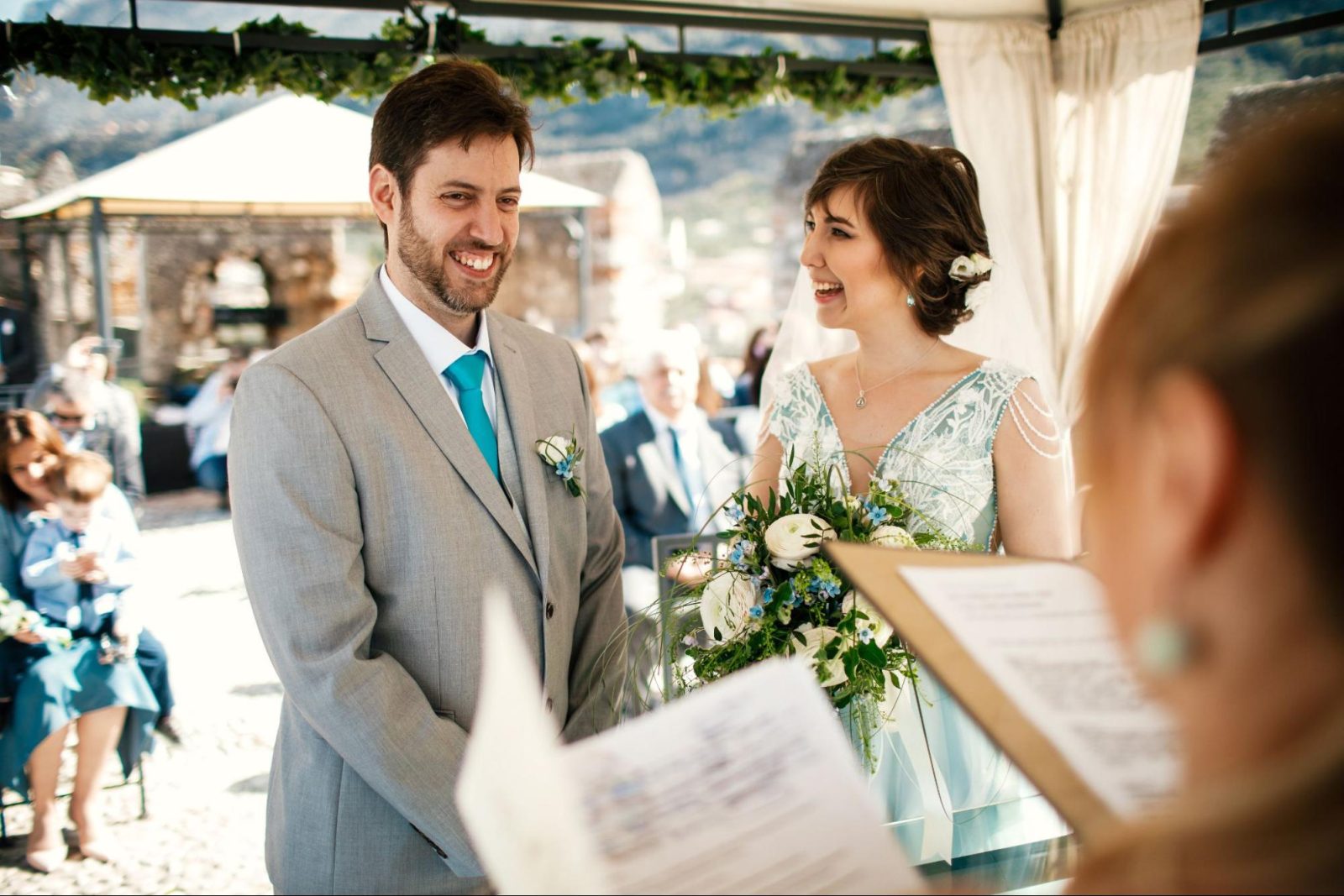
Planning an elegant wedding can quickly become overwhelming. Between choosing a venue, managing your budget, coordinating vendors, and balancing family expectations, it's easy to lose sight of the celebration you originally imagined. Even small decisions about flowers, seating, and ceremony timing can create unnecessary stress.
The secret to an elegant wedding isn't spending more. It's making thoughtful choices that create a beautiful setting, keep guests comfortable, and reflect your relationship.
These wedding planning tips will help you organize a meaningful ceremony, choose timeless details, and manage expenses without sacrificing the atmosphere you want.
1. Define Your Wedding Vision Before Making Decisions
An elegant wedding begins with a clear vision. Before booking vendors or purchasing decorations, decide how you want the celebration to look and feel.
According to The Knot's Real Weddings Study, wedding planning involves numerous decisions about budgets, vendors, guest experiences, and personal preferences. Establishing priorities early helps couples make these choices more consistently.
For couples considering a romantic estate setting, Hotel Du Village weddings provide an example of how historic architecture, gardens, and thoughtfully arranged event spaces can create an elegant atmosphere without excessive decoration.
Choose a Consistent Wedding Style
Start by selecting three words that describe your ideal celebration, such as romantic, timeless, and intimate. Use those words to guide your color palette, floral arrangements, invitations, attire, and table settings.
A consistent approach helps individual design elements work together rather than compete for attention.
Identify Your Nonnegotiable Priorities
Discuss which parts of the wedding matter most to both of you. Some couples prioritize photography and exceptional food, while others care more about music, floral design, or an intimate ceremony.
Establishing these priorities makes it easier to allocate your budget and avoid unnecessary upgrades.
2. Create a Realistic Wedding Planning Timeline
A well-organized timeline allows you to make important decisions without rushing.
While the ideal planning period depends on your wedding date and location, popular venues and vendors may require booking well in advance.
Organize Major Planning Milestones
Start with the decisions that affect everything else: budget, guest count, wedding date, and venue.
Once these are established, book essential vendors, including your photographer, caterer, florist, and entertainment.
As the wedding approaches, finalize attire, invitations, ceremony details, transportation, and seating arrangements. Keep contracts, payment deadlines, and vendor contact information in one shared document.
Build Flexibility Into Your Schedule
Wedding planning rarely follows a perfect timeline. Vendor availability, weather conditions, and guest changes can affect arrangements.
Allow extra time for fittings, deliveries, setup, and photography so minor delays don't disrupt the entire celebration.
3. Choose a Venue That Naturally Reflects Elegance
Your wedding venue establishes the atmosphere before guests see the flowers or hear the music. A setting with attractive architecture, thoughtful landscaping, or distinctive interiors can reduce the amount of decoration required.
Consider the Venue's Existing Features
Historic estates, gardens, boutique hotels, and traditional ballrooms can all provide elegant ceremony settings. Look for natural focal points such as fireplaces, staircases, courtyards, or landscaped gardens.
Rather than covering these features with elaborate decorations, use arrangements that complement the existing surroundings.
Evaluate Comfort and Practicality
Appearance should never outweigh functionality. Confirm the venue's guest capacity, accessibility, parking, restroom facilities, and weather contingency plans.
For outdoor ceremonies, ask about shade, seating arrangements, sound equipment, and backup indoor spaces. An elegant setting should feel comfortable and welcoming throughout the event.
4. Build a Thoughtful Wedding Guest List
Your guest count influences the venue, budget, seating plan, catering requirements, and overall atmosphere.
A carefully considered list helps create a celebration where guests feel included without overwhelming the space.
Start With Your Closest Relationships
Begin with immediate family, close friends, and people who have played meaningful roles in your lives.
Then consider extended family, coworkers, and additional guests based on your available capacity and budget. Establish consistent rules for plus-ones and children before sending invitations.
Consider the Guest Experience
Think about how guests will move between the ceremony, cocktail hour, and reception. Provide clear directions, appropriate seating, and information about transportation or accommodations when necessary.
Thoughtful planning helps guests focus on celebrating rather than navigating logistical problems.
5. Use Timeless Wedding Décor Instead of Excessive Decorations
Elegant wedding ideas often rely on balance, proportion, and carefully chosen details. You don't need elaborate installations in every corner of the venue to create a memorable atmosphere.
Select a Refined Color Palette
Neutral shades, soft pastels, muted greens, and rich seasonal colors can all support an elegant wedding design.
Choose a primary palette and use accent colors sparingly. Consistency across flowers, linens, stationery, and table settings creates a more polished appearance.
Focus on a Few Statement Features
Instead of decorating every surface, invest in areas that naturally attract attention. Consider a ceremony backdrop, entrance arrangement, or carefully styled reception tables.
Seasonal flowers, candlelight where permitted, and quality linens can create visual impact without unnecessary complexity.
6. Make the Wedding Ceremony Personal and Meaningful
The ceremony is the emotional center of the wedding. Thoughtful vows, comfortable seating, clear sound, and meaningful traditions can make it memorable without adding elaborate production elements.
Write Vows That Reflect Your Relationship
Personal vows don't need to be lengthy or overly formal. Include a meaningful memory, explain what your partner means to you, and make promises that reflect your shared future.
If you're unsure about length, coordinate with your officiant so both sets of vows fit naturally into the ceremony.
Plan Ceremony Seating and Sound
Arrange chairs so guests have clear views of the couple and officiant. For larger gatherings or outdoor ceremonies, microphones may be necessary. Rehearse the processional, readings, and transitions so everyone understands their role.
7. Manage Your Wedding Budget Without Sacrificing Style
An elegant wedding doesn't require unlimited spending. It requires allocating money to the details that matter most.
Spend More Where It Makes a Difference
Photography, catering, music, and guest comfort often deserve careful consideration because they shape the overall experience.
Decorative upgrades can be worthwhile, but they should support your priorities rather than consume the budget.
|
Wedding element |
Elegant approach |
Budget-conscious alternative |
|
Flowers |
Large ceremony arrangements |
Repurpose arrangements at the reception |
|
Invitations |
Custom stationery suite |
Printed invitations with digital RSVPs |
|
Cake |
Elaborate tiered cake |
Smaller display cake with served desserts |
|
Décor |
Extensive floral installations |
Focused arrangements and lighting |
Review Vendor Contracts Carefully
Ask vendors to clarify what their quotations include. Setup fees, delivery charges, overtime, rentals, taxes, and service charges can affect your final expenses. Maintain a contingency amount for unexpected costs and track every confirmed expense.
8. Coordinate Vendors for a Smooth Wedding Day
Even the most beautiful wedding can feel disorganized when vendors don't have a shared schedule. Clear communication helps the ceremony and reception progress naturally.
Establish a Detailed Vendor Timeline
Share arrival times, setup instructions, ceremony schedules, and reception transitions with your vendors. Identify who will manage last-minute questions.
A professional coordinator can be helpful, but couples with smaller celebrations may assign specific responsibilities to trusted individuals.
Confirm Important Details Before the Event
During the final weeks, review guest counts, meal requirements, floral deliveries, music selections, transportation, and payment balances.
Confirm the ceremony location and backup plan if weather may affect the event. These checks reduce the likelihood of preventable problems on the wedding day.
9. Include Sustainable Details Without Compromising Elegance
Sustainability can complement a refined wedding aesthetic when decisions are practical and intentional. Seasonal flowers, reusable decorations, and thoughtful catering quantities may help reduce unnecessary waste.
The U.S. Environmental Protection Agency's guidance on reducing wasted food explains practical approaches to preventing food waste, a consideration that can also inform discussions with wedding caterers about portions and surplus food.
Choose Reusable and Seasonal Elements
Consider renting decorative items rather than purchasing materials that will be used once. Seasonal floral arrangements may provide attractive options, although availability and pricing depend on location. Ask florists whether ceremony arrangements can be reused during the reception.
Plan Catering Quantities Carefully
Work with your caterer to estimate appropriate portions based on guest count, meal format, and dietary requirements.
Discuss how unused food will be handled, including whether safe donation or other responsible options are available. Practical planning can reduce waste while maintaining a generous guest experience.
10. Prepare for Last-Minute Wedding Challenges
A calm wedding day usually reflects careful preparation rather than perfect circumstances. Small disruptions are easier to manage when responsibilities and backup plans are established in advance.
Prepare a Wedding-Day Essentials Kit
Include useful items such as tissues, fashion tape, safety pins, stain-removal supplies, phone chargers, and copies of important contact information. Keep the kit with someone who can access it throughout the event.
Delegate Day-Of Responsibilities
Avoid making yourselves the primary contacts for every vendor question. Assign a coordinator or trusted person to handle deliveries, schedule adjustments, and minor logistical issues. This allows you to stay focused on the ceremony and enjoy the celebration.
Final Thoughts
An elegant wedding is built through thoughtful planning, consistent design, and meaningful personal details.
Start with a clear vision, establish a realistic budget, and choose a venue that supports your preferred atmosphere. Prioritize guest comfort, communicate clearly with vendors, and keep decorations aligned with the setting.
The most memorable ceremonies aren't necessarily the most expensive. They're the ones where every detail feels intentional, the celebration runs comfortably, and the couple can enjoy the experience with the people who matter most.
Frequently Asked Questions About Elegant Wedding Planning
How far in advance should you start planning an elegant wedding?
Starting approximately 12 months in advance can provide more flexibility when booking popular venues and vendors. However, shorter timelines are possible with flexible dates, smaller guest lists, and readily available services. Begin with your budget, guest count, and venue before addressing decorative details.
How can you make a wedding look elegant on a budget?
Choose a venue with attractive existing features, use a consistent color palette, and concentrate decorations in high-impact areas. Seasonal flowers, rented décor, and repurposed ceremony arrangements can help manage expenses. Prioritize guest comfort and meaningful details rather than purchasing unnecessary decorative items.
What are the most important elements of an elegant wedding ceremony?
A suitable venue, thoughtful seating arrangement, clear sound, meaningful vows, and smooth ceremony timing are essential. Coordinated flowers, lighting, and music can support the atmosphere. The most successful ceremonies balance visual appeal with comfort, personal significance, and practical organization.









3 thoughts on “Top Wedding Planning Tips for an Elegant Ceremony”
Comments are closed.