Your wedding music influences far more than the dance floor. Imagine walking down the aisle while a song ends too early, struggling to hear conversations during cocktail hour, or watching guests leave the reception because the music doesn't match their energy. These details can affect how the entire celebration feels.
Live music offers a more adaptable approach to wedding entertainment. Professional musicians can adjust their timing, performance style, and song selections to suit different moments, from the ceremony processional to the final dance.
Whether you're considering a solo pianist, string quartet, jazz ensemble, or full wedding band, understanding how live performances fit into your schedule can help you create a celebration that feels personal and well coordinated.
Why Live Music Matters Throughout a Wedding Day
Live wedding music helps establish the atmosphere, support important transitions, and create shared experiences for guests. Unlike a fixed recording, musicians can respond to changes in timing and adjust their performance to match the setting.
Music also plays an important role in how people experience emotional events. Research published in Frontiers in Psychology on music and emotion examines the relationship between musical experiences and emotional responses, providing useful context for why music can influence the atmosphere of meaningful occasions.
For couples considering professional entertainment, CTO Wedding Bands provides a starting point for reviewing live wedding music options, including different performance styles and ensemble arrangements.
Music Creates Emotional Continuity
A wedding includes several distinct experiences: the ceremony, cocktail hour, dinner, dancing, and departure.
Each has a different emotional tone. Soft instrumental music may create a welcoming atmosphere before the ceremony, while upbeat performances can encourage guests to celebrate during the reception.
Choosing music for each stage helps the day feel connected without requiring every moment to have the same energy.
Live Performers Can Respond to the Moment
One practical advantage of live music is flexibility. Musicians can extend an instrumental passage if the processional takes longer than expected or adjust the volume when guests need to hear announcements.
Experienced performers can also coordinate with planners and venue staff when schedules change.
This flexibility depends on preparation, communication, and the performers' experience rather than simply having live instruments present.
1. Setting the Atmosphere Before the Ceremony
The wedding experience begins before the couple enters. Guests arrive, find their seats, greet familiar faces, and settle into the ceremony space. Music during this period can make the transition feel comfortable and intentional.
Choosing Prelude Music
Prelude music is performed while guests arrive and take their seats. Common options include a string quartet, solo violinist, pianist, acoustic guitarist, or small instrumental ensemble.
The choice should complement the venue and ceremony style. For example, a pianist may suit an indoor ceremony, while an acoustic duo could work well in a garden setting with appropriate sound equipment.
Matching Volume to the Space
Prelude music should generally support conversation rather than overpower it. Discuss the venue's acoustics with your musicians, particularly if the ceremony takes place outdoors or in a large room.
Amplification may be necessary for some instruments, but excessive volume can make the arrival experience uncomfortable.
2. Making the Wedding Ceremony More Meaningful
The ceremony contains some of the most emotionally significant moments of the day. Music can support these moments without distracting from the vows or readings.
Coordinating the Processional
Live musicians can adapt the processional music to the pace of the wedding party. If someone walks more slowly than expected, performers can repeat or extend an appropriate musical passage. This can create a smoother transition than relying on a recording with a fixed duration.
However, musicians need clear instructions about the processional order and visual cues.
Personalizing Important Songs
Couples may request arrangements of songs connected to their relationship. A contemporary song performed on piano or strings can create a different atmosphere while preserving its personal significance. Confirm whether the musicians can perform the requested arrangement and whether additional preparation fees apply.
Supporting the Recessional
The recessional marks the transition from ceremony to celebration. A lively instrumental piece or familiar upbeat song can signal this change naturally. Choose music that suits the ceremony's tone while allowing guests to recognize the moment.
3. Creating a Welcoming Cocktail Hour
Cocktail hour gives guests time to socialize while the couple takes photographs or prepares for the reception. Live music can provide background entertainment without interrupting conversation.
Choosing the Right Ensemble
Jazz trios, acoustic duos, solo guitarists, and small string ensembles are common choices. The appropriate option depends on the venue, guest count, and atmosphere. A relaxed outdoor reception might suit acoustic music, while a formal indoor gathering may benefit from a piano or jazz ensemble.
Keeping the Experience Comfortable
Cocktail-hour music should remain at a level that allows guests to talk comfortably. Ask performers how they manage sound levels and whether they need a dedicated performance area. Also confirm whether the venue provides electrical access and shelter if the musicians will perform outdoors.
4. Using Live Music During Dinner and Reception Transitions
Dinner music should support the dining experience rather than compete with conversation. A thoughtful performance schedule can also help manage transitions between speeches, courses, and other reception activities.
Selecting Appropriate Dinner Music
Instrumental jazz, piano, acoustic arrangements, and light contemporary music can create a relaxed atmosphere.
Avoid scheduling high-energy performances during speeches or important announcements. Work with your planner and entertainment team to coordinate the music with meal service.
Managing Unexpected Delays
Dinner service and reception schedules sometimes run longer than planned. Live musicians may be able to extend a set or provide appropriate background music while the schedule adjusts.
However, performance contracts often specify set lengths, breaks, and overtime charges. Discuss these conditions before booking rather than assuming additional performance time will be available.
5. Bringing Energy to the Wedding Reception
The reception is where live wedding bands often have the greatest opportunity to engage guests. A skilled band can move between musical styles, adjust pacing, and encourage participation.
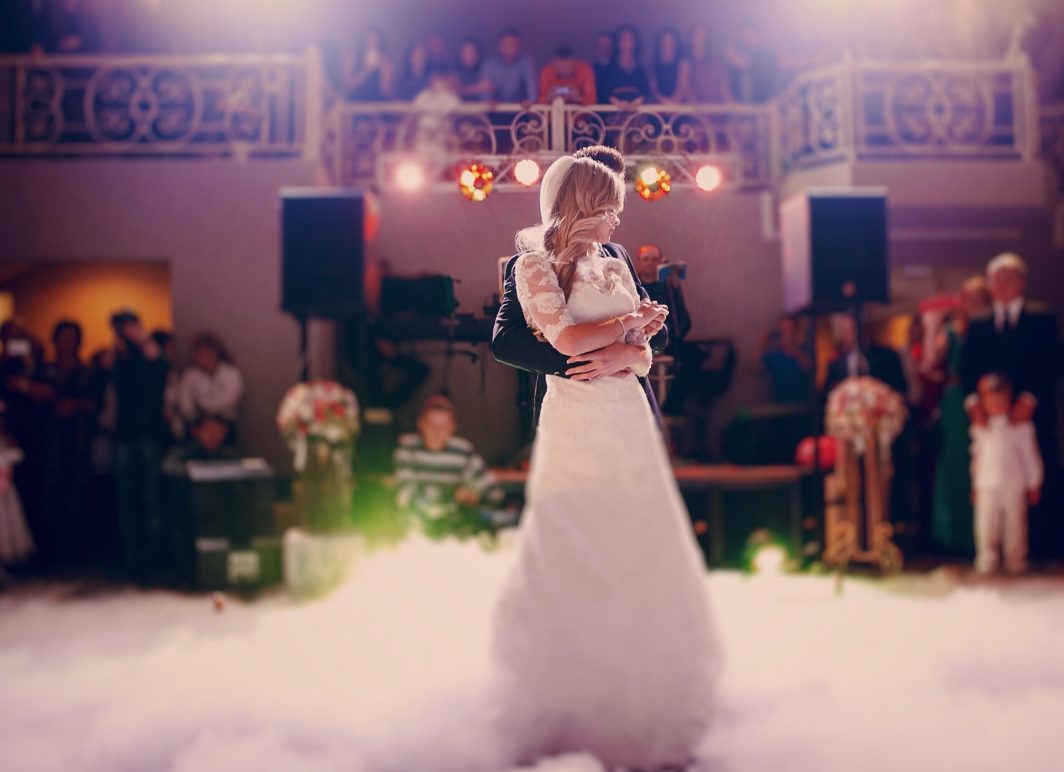
Creating a Memorable First Dance
A live performance can give a familiar song a personal interpretation. Some couples prefer an arrangement close to the original recording, while others request a slower or more intimate version.
Before booking, ask whether the band can perform your chosen song and provide a sample arrangement if needed.
Reading the Dance Floor
An experienced wedding band can observe how guests respond to different songs. If a particular genre encourages dancing, performers may continue with similar selections.
If guests begin leaving the floor, the band can change tempo or style. This responsiveness can be useful when the guest list includes different generations and musical preferences.
Combining Live Music With Recorded Tracks
A live band doesn't have to provide every minute of entertainment. Some couples use recorded music during band breaks or hire a DJ for the later part of the reception. A combined approach can offer musical variety while giving performers scheduled rest periods.
Live Band vs. DJ: Which Is Better for Your Wedding?
Both options can provide excellent wedding entertainment, but they offer different advantages.
|
Wedding consideration |
Live band |
DJ |
|
Musical experience |
Live instrumental and vocal performance |
Recorded original tracks and remixes |
|
Song flexibility |
Depends on the band's repertoire |
Usually offers a wider recorded catalog |
|
Performance adjustments |
Can adapt arrangements and pacing |
Can change tracks and transitions quickly |
|
Space requirements |
Often needs more performance space |
Usually requires less space |
|
Budget considerations |
Costs vary with ensemble size and equipment |
Often less expensive than a full band |
|
Best suited for |
Couples who value live performance |
Couples prioritizing song variety and original recordings |
When a Live Band Makes Sense
A live band may be a strong choice when music is a major part of the celebration. Couples who enjoy concerts, live vocals, and interactive performances may appreciate the atmosphere a band creates. However, larger ensembles typically require more space, setup time, and coordination.
When a DJ May Be More Practical
A DJ may suit couples who want a broad range of songs, specific original recordings, or continuous transitions between different genres.
DJs can also be practical for venues with limited space. The best option depends on your preferences, venue requirements, and entertainment budget.
6. Planning a Memorable Wedding Send-Off
The final moments of a wedding deserve as much consideration as the beginning.
Music can create a natural conclusion and give guests a clear signal that the celebration is ending.
Choosing a Final Song
A familiar singalong, upbeat dance track, or meaningful instrumental piece can work well.
Select something that reflects the atmosphere you want guests to remember.
For a quieter celebration, an acoustic performance may feel more appropriate than a high-energy finale.
Coordinating With Venue Restrictions
Some venues have strict rules regarding amplified music, outdoor performances, and event closing times.
Confirm when music must stop and whether additional performances are permitted outside the main reception space.
If you're considering a musical procession or outdoor send-off, check noise restrictions and venue policies beforehand.
How to Choose the Right Live Wedding Musicians
Selecting professional musicians involves more than finding a group with a strong performance video.
Reliability, communication, and logistical preparation are equally important.
Review Live Performance Experience
Look for recordings from actual events, particularly weddings with a similar atmosphere to yours.
Ask whether the musicians have performed at your venue or in comparable spaces.
Recent reviews can provide useful information about punctuality, professionalism, and communication.
Understand the Full Booking Cost
Live wedding music costs vary according to location, ensemble size, performance duration, travel requirements, and equipment needs.
Before comparing quotations, confirm what each package includes.
Important considerations include sound equipment, setup time, additional song arrangements, breaks, overtime charges, and cancellation terms.
Confirm Backup Arrangements
Ask how the entertainment provider handles musician illness, equipment failure, or unexpected schedule changes.
Professional performers should be able to explain their contingency arrangements clearly.
These details are especially important when live music is planned for the ceremony.
How to Build a Wedding Music Timeline
A clear music timeline helps performers coordinate with the venue, planner, officiant, and other vendors.
Rather than treating each performance separately, map out the entire celebration.
Coordinate Music With Major Events
Your schedule should identify when guests arrive, the ceremony begins, cocktail hour starts, dinner is served, speeches occur, and dancing begins.
Share this information with your musicians early.
If different performers handle the ceremony and reception, clarify who manages equipment transitions and sound checks.
Plan for Breaks and Transitions
Live performers generally need scheduled breaks. Discuss how music will continue during those periods and whether recorded tracks will be available. Confirm who controls playback and announcements. A well-organized transition prevents unnecessary silence or confusion during the reception.
Final Thoughts
Live music can shape the wedding experience from the first guest arrival to the final dance. Its value comes from more than musical performance. Skilled musicians can support emotional moments, adjust to changing schedules, and create an atmosphere that reflects the couple's preferences.
Start by identifying where live music would make the greatest difference. Choose performers whose style matches your celebration, review their logistical requirements, and coordinate a clear timeline.
With thoughtful planning, live wedding music can become an important part of the memories you and your guests take home.
Frequently Asked Questions About Live Wedding Music
How much does live music cost for a wedding?
Costs vary based on location, number of musicians, performance duration, travel, and equipment requirements. A solo performer generally costs less than a full wedding band. Request detailed quotations that explain setup fees, breaks, overtime charges, and any additional services before making comparisons.
Can you have both a live band and a DJ at a wedding?
Yes. Many couples combine live performances with DJ entertainment. A band might perform during the ceremony or main reception, while a DJ handles breaks or late-night dancing. Clear scheduling and sound coordination help both providers work together effectively.
When should you book live wedding musicians?
Booking several months in advance is advisable, particularly for popular wedding dates and experienced performers. Larger bands or highly requested ensembles may need more notice. Confirm availability after securing your venue and wedding date, then finalize performance details as planning progresses.