

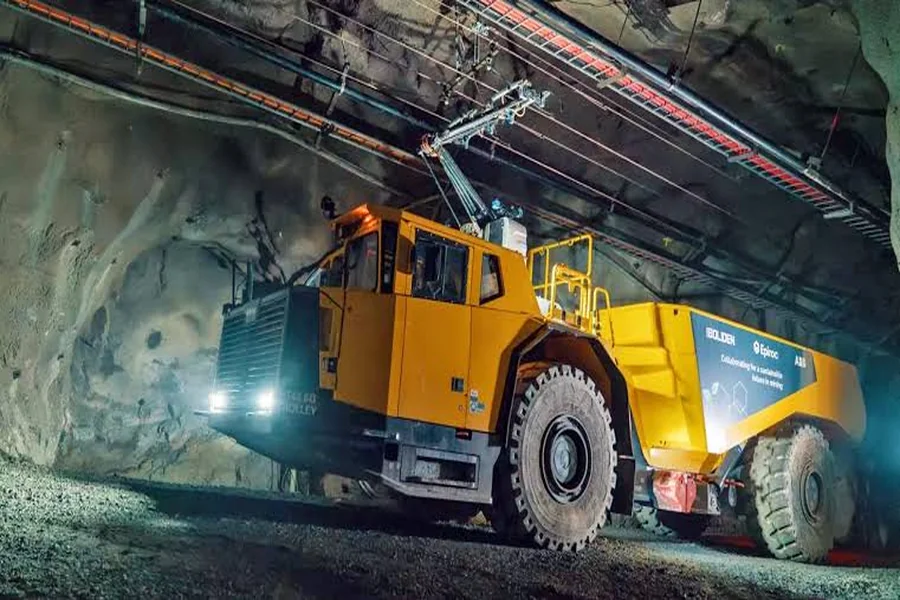
When it comes to selecting appropriate vehicles for subterranean operations, understanding the detailed requirements of underground mining trucks is crucial. These trucks are subjected to a unique set of challenges that differ significantly from their surface counterparts. With the depth and complexity of modern mining operations continuing to grow, the suitability of an underground truck is not simply about whether it can transport material; considerations like payload capacity, ramp gradients, and adequate ventilation play a decisive role in determining their effectiveness and efficiency.
The Importance of Payload Capacity
Payload capacity is a primary consideration in the selection of underground trucks. These vehicles need to haul as much material as possible to ensure the efficiency of mine operations. However, it’s essential to balance the payload with other factors like the size of the tunnel and the truck’s maneuverability. Overloading trucks can lead to increased wear and tear, reduced lifespan, and safety risks. Thus, when assessing trucks, it’s imperative to consider what kind of payload they are designed to carry and assess how it matches the specific needs of your mining operation.
Understanding Ramp Gradients
Ramp gradients are a significant challenge in underground mines, where steep inclines can impact the truck’s performance. The gradient, typically expressed as a percentage, indicates how quickly a ramp rises over a given distance. Trucks must be capable of handling these slopes safely while maintaining efficiency. A truck that can handle steeper gradients will be able to operate more flexibly and with fewer restrictions. Additionally, flatter gradients can improve energy efficiency, reducing operational costs in the long term. Therefore, it’s vital to evaluate the truck’s specifications with the ramp conditions in your mine in mind.
The Critical Role of Ventilation
Ventilation is a key health and safety consideration in underground mining. Poor ventilation can lead to hazardous work conditions due to the accumulation of exhaust gases, dust, and fumes. Trucks that produce lower emissions are therefore preferable as they contribute to safer, more breathable environments, albeit sometimes at the cost of power or payload capabilities. Therefore, mine operators must often assess the trade-off between adequate ventilation and operational efficiency. The choice of trucks with engines that meet stringent emission standards can greatly enhance the safety and comfort of underground mining operations.
Balancing Cost and Efficiency
While payload, ramp gradients, and ventilation are crucial, decisions often boil down to cost and efficiency. High-performance trucks with large payloads or advanced emission systems may come with a greater initial investment, but they often offer reduced operating costs over time. Truck selection should involve life cycle cost analysis, factoring in fuel consumption, maintenance needs, and downtime, against the upfront expenditure. The true value of a truck in underground mining lies in delivering maximum efficiency with minimal cost throughout its operational life.
Future Trends in Underground Truck Design
As mining operations push deeper and become more complex, the demand for innovative underground truck solutions is growing. Manufacturers continue to develop technologies aimed at improving efficiency, safety, and environmental compliance. Electric and hybrid trucks are gaining traction as they promise lower emissions and reduced energy costs. Additionally, the incorporation of automation and remote-control technologies may soon become commonplace, enhancing safety and reducing human exposure to hazardous conditions. Staying informed about these advancements can help mining operations prepare for future challenges and seize new opportunities.
In conclusion, selecting the right underground mining truck requires a comprehensive understanding of payload capacity, ramp gradients, and ventilation demands, balanced with cost and efficiency considerations. By examining both current needs and future trends, mining operations can ensure their investments yield long-term benefits in operational efficiency and safety.









1 thought on “Payload, Ramp Gradients and Ventilation When Choosing Underground Trucks”
Comments are closed.