

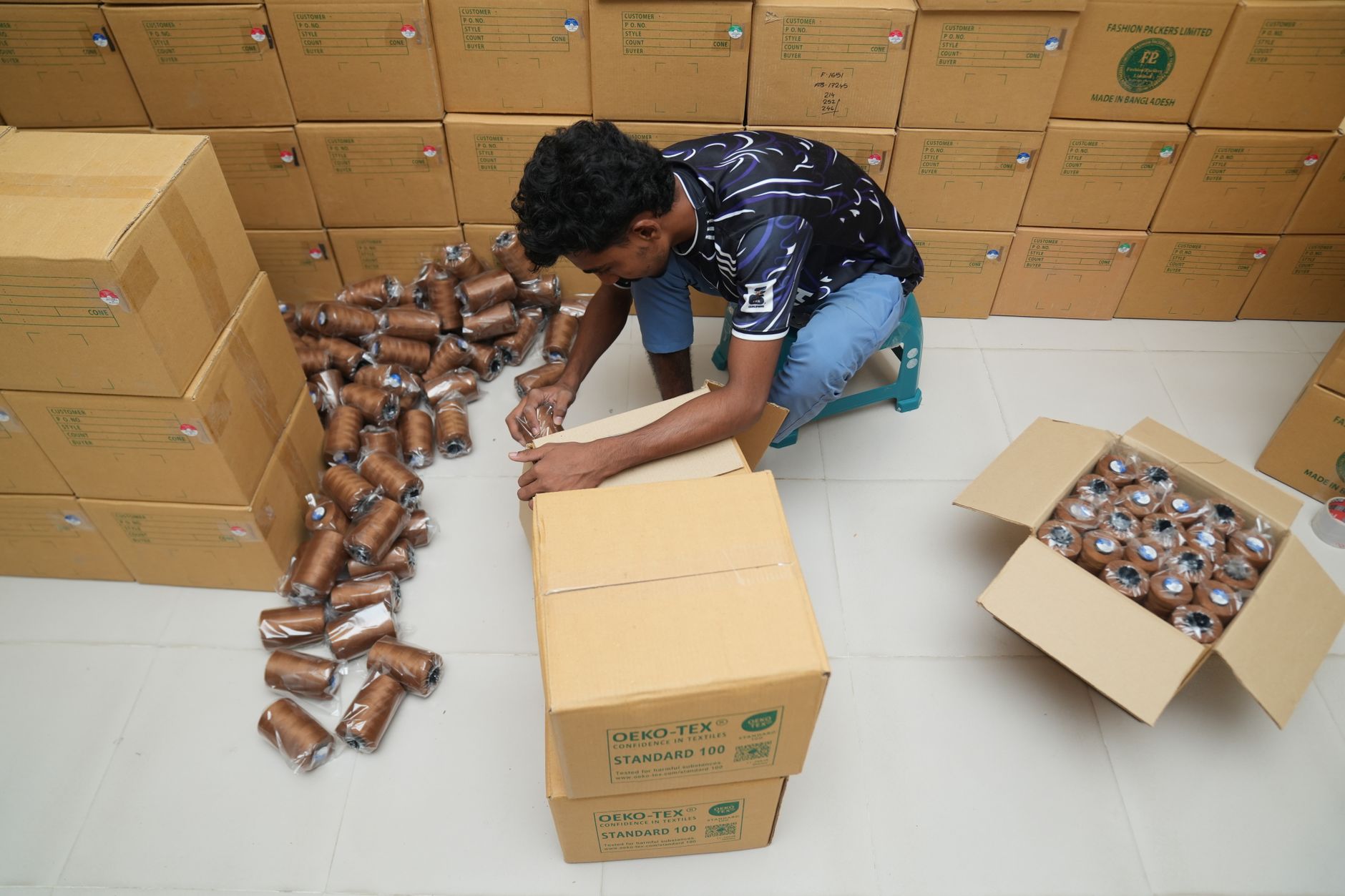
In today's competitive marketplace, businesses need more than excellent products to attract customers and build lasting relationships. From the moment a customer discovers a product to the excitement of receiving an order, every detail contributes to the overall experience. One of the most important details is packaging. Investing in custom quality packaging can help businesses protect their products, strengthen their brand identity, and create a lasting impression on customers.
Whether a company sells fashion accessories, cosmetics, electronics, food products, or lifestyle goods, the right packaging can influence purchasing decisions and encourage repeat business. Understanding its strategic value allows companies to make informed investments that benefit both their customers and their long-term growth.
First Impressions Begin Before the Product
Customers often encounter a product's packaging before they see the product itself. Its appearance, texture, structure, and overall presentation can immediately shape expectations about what is inside. Packaging that looks thoughtful and professionally designed communicates attention to detail, while poorly constructed or unattractive packaging may create doubts about product quality.
Imagine receiving a beautifully presented gift in a sturdy box with carefully arranged contents. The experience feels more special than receiving the same item in a damaged or poorly fitted package. Although the product remains unchanged, its presentation influences how the customer perceives its value.
Businesses can use this opportunity to establish a distinctive identity. Consistent colors, recognizable logos, quality materials, and carefully considered designs help create a professional appearance that customers can associate with the brand. Over time, these details contribute to stronger brand recognition and a more consistent customer experience.
Protect Products and Reduce Unnecessary Costs
One of the most important functions of packaging is protecting products throughout storage, handling, and transportation. Products may encounter pressure, moisture, friction, or accidental impacts as they move through the supply chain. Without appropriate protection, even high-quality merchandise can arrive damaged.
Investing in durable materials and suitable packaging structures helps reduce the likelihood of breakage, scratches, leakage, and other forms of damage. This is particularly important for businesses that depend on shipping products directly to customers or distributing goods across multiple locations.
Damage prevention also has financial benefits. Replacements, refunds, return shipping, and customer service issues can create expenses that gradually affect profitability. Packaging designed around the specific requirements of a product can help businesses avoid some of these costs.
However, quality does not necessarily mean using the heaviest or most expensive materials available. The goal is to find the right balance between protection, presentation, sustainability, and cost. A well-designed package provides sufficient security without adding unnecessary weight or material.
Strengthen Brand Identity Through Packaging
Packaging offers businesses a valuable opportunity to communicate who they are and what they represent. While advertisements and social media campaigns introduce a brand to potential customers, physical packaging reinforces that identity when customers interact with the product.
Consider a skincare company that uses clean typography, subtle colors, and elegant packaging. These choices may communicate simplicity and sophistication. A children's toy brand, by contrast, might use bright colors, playful illustrations, and engaging graphics to appeal to families.
Every design decision can contribute to the overall message. Businesses that want to create a consistent identity should consider packaging an extension of their broader branding strategy rather than an isolated design task.
Companies can explore different materials, dimensions, finishes, and visual elements to create packaging that reflects their brand personality. Working with a suitable packaging provider, such as PackFancy, can help businesses explore options that align with their products, presentation goals, and customer expectations.
Rather than relying on generic packaging that looks similar to competitors' offerings, companies can develop distinctive designs that make their products more recognizable. The result is a more consistent brand presence across retail shelves, e-commerce deliveries, and promotional campaigns.
Improve the Customer Experience
Customer experience extends beyond the moment someone clicks the purchase button. It also includes delivery, product presentation, opening the package, and discovering the item inside. Each stage provides an opportunity to strengthen the relationship between a business and its customers.
Thoughtful packaging can make this experience smoother and more enjoyable. Easy-to-open designs, secure product placement, clear instructions, and organized contents help customers interact with their purchases without unnecessary frustration.
For e-commerce businesses, packaging is particularly important because customers cannot physically examine products before ordering. The delivery experience becomes one of the first tangible interactions they have with the company.
A carefully prepared package can make an ordinary purchase feel more personal. Small details, such as a neatly arranged product, a simple thank-you message, or protective inserts, can demonstrate care without requiring an extravagant budget.
When customers feel that a business has considered their experience, they may be more inclined to share positive feedback, recommend the brand, or purchase from it again.
Make Your Products Stand Out in a Competitive Market
Many industries offer products with similar features, prices, and functionality. In these situations, presentation can become an important point of differentiation.
Packaging that communicates a clear identity helps products attract attention on retail shelves, in online product photography, and across social media platforms. Distinctive shapes, coordinated colors, thoughtful graphics, and practical designs can make a product easier to recognize.
This does not mean every business needs elaborate packaging. Sometimes, a simple and consistent design is more effective than an overly complicated one. The most successful approach depends on the product, audience, market positioning, and purchasing environment.
For premium products, refined materials and precise finishing may reinforce a sense of exclusivity. For everyday consumer goods, convenience, durability, and clear product information may matter more.
The key is to understand what customers value and design packaging that communicates those benefits effectively.
Support Sustainability Without Sacrificing Quality
Environmental considerations are becoming an increasingly important part of business decisions. Many companies are reviewing their packaging choices to reduce unnecessary waste, improve material efficiency, and respond to customer expectations.
Sustainable packaging does not have to compromise product protection or visual appeal. Businesses can explore recyclable materials, responsibly sourced paper, reusable containers, and designs that minimize excess packaging. The most suitable choice depends on the product's requirements, local recycling infrastructure, and the materials available.
Reducing unnecessary layers and selecting appropriately sized packages can also help lower material consumption. Smaller, lighter shipments may improve transportation efficiency, although the overall environmental impact depends on several factors, including manufacturing and end-of-life disposal.
Businesses should avoid making environmental claims they cannot substantiate. Clear, accurate information about materials and disposal helps customers understand what makes a packaging solution more responsible.
By considering sustainability alongside durability and design, companies can make packaging decisions that support both business objectives and environmental priorities.
Increase Perceived Value and Encourage Repeat Purchases
Customers do not evaluate products solely by their functional benefits. Presentation, convenience, perceived reliability, and the overall purchasing experience can influence how much value they associate with an item.
Well-designed packaging can reinforce the impression that a product has been carefully developed and professionally presented. This can be particularly useful for gifts, beauty products, premium accessories, and products purchased for special occasions.
Packaging also contributes to the unboxing experience, which has become an important element of online shopping culture. Customers sometimes photograph or share attractive deliveries on social media, giving businesses an opportunity to gain additional exposure through customer-generated content.
Of course, attractive packaging cannot compensate for a poor product or disappointing service. However, when the product meets expectations, thoughtful presentation can strengthen the overall experience and give customers another reason to remember the brand.
A positive experience may encourage repeat purchases and recommendations, helping businesses develop stronger customer relationships over time.
Choose Packaging That Delivers Long-Term Value
Selecting the right packaging requires a clear understanding of business goals, product characteristics, customer expectations, and operational limitations. Companies should evaluate several factors before committing to a particular solution.
First, consider the level of protection required during storage and transportation. Next, assess material quality, dimensions, design flexibility, and the ease of handling. Businesses should also compare unit costs, minimum order quantities, storage requirements, and shipping expenses to understand the complete financial impact.
Testing packaging before placing a large order can also be valuable. Sample reviews, transit testing, and customer feedback can reveal issues that may not be obvious during the design stage. This approach helps businesses make informed decisions and reduce the risk of costly adjustments later.
Conclusion
Quality packaging is much more than a protective covering. It influences first impressions, strengthens brand identity, improves customer experience, supports product safety, and can contribute to long-term customer loyalty.
For businesses operating in competitive markets, these benefits make packaging an important part of the overall growth strategy. The most effective solution combines attractive design with practical protection, appropriate material choices, and sensible cost management.
Rather than viewing packaging as an expense to minimize at every opportunity, businesses should consider the value it creates throughout the customer journey. By investing thoughtfully in packaging that reflects their products and brand promises, companies can build stronger relationships with customers and create a more memorable presence in the marketplace.







2 thoughts on “Why Invest in Quality Packaging? The Strategic Value for Your Business”
Comments are closed.