

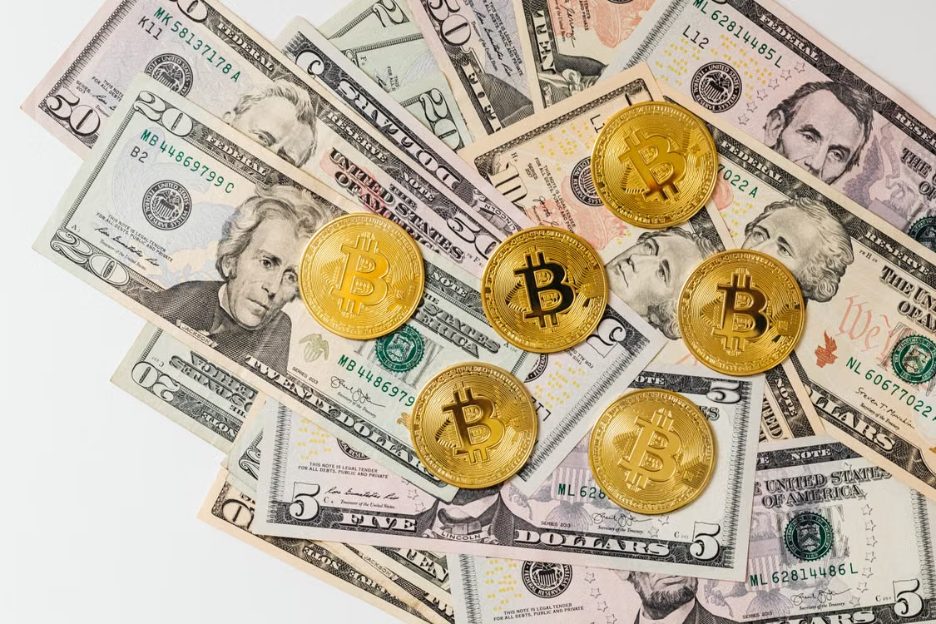
A sudden car repair, a high utility bill, or another emergency bill can leave you in need of extra cash. Selling some of your Bitcoins to finance these expenses is not the best idea if you are a long-term holder.
An alternative is a loan backed by Bitcoin. Your Bitcoin can be used as collateral to get access to cash without selling it directly. However, you still need to repay the loan, and changes in Bitcoin’s value could put your collateral at risk.
Depending on the provider, the amount you are allowed to borrow, the eligibility rules, and the terms of repayment may all vary. These details may assist you in making a decision as to whether this option fits your financial requirements. This guide shows how to compare providers, evaluate your collateral, review loan terms, and how you can repay.
1. Compare Bitcoin-Backed Loan Providers
Start by looking for providers that offer crypto-backed loans in your location. Compare their eligibility requirements, security measures, collateral policies, and repayment terms to understand which options may suit your needs.
Be aware of how your Bitcoin is being handled by each provider. Inquire about the location of your coins, the ability of the provider to sell your collateral, and the resolution in case of a missed payment. This information may influence the safety of your property during the loan tenure.
Familiarize yourself with the loan terms before you borrow cash against Bitcoin. Caution should be taken against providers who assure guaranteed approval or that using your Bitcoin as collateral is risk-free.
2. Determine How Much Bitcoin to Use as Collateral
When you have picked your possible providers, determine how much money you need and how much Bitcoin you can comfortably commit. You do not necessarily need to use all your holdings.
Take into account the amount of Bitcoin you would prefer to keep outside the loan settlement and your ability to cover the repayments. Enquire with every provider on how they compute the loan. Your collateral’s current value and the permitted loan-to-value (LTV) ratio affect how much you can borrow.
For instance, a 50% LTV implies that the loan is half the value of the Bitcoin pledged. Because Bitcoin prices are volatile, it is best to avoid borrowing the maximum just because it is there. Make sure you can repay the debt using reliable income or savings rather than depending on Bitcoin’s price rising.
3. Check the Loan Terms and Repayment Costs
Before accepting an offer, read the complete loan agreement. Check the interest rate, applicable fees, repayment schedule, and loan term. Make sure you understand the total amount due and when payments must be made.
Pay particular attention to the rules for missed payments and changes in Bitcoin’s value. Depending on the agreement, the provider may be able to request additional collateral or sell your pledged coins under certain conditions. Understand these rules before committing your assets.
Also, confirm how you will receive the borrowed funds. Check whether the provider pays in your local currency or another digital asset, and ask how your Bitcoin will be returned after you settle the loan. These details are important when comparing Bitcoin backed loans because the terms and collateral arrangements can differ between providers.
4. Complete Verification and Transfer Your Bitcoin
After choosing a provider, complete its application and any required identity checks. Use the official website and review how your personal information will be handled. Never share your wallet recovery phrase or private keys with someone claiming to help with your application.
Follow the transfer instructions carefully. Confirm the wallet address through the provider’s official process and check that the network details are correct. Cryptocurrency transactions sent to the wrong address may be difficult or impossible to reverse.
Keep copies of the loan agreement, transfer records, repayment schedule, and relevant communications. These documents help you track your obligations throughout the loan term.
5. Make Repayments to Reclaim Your Bitcoin
Once the loan is active, follow the agreed repayment schedule. Set reminders for payment dates and keep enough money available to meet each obligation. Avoid taking on a loan that you can repay only if Bitcoin’s price rises.
Monitor your collateral’s value if the agreement includes LTV limits or other price-based conditions. If Bitcoin’s value drops, contact the provider through its official support channel to understand your options and any deadlines.
After repaying the loan, confirm that the provider has released your Bitcoin according to the agreement. Check the returned amount and transaction details before considering the matter settled.
Risks to Consider Before Applying
Using Bitcoin as collateral gives you access to cash without selling your coins upfront, but you could still lose them. Consider these key risks before applying:
- Price Volatility: If Bitcoin’s value falls, the provider may require additional collateral or sell your pledged assets, depending on the loan agreement.
- Repayment Difficulties: Missing payments or failing to meet other loan conditions could put your collateral at risk.
- Custody and Security: Check how the provider stores your Bitcoin and whether it can lend, transfer, or use your assets for other purposes. Understanding how crypto assets are held and protected can help you assess these risks.
- Loan Costs: Interest and other fees increase the total amount you need to repay, so review all costs before agreeing to the loan.
If you cannot afford the repayments or understand the risks, do not use your Bitcoin as collateral. Consider other ways to cover the expense.
Bottom Line
A Bitcoin-backed loan can provide cash while allowing you to keep your coins initially. However, you take on debt, and your collateral could be at risk if its value falls or you fail to meet the loan terms.
Before applying, compare providers, decide how much you can afford to pledge, and review the full agreement. Make sure you can manage repayments without relying on future price gains. If the payments would strain your finances or the collateral rules are unclear, consider other options.






1 thought on “How To Borrow Cash Against Bitcoin and Keep Your Position”
Comments are closed.