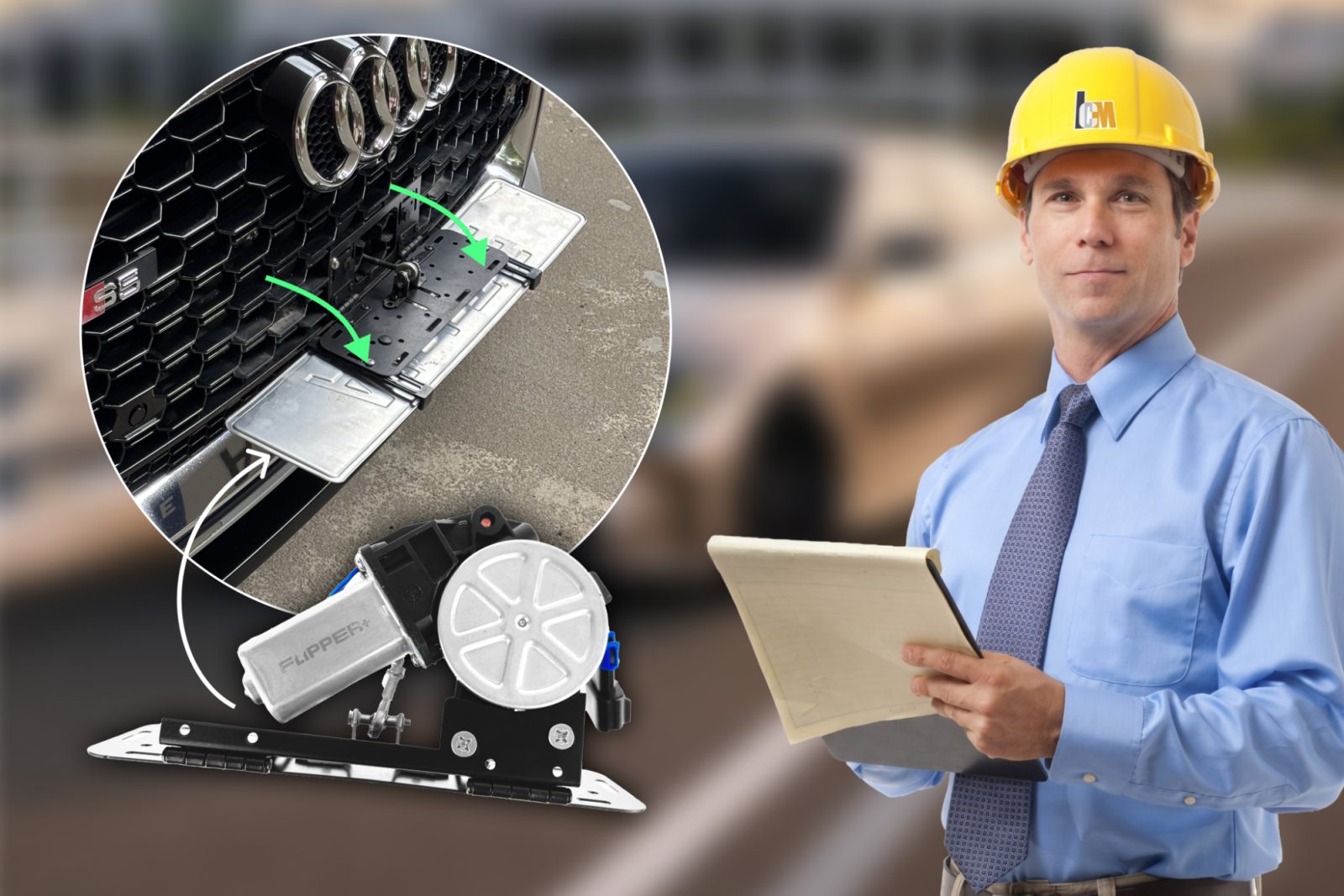
Small moving components often look simple from the outside. A hinge turns, a latch clicks, or a miniature motor shifts a panel into place. Behind that brief movement, however, engineers must balance strength, precision, durability, and limited installation space.
Automotive accessories demonstrate these challenges particularly well. A license plate frame flipper from Alite is an example of a compact hinged mechanism whose movement depends on careful design. Registration plates must remain visible and correctly displayed under applicable road laws; some jurisdictions prohibit flipping devices altogether.
Making Every Millimeter Count
Space is one of the first constraints engineers encounter. A mechanism needs room not only for its housing but also for the complete path followed by its moving parts.
A hinge positioned slightly off center can change the clearance required during rotation. Nearby body panels, wiring, and fasteners can further restrict movement. Designers therefore test both the resting position and every intermediate position.
Compactness is useful only when it does not create interference or make maintenance impractical.
Choosing Materials That Last
Moving assemblies experience repeated loads concentrated around joints. Material selection affects whether these connections remain stable after hundreds or thousands of cycles.
Metals can provide stiffness, while engineered polymers may reduce weight and friction in suitable applications. Neither option is universally superior. Engineers must account for expected forces, moisture exposure, temperature changes, and corrosion risks.
Surface finishes and protective seals also influence service life, especially on exterior vehicle accessories.
Controlling Motion Reliably
A successful mechanism should move predictably and stop in the intended position. Depending on the design, it may use springs, manual linkages, gears, or electric actuators.
Several details require particular attention:
- Hinge alignment: Prevents binding and uneven movement.
- Fastener security: Helps joints resist loosening under vibration.
- Travel limits: Keep components from moving beyond their intended range.
- Electrical protection: Reduces risks associated with exposed connections.
- Service access: Allows inspection without unnecessary disassembly.
These considerations matter because a small fault can affect the entire assembly. A loose screw may seem insignificant until it changes alignment or prevents a latch from engaging.
Testing Beyond the Workshop
Bench testing provides useful measurements, but real vehicles encounter harsher conditions. Road vibration, dust, rain, freezing temperatures, and repeated handling can reveal weaknesses that controlled demonstrations miss.
Engineers may evaluate cycle life, resistance to contamination, and performance after temperature changes. They also need to consider what happens when a motor loses power or a moving part becomes obstructed.
Predictable failure behavior is especially important when an accessory is installed near safety related equipment.
Why Simplicity Still Matters
Adding movement can improve access, save space, or create a distinctive visual effect. Yet each extra joint or actuator introduces potential maintenance requirements.
The strongest designs justify that complexity through a practical benefit. They are straightforward to operate, inspect, and repair, while respecting vehicle compatibility and legal restrictions.
Small moving components demonstrate that engineering quality is rarely measured by size alone. It is measured by how consistently a mechanism performs its intended function throughout everyday use.