

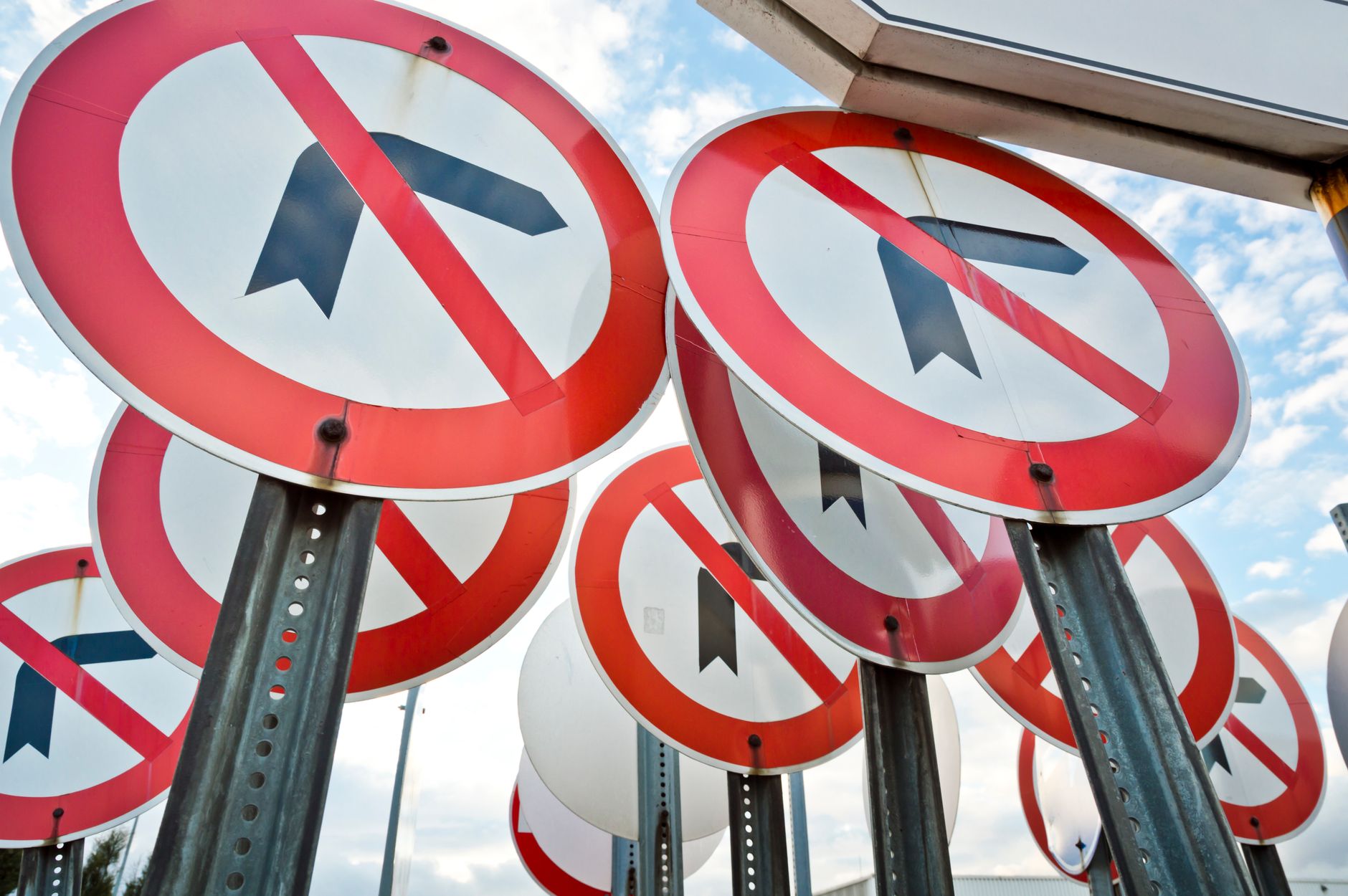
A right-of-way accident can leave drivers facing injuries, vehicle damage, medical bills, and questions about who caused the collision. Before discussing fault with an insurance company, it helps to understand your rights and gather the available evidence. Seeking right-of-way accident guidance can help you make informed decisions, protect important records, and avoid statements that may affect your claim. Knowing how right-of-way rules work is an important first step toward handling an accident with care.
How Right-of-Way Rules Affect Accident Claims
Right-of-way rules explain when drivers must allow other road users to proceed first. These rules commonly apply at intersections, stop signs, traffic signals, and places where vehicles enter or leave a roadway. They also cover situations involving pedestrians and cyclists.
A right-of-way accident may happen when a driver fails to yield, turns across approaching traffic, enters an intersection without checking for other vehicles, or ignores a traffic signal. However, the circumstances matter. A driver who appears to have the right-of-way may still share responsibility if their actions contributed to the collision.
Traffic laws also vary by jurisdiction. The National Highway Traffic Safety Administration’s right-of-way guidance explains basic intersection rules and the importance of yielding when necessary. Understanding these principles can help people recognize possible safety violations, although the applicable local law determines how fault is assessed.
Why You Should Avoid Admitting Fault Too Soon
After a right-of-way accident, an insurance adjuster may contact you to ask what happened. The adjuster may request a recorded statement, ask about your movements before the crash, or inquire whether you noticed the other vehicle.
It is reasonable to provide basic information, but avoid guessing about details you cannot remember. You may not know how fast the other driver was traveling, when they entered the intersection, or whether a traffic signal had changed.
Even a simple apology can be misunderstood when taken out of context. You can express concern for anyone involved without accepting legal responsibility before the facts are clear.
Before giving a detailed statement about a right-of-way accident, consider reviewing the available evidence and understanding your policy obligations. You should answer questions truthfully, avoid speculation, and ask for clarification if a question is unclear.
If the collision caused serious injuries or the insurance company disputes responsibility, legal advice may help you understand the risks of making statements before the investigation is complete.
Evidence That Can Help Establish Fault
Evidence can help explain how a right-of-way accident occurred. Instead of relying only on each driver’s account, investigators and insurers may review several sources to determine what happened.
Useful evidence may include:
- Photographs and videos: Images of vehicle damage, road markings, traffic signs, signal lights, and the surrounding area may help explain the collision.
- Witness accounts: People who saw the accident may provide information about vehicle movements, signals, and which driver entered the intersection first.
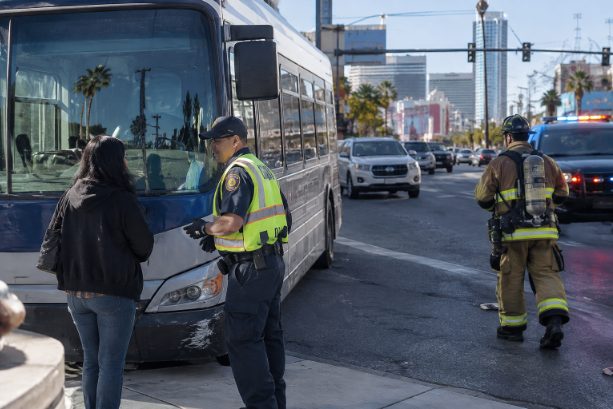
- Police reports: An available report may document the scene, statements, road conditions, and any citations issued.
- Medical records: Treatment records can connect reported injuries with the accident and document the care received.
- Dashcam or surveillance footage: Video may show whether a driver stopped, yielded, turned, or entered the intersection against a signal.
After a right-of-way accident, preserve original photographs, videos, messages, and other relevant records. Keep copies of repair estimates, medical bills, and correspondence with insurers.
Write down your recollection of the event while the details remain fresh. Include the direction each vehicle was traveling, the traffic controls you remember, and what happened immediately before impact. Clearly distinguish what you personally observed from what someone else told you.
Common Right-of-Way Accident Scenarios
Different situations can lead to disputes about fault. Understanding the circumstances can help identify which facts need closer review.
Collisions at Stop Signs
A driver may fail to stop completely or enter an intersection before it is safe. In a right-of-way accident involving stop signs, investigators may examine which vehicle arrived first, whether each driver stopped, and whether either driver had a clear view of approaching traffic.
Left-Turn Collisions
Drivers turning left often need to yield to approaching traffic, depending on the signal and applicable law. A collision may occur when a turning driver misjudges the distance or speed of an oncoming vehicle. Evidence about the turning movement and traffic signal can be important.
Accidents Involving Pedestrians
Drivers may need to yield to pedestrians in designated crossings or other situations required by law. A right-of-way accident involving a pedestrian requires careful review of crossing locations, signals, visibility, vehicle speed, and the movements of everyone involved.
Collisions During Lane Changes
Some crashes happen when a driver moves into an occupied lane without checking whether it is safe. Although these cases may not involve a traditional intersection, they can raise questions about yielding, signaling, blind spots, and reasonable driving conduct.
Each right-of-way accident must be evaluated according to its specific facts. No single detail automatically establishes fault in every case.
How Insurance Companies Evaluate Responsibility
Insurance companies typically review available evidence, applicable traffic laws, policy terms, and statements from the people involved. Depending on the circumstances, they may also consider vehicle damage, photographs, witness accounts, and expert findings.
An insurer may argue that another driver had the right-of-way or that your actions contributed to the collision. You do not have to accept an initial explanation without reviewing the information supporting it.
Comparative fault rules may affect compensation when more than one person contributed to a right-of-way accident. The effect depends on the governing law. Some jurisdictions reduce compensation according to a person’s share of responsibility, while others apply different restrictions.
Read settlement offers carefully before accepting them. A settlement may require you to release certain claims, including claims for losses that have not yet become clear. If you have significant injuries or ongoing treatment needs, consider obtaining legal advice before agreeing to final terms.
Keep a record of calls, emails, claim numbers, requests for documents, and decisions made by the insurer. Organized records can help you identify unanswered questions and respond consistently throughout the claims process.
Steps to Take Before Discussing Fault
Taking a few practical steps after a right-of-way accident can help protect your health and preserve information needed for a claim.
First, seek medical attention if you are injured or develop symptoms after the collision. Some injuries may not be obvious immediately. Follow medical advice and keep records of your treatment.
Next, report the accident as required by applicable law and your insurance policy. Provide accurate information, but do not invent details or make assumptions about who caused the crash.
Preserve available evidence and avoid deleting photographs, messages, or video recordings. If witnesses provided contact information, keep it with your accident records.
Finally, review requests from the insurance company before responding. Understand what documents are being requested, keep copies of anything submitted, and avoid signing documents you do not understand. If the claim involves disputed fault, serious injuries, or a substantial financial loss, consider consulting a qualified attorney.
Frequently Asked Questions
Should I speak with an insurer before fault is determined?
You may need to report the accident promptly under your policy or applicable law. You can provide accurate basic facts while avoiding guesses or unsupported conclusions about fault. Review your obligations and seek legal advice when needed.
What if both drivers claim they had the right-of-way?
Investigators may compare witness statements, photographs, traffic signals, vehicle damage, video footage, and other evidence. The final assessment depends on the facts and applicable law.
Can I still recover compensation if I share some fault?
Possibly. The rules governing shared responsibility differ by jurisdiction. A qualified attorney can explain how those rules may affect your particular claim.
Why seek legal advice after a right-of-way accident?
Legal guidance can help you understand relevant traffic laws, preserve evidence, assess disputed liability, and evaluate settlement offers. It can also help you understand deadlines and the potential effect of statements made to insurers.
Make Informed Decisions After a Right-of-Way Accident
An accident involving right-of-way disputes can create uncertainty at a time when you need to focus on recovery. Gathering evidence, keeping accurate records, understanding insurance obligations, and avoiding unsupported statements can help you approach the claims process with greater confidence.
Before accepting an insurer’s account of a right-of-way accident, consider whether the available evidence supports that conclusion. When fault is disputed or injuries are serious, obtaining qualified legal guidance can help you understand your options and decide how to proceed.







1 thought on “Seeking Right-of-Way Accident Guidance Before Discussing Fault With Insurers”
Comments are closed.