

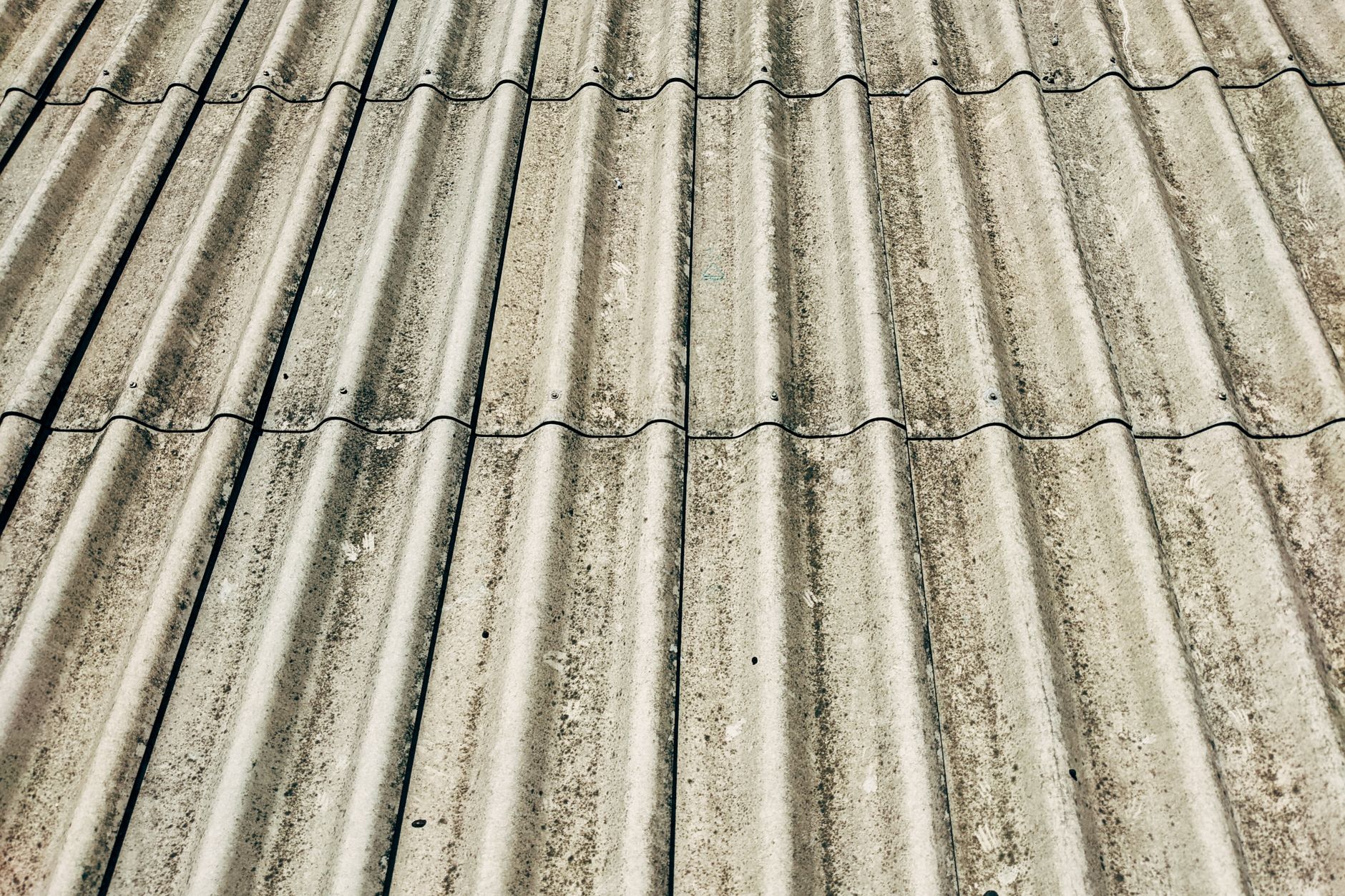
That twenty thousand dollar roof quote on your kitchen counter is probably one of the biggest numbers you’ll see all year, and the guy who handed it to you looked at your shingles for maybe nine minutes. Here’s the uncomfortable question nobody asks in that moment: did your roof actually fail, or did it just dry out?
Those are two very different problems, and they carry two very different price tags. The good news is you can learn to tell them apart in an afternoon, from the ground, with a pair of binoculars and a hose.
If your shingles have gone brittle and gray but aren’t missing or torn, there’s a whole middle path between “do nothing” and “write the big check.” In Northeast Ohio, a lot of homeowners in your spot end up looking into shingle rejuvenation in Mentor before they sign anything, because it treats the wear rather than the whole assembly. So let’s figure out which problem you actually have.
What Your Roof Is Actually Doing Up There
Asphalt shingles are a sandwich. You’ve got a fiberglass mat in the middle, coated in asphalt, then buried under granules. The asphalt is the part that flexes. The granules are the part that blocks sunlight and takes the beating from hail and grit.
Here’s the thing people miss. Asphalt is a petroleum product, and petroleum products lose their light oils as they age. Sun, heat cycles, and freeze-thaw all pull those oils out. Once the asphalt stiffens, the shingles stop flexing with the deck, and that’s when the granules start letting go and the cracks show up.
So a roof that looks “old” at year twelve might still have a perfectly sound deck, a dry attic, and shingles that just need their flexibility back. Meanwhile, a roof at year eight with a leaking flashing detail is already failing. Age is a terrible proxy for condition. I’d take a ten-year-old roof with soft shingles and clean attic over a six-year-old roof with a mystery water stain any day.
Three Questions That Settle the Replacement Question
Before any company puts a number in front of you, you should be able to answer these yourself.
- Is water getting in? Brown rings on the attic rafters, daylight between the boards, or shingles in the gutter after a big blow all point to an active leak. That’s a repair job, not a coating job.
- Is the deck soft? Walk the roof edge if you can reach it safely, or press from inside the attic. Spongy plywood means rot, and no surface treatment fixes rot.
- Are the shingles still flexible? Step carefully on a warm shingle near the edge, or bend one that’s already loose by hand. If it cleanly snaps, the asphalt is spent.
If you answered no, no, and “oh yeah, it snaps,” you’re the exact homeowner this article is for. If those answers flip, start getting real replacement quotes and stop reading.
The Shingle Clock
Here’s a framework I use to think about roof spending, and it’s not something you’ll find in a brochure. I call it the Shingle Clock.
Picture two clocks on the wall. The first is chronological age: how many summers and winters the roof has seen. The second is chemical age: how much of the asphalt’s oil content is gone. They run at different speeds. A roof on a shaded north-facing slope in a well-vented attic might hit year fifteen with a chemical age of nine. A roof facing full west sun over a poorly vented attic might hit chemical age fifteen by year eight.
Replacement is the right call when both clocks are near the end of their run. Rejuvenation makes sense when the chemical clock is racing ahead of the chronological one, because you’re buying back time on the oil side while the structure underneath is still solid. The trick is knowing which clock you’re reading.
Where Ventilation Quietly Wrecks Your Roof
I want to tell you about a house I walked through two summers ago. The roof was eleven years old. West-facing, full sun, no ridge vent, and the attic had been finished over by a previous owner with foam board stapled to the rafters. Half the shingles were cupped at the edges. There was no leak yet, not one.
The homeowner assumed they needed a whole new roof. What they actually had was a heat trap. Once the attic vented properly and the shingles got a rejuvenation treatment, that roof kept going. Not forever, but it bought enough years to be worth the money.
That’s the part most quotes miss entirely. A roof can’t hold oil while it’s being cooked from beneath. If your attic hits broiling temperatures every afternoon, it’s worth checking with the home energy guidance at ENERGY STAR about insulation and venting before you spend a dime on the roof surface. Fix the oven and the shingles stop baking.
What Rejuvenation Can and Can’t Do
Let’s be straight about the limits, because a lot of marketing isn’t.
It can restore flexibility to asphalt that’s dried out. It can improve how well granules stay put. It can slow the process that turns a stiff shingle into a cracked one. It’s a surface treatment, applied as a penetrating oil that soaks into the shingle rather than sitting on top as a film.
What it can’t do is grow back missing granules, seal a nail pop, fix bad flashing, or repair a compromised deck. It’s not a waterproof coating you paint on and forget. Anyone selling it that way is selling you something else.
My take: treat it as maintenance with a strong return on investment, not a magic trick. And be honest with yourself about what you’re buying, which is time.
The Repair-or-Replace Decision, In Order
Work through this list exactly as written. The sequence matters more than any single answer.
- Stop the water first. If anything’s actively leaking, fix that before you consider anything else. A surface treatment on a leaking roof is money in the gutter.
- Assess the deck. Have someone walk the whole thing, not just look at it from the driveway.
- Check ventilation and attic moisture. Standing moisture under the roof is a red flag that surface work won’t fix.
- Judge shingle flexibility. This is the single best indicator of whether rejuvenation makes sense.
- Compare dollars against years gained. Ask plainly how many years the treatment is expected to buy, and get it in writing.
- Set a review point. Pick a month to look at the roof again and compare it against photos you took before treatment.
What You’ll See in the Mirror
Shingles shed their granules all the time, and those granules land somewhere. Some of the runoff ends up in gutters and storm drains, so if you’re curious where that material actually goes, the U.S. Army Corps of Engineers maintains stormwater resources worth a look at Army Corps. Not glamorous. Genuinely useful if you care about the drain outside your house.
When you’re evaluating bids, ask for a maintenance history, not just a price. A roofer who’ll show you before-and-after photos from a similar age and pitch is worth more than one who’ll knock a few hundred bucks off the number.
Timing It Right
Weather matters more than most people expect. Rejuvenation works best when temperatures are moderate and the surface isn’t scorched, so late spring and early fall tend to be the friendlier windows. Summer application is doable but you may get faster evaporation and less penetration.
If you’re planning a sale, don’t wait until the inspection report lands. Getting your roof evaluated now gives you a documented condition baseline. When buyers ask, you’ll have an answer with photos, not a shrug. The Census Bureau tracks the housing market broadly through its Census Bureau data, but the only number that matters to you is what a local buyer’s inspector sees.
Bottom Line
Your roof probably isn’t as dead as that quote suggested. Check for leaks, check the deck, then check whether the shingles still flex. That triple check tells you more than any sales pitch, and it costs you an afternoon at most.
Pull your binoculars out this weekend and look at the west slope. If the shingles are gray and tired but still bend, you’ve got options that don’t involve a dumpster in the driveway. Start there before you sign anything.







2 thoughts on “Extend Your Roof’s Life Without a Full Replacement”
Comments are closed.