The Tank in the Corner That Only Works Half the Time
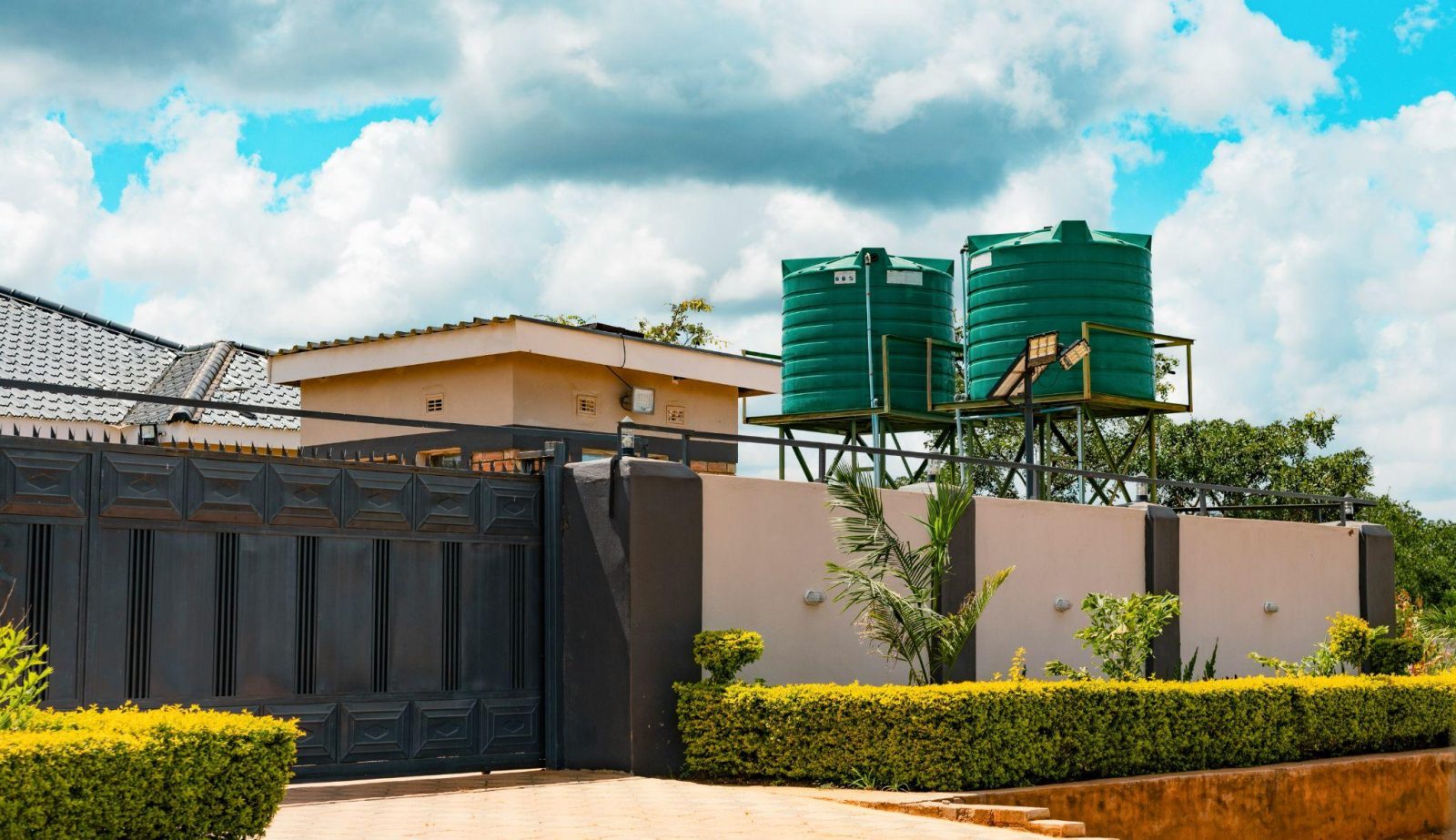
Many households have a rainwater tank standing beside the house, and many of those tanks do far less than their owners hoped. The reason is usually gravity. Water leaves a tank only as fast as it can fall, so a tap near the base fills a bucket well enough and a hose reaches the nearest garden bed at little more than a trickle.
That is fine for filling a watering can, and it explains why plenty of tanks end up used only occasionally. The water is sitting there, free and clean from the roof, while the toilets, the laundry and most of the garden carry on drawing from the mains. A pump is the piece of equipment that changes that, and understanding what it does is the first step toward getting real value from the tank.
What a Pump Lets Rainwater Do
A pump gives stored rainwater the pressure it needs to travel. Once the water has pressure, it can reach places that gravity alone never could, such as a toilet cistern, a washing machine or an irrigation line at the far end of the garden. Rules differ between states and councils on what rainwater can be used for and what safeguards are required, so it is worth checking locally before connecting anything beyond the garden. Drinking is a separate matter that calls for proper treatment and advice.
The benefits add up across a year. Toilets and laundry together use a large share of a typical household’s water, and none of it needs to be drinking quality. Supplying that share from the roof cuts the demand on the mains, lowers the bill and eases the pressure on local supply during dry spells. A tank with a pump also gives a household a reserve to draw on when restrictions bite.
Habits change too. People who can run a sprinkler from tank water without guilt tend to water more thoughtfully, and many start to notice how much rain their roof catches in a single storm. The tank stops being a decoration and becomes part of how the house works.
Choosing a Pump That Fits the Household
Not every pump suits every tank, and the choice depends on how the water will be used. Start with flow and pressure. A household that wants to run a toilet and a sprinkler at the same time needs more capability than one that only fills a washing machine. Think about distance and height as well. The further the water has to travel, and the higher it has to climb, the more the pump has to do.
Noise and energy use deserve attention. A pump sits close to living areas in many homes, and a model that hums all evening quickly becomes irritating. Efficient models use less power for the same output, which matters for a system that is meant to save resources and not simply swap one cost for another.
The most reliable way to match all of this is a site assessment. A proper pump installation begins with a look at the tank’s capacity, the pressure the household actually needs and the conditions the pump will work in, so the equipment is chosen for the home instead of guessed. Providers who supply pumps for residential water systems and irrigation, and who size the pump after assessing the site, tend to produce systems that run quietly and last. Ask what the assessment covers, how the pump was selected and what ongoing maintenance is available afterwards.
The Details That Decide How Well It Works
Small details determine whether a rainwater system is a pleasure or a nuisance. Placement comes first. A pump does best in a shaded, ventilated, dry spot close to the tank, on a level base and protected from the weather. Direct sun, poor airflow and damp corners shorten its life and make it run hotter and louder.
Filtration protects both the pump and the household. Leaf guards on the gutters, a first-flush device that diverts the dirtiest water from the start of a rainfall and a filter before the pump keep debris out of the system. A pump that sucks up leaves and grit wears quickly and clogs often.
The question of what happens when the tank runs low needs an answer. Many systems switch automatically to mains water so the toilets keep working in a dry spell, and that connection must be made correctly to prevent rainwater flowing back into the mains. Rules apply here, and licensed trades should handle the plumbing and the wiring. Check with your council or water authority before starting, and ask your plumber about backflow prevention and any approvals required.
Think through the electrics too. A pump needs a safe, properly protected power supply, and outdoor connections near water call for a qualified electrician. Neat work now saves trouble later.
Looking After the System So It Lasts
A rainwater system rewards a little attention. Learn what it sounds like when everything is normal, and notice when that changes. A pump that starts clicking on and off, runs longer than usual or makes a new noise is asking for a look. Weak pressure from taps that used to run strongly is another early sign.
Clean the filters regularly, since blocked ones are the commonest cause of poor performance. Keep gutters clear, check the leaf guards after storms and look at the tank’s inlet and outlet screens. A clean roof and clean gutters mean clean water, and less work for the pump.
If the pump stops completely, check the basics first: whether the power is on, whether the tank holds water and whether a filter is blocked. If none of those is the cause, call a professional rather than opening the pump yourself. Providers who offer scheduled maintenance and an emergency response for breakdowns can usually get a system running again quickly, and a regular check, even once a year, catches worn parts before they fail.
Looked after properly, a pump and tank together can supply a household for many years. The water that once sat unused in the corner of the garden becomes part of daily life, and the roof starts to earn its keep.