

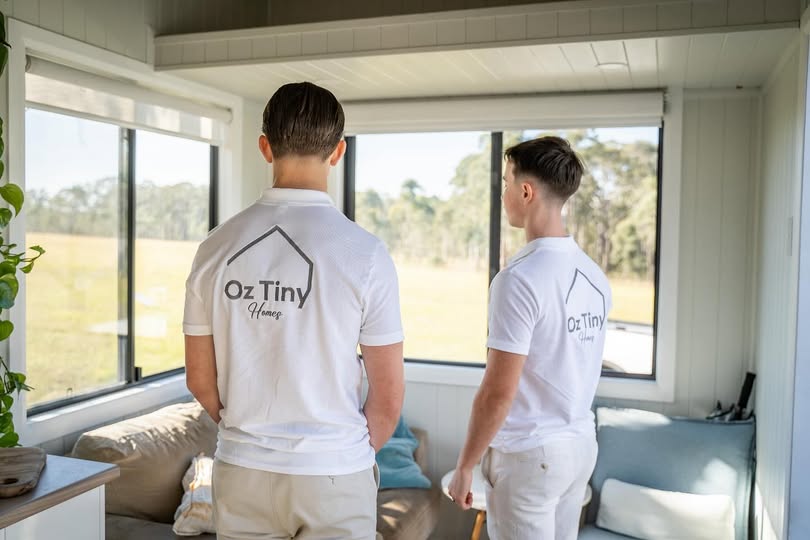
Introduction
The demand for compact, practical, and affordable housing options has encouraged more Australians to explore alternative ways of living. Among these options, tiny homes have become increasingly popular because they offer functional spaces, modern designs, and opportunities to simplify everyday life. For people seeking a more manageable home in Queensland, tiny homes Gold Coast can be an appealing option for long-term living.
The Gold Coast is known for its coastal lifestyle, outdoor activities, and diverse residential communities. However, choosing a tiny home for permanent accommodation requires more than selecting an attractive design. Buyers must consider land availability, local council regulations, construction quality, climate conditions, utilities, and long-term expenses.
1. Understand Your Long-Term Housing Needs
Before choosing a tiny home, consider how you intend to use the property over the next several years. Some people want a compact primary residence, while others need a secondary dwelling for family members or a flexible living space on an existing property.
Your intended use will influence the home's size, layout, facilities, and installation requirements.
For example, a single person may be comfortable with an open-plan living area and a compact kitchen. Couples or small families may need additional storage, separate sleeping areas, or more space for working from home.
When exploring tiny homes on the Gold Coast, consider the following questions:
·Will the home serve as your permanent residence?
·How much indoor and outdoor space do you need?
·Will you live alone, with a partner, or with family?
·Do you need a dedicated workspace?
·Will your housing requirements change in the future?
Answering these questions will help you identify a suitable design instead of choosing a home based only on its appearance.
2. Check Gold Coast Council Regulations and Approvals
One of the most important considerations when selecting a tiny home is understanding the legal requirements for placing and occupying it.
In Queensland, tiny homes are not governed by one universal set of rules. Their requirements depend on factors such as their construction, location, intended use, and whether they are fixed to the land.
A tiny home installed as a permanent dwelling may need to comply with applicable planning, building, plumbing, and drainage requirements. A tiny home on wheels that remains mobile and is not connected to utilities may be treated differently from a permanent residence.
Before purchasing tiny homes on the Gold Coast, contact the City of Gold Coast to confirm the applicable planning scheme, property zoning, and approval requirements. A private building certifier can also help identify the relevant building approval pathway.
You should investigate:
·Whether the property permits your intended residential use.
·Whether planning or development approval is required.
·What building and plumbing approvals apply.
·Whether site access and installation are feasible.
·Whether any conditions restrict occupancy or rental use.
Never assume that a tiny home can automatically be used as a permanent residence simply because it is advertised as suitable for living.
3. Choose the Right Land or Property Location
The location of your tiny home can significantly affect your comfort, expenses, and daily routine. Even a well-designed home may become impractical if the property lacks suitable access, essential services, or permission for the intended use.
The Gold Coast includes coastal suburbs, established residential neighbourhoods, and areas further inland. Each location offers different advantages in terms of transport, amenities, privacy, and access to employment.
Before selecting a property, assess its proximity to supermarkets, healthcare facilities, schools, public transport, and workplaces. If you prefer a quieter lifestyle, you may also want to consider outdoor space and access to recreational areas.
Land suitability is equally important. Check whether the site has adequate drainage, suitable ground conditions, safe access for delivery vehicles, and enough space for required connections.
For buyers considering tiny homes Gold Coast, confirming the property's suitability before paying a deposit can help prevent unexpected installation costs and approval problems.
4. Compare the Total Cost of Ownership
Tiny homes are often associated with lower housing expenses, but the purchase price does not represent the entire investment. A realistic budget should include all costs associated with buying, preparing, installing, and maintaining the home.
Depending on the project, expenses may include:
·The cost of the tiny home and selected upgrades.
·Land purchase, lease, or site rental costs.
·Transport and installation charges.
·Site preparation, foundations, and engineering.
·Water, electricity, wastewater, and drainage connections.
·Building certification and approval fees.
·Insurance, maintenance, and ongoing utility bills.
For example, a home with a relatively low advertised price may require substantial site preparation or utility work. Another option with a higher initial price may include more complete facilities and reduce additional installation expenses.
Compare quotations from several suppliers and ask for a clear breakdown of inclusions and exclusions.
The objective is not simply to find the cheapest tiny home. It is to identify a property that offers long-term value, dependable construction, and manageable ongoing expenses.
5. Prioritise Smart Design and Functional Space
Living in a smaller home requires careful planning. Every part of the interior should serve a useful purpose without making the space uncomfortable.
Modern tiny homes can incorporate practical features that improve everyday convenience while maintaining a clean, attractive appearance.
Consider the following design features:
Open-plan layouts: Combining kitchen, dining, and living areas can make a compact interior feel more spacious.
Built-in storage: Shelving, cupboards, under-bed drawers, and multi-purpose furniture can help reduce clutter.
Natural lighting: Well-positioned windows and suitable glazing can improve the feeling of space and reduce reliance on artificial lighting during the day.
Flexible furniture: Foldable tables, sofa beds, and convertible workspaces can make a small room more versatile.
Comfortable bathroom and kitchen facilities: These areas should provide sufficient usability, ventilation, and storage for everyday routines.
When comparing tiny homes on the Gold Coast, pay attention to ceiling heights, circulation space, kitchen work surfaces, and the accessibility of frequently used items.
A practical layout can make a compact home comfortable for years rather than merely attractive during a viewing.
6. Consider the Gold Coast's Climate
Queensland's subtropical climate makes weather protection and indoor comfort particularly important when choosing a tiny home.
The Gold Coast experiences warm, humid conditions, periods of heavy rainfall, and exposure to coastal air in many locations. A home designed without adequate ventilation, moisture control, or weather protection may require additional maintenance and become uncomfortable over time.
Look for features such as effective cross-ventilation, suitable insulation, moisture-resistant materials, and properly designed roofing and drainage systems.
Coastal exposure also deserves attention. Depending on the location, salt-laden air can accelerate corrosion in metal components and affect external fittings. Appropriate material selection, protective finishes, and regular maintenance can help reduce these risks.
Ask suppliers about the home's structural design, wind resistance, waterproofing, and compliance with applicable building standards.
Energy-efficient windows, ceiling fans, shading, and suitable insulation may also help maintain comfortable indoor temperatures while controlling energy use.
A well-designed tiny home should be suited to the conditions of its actual site, not just to general assumptions about coastal living.
7. Check Water, Electricity, and Wastewater Facilities
Reliable utilities are essential for long-term residential comfort. Before choosing a tiny home, confirm how water, electricity, drainage, and wastewater will be supplied and managed.
Some tiny homes are designed to connect to conventional residential services, while others may use alternative systems. The appropriate arrangement depends on the property, local requirements, and the home's intended use.
Ask the supplier whether plumbing and electrical systems are included in the quoted price and what work must be completed after delivery.
You should also confirm whether the site can support the proposed connections and whether additional permits or professional installation services are necessary.
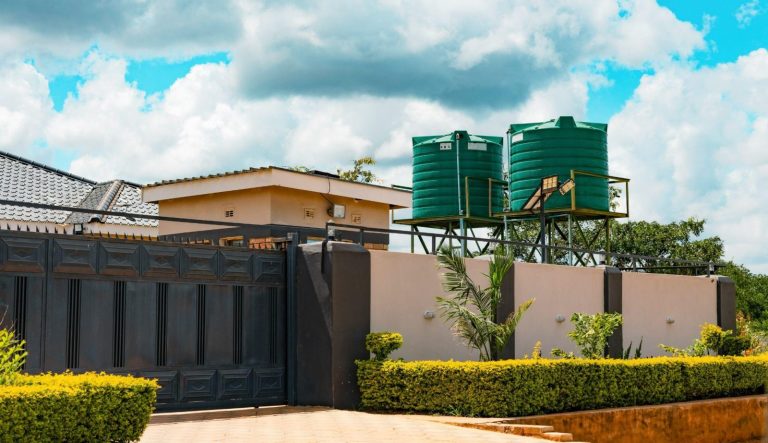
If considering rainwater tanks, solar panels, batteries, or other independent systems, assess their capacity against your expected daily consumption.
For permanent living, convenience and reliability should take priority over simply choosing an off-grid setup. All systems must be appropriate for the location and comply with relevant requirements.
8. Evaluate Construction Quality and Safety
A tiny home intended for long-term living should provide the same essential safety and reliability expected from any other residence.
Before committing to a supplier, review the home's construction materials, structural design, insulation, electrical installation, plumbing, and weatherproofing.
Ask for relevant engineering documents, product specifications, warranties, and compliance certificates. Where the home is manufactured off-site, clarify which components are covered by the supplier's warranty and which responsibilities fall to the installer.
In Queensland, fixed tiny homes used as dwellings may need to meet the applicable National Construction Code requirements and obtain relevant approvals. Installation work may also need to be undertaken by appropriately licensed contractors.
Do not rely solely on photographs, promotional descriptions, or verbal assurances. Obtain independent professional advice if you are uncertain about the home's compliance or construction quality.
A careful inspection before purchase can help identify problems that might otherwise become expensive to repair.
9. Plan for Privacy, Storage, and Future Flexibility
A home that feels comfortable initially may become restrictive if your needs change. Before choosing a design, think about how you will manage personal belongings, guests, hobbies, and work activities.
Good storage planning is especially important because limited floor space can make clutter more noticeable. Consider vertical shelving, multifunctional furniture, external storage where permitted, and a layout that separates sleeping and living activities as much as possible.
Outdoor areas can also improve the living experience. A small deck, shaded seating area, or garden may provide additional usable space, subject to property conditions and approval requirements.
If you expect to work remotely, plan for reliable internet access, adequate lighting, and a comfortable workspace.
Thinking ahead can help you select a tiny home that remains practical as your daily routine and household requirements evolve.
10. Compare Suppliers and Ask the Right Questions
Choosing a reliable supplier is an important part of the buying process. Compare several designs and request detailed written quotations before making a final decision.
Ask suppliers about construction standards, delivery arrangements, installation services, warranty coverage, maintenance requirements, and the documentation they provide.
You should also establish whether the advertised home is designed for permanent residential use or temporary accommodation. These descriptions are not interchangeable, and the intended use can affect the approvals required.
A supplier's willingness to explain technical details and provide supporting documentation can help you assess whether the product is appropriate for your needs.
Avoid making a decision based entirely on price or appearance. Compare overall value, construction quality, after-sales support, and the practical requirements of your chosen site.
Conclusion
Choosing tiny homes on the Gold Coast for long-term living requires careful consideration of lifestyle needs, property suitability, legal approvals, construction quality, and ongoing costs. Although compact housing can offer a simpler way of living, its success depends on selecting a design that meets everyday needs and complies with applicable requirements.
Before purchasing, research local council regulations, confirm that the site is suitable, compare complete project costs, and evaluate the home's ventilation, storage, insulation, and utility systems. It is also important to obtain the appropriate documentation and professional advice where necessary.
By planning carefully and comparing available options, prospective homeowners can make informed decisions about tiny homes Gold Coast and choose a living space that supports comfort, practicality, and long-term value.





1 thought on “What Should You Know Before Choosing Tiny Homes on the Gold Coast for Long-Term Living?”
Comments are closed.