Skeletal muscle tissue facilitates movement of the body. It regulates the rate of energy expenditure by the body and provides strength. Maintaining lean muscle can prove difficult during extensive muscle wasting, conditions that lead to tissue breakdown, or aging and muscle wasting. The aim of researchers is to identify substances that aid in building RAD140 protein without having any adverse effects on the whole body system. There exists a class of compounds known as Androgen Receptor Modulators (SARMs), which are used to safely develop muscles. One of the SARMS, known as RAD-140 (Testolone), is increasingly becoming popular in clinical studies due to its direct binding to muscle and bone tissue. Experts study how RAD-140 works with body cells. This helps people know more about keeping muscles, making new tissue, and gaining muscle size. In Australia, RAD140 is getting more attention. People want to know how it works, how the body uses it, and rules for using it.
What Is RAD-140 and How Does It Work in Muscle Tissue?
Testolone is another name for RAD-140, and this is a drug that is not a steroid. It is an SARM, meaning that it is a Selective Androgen Receptor Modulator. This was introduced with the aim of ensuring that users get all the benefits associated with the muscle-building properties of androgens without experiencing the side effects.
This is because when we compare RAD140 Australia with conventional anabolic steroids, it becomes quite clear that the former works in a different way compared to the latter. While anabolic steroids interact with many body parts, including the skin, prostate, and liver, the action of RAD-140 is more specific.
The Molecular Mechanism of Anabolic Activity
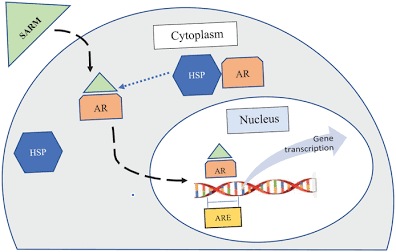
RAD-140 aids the growth of the muscles. This is achieved through the stimulation of the production of bodily compounds that stimulate the production of protein in the muscles. This leads to an increase in size and strength of the muscles. Through its binding to the androgen receptors in the muscle tissue, a certain process takes place. Something enters the inner part of the cell. The result of this process is that:
- Increased Protein Synthesis: Protein synthesis takes place within the muscle cells. This process helps to repair the muscle cell structure and make it larger.
- Catabolic Pathway Inhibition: Previous experiments using RAD-140 indicate that this drug blocks catabolic factors. The effect of this is protection of the lean body mass in case of reduced food intake or stress-induced atrophy of the muscles.
What Preclinical and Clinical Research Reveals
Early work on RAD-140 was done to find out how it could help with health problems tied to hormones. It was also looked at for muscle loss that comes from being sick for a long time. People also researched it for the very bad muscle loss that happens as you get older.
|
Research Focus Area |
Key Experimental Findings |
Biological Implications |
|
Lean Mass Retention |
Preclinical animal models showed noticeable increases in lean tissue mass over 28-day intervals. |
Indicates potential for reversing disease-induced muscle atrophy. |
|
Neuroprotective Potential |
In vitro neuronal assays demonstrated resistance against amyloid-beta toxicity. |
Suggests secondary protective mechanisms beyond skeletal muscle. |
|
Oncology Research |
Phase I trials evaluated RAD-140 in androgen receptor-positive (AR+) breast cancer cases. |
Demonstrates targeted efficacy in AR-expressing tissues. |
Limitations, Risks, and Safety Considerations
RAD-140 has strong effects on muscles. Clinical papers say there are several safety warnings. These papers also tell us about limits in the body.
- Risk of Liver Damage: Studies reveal elevated liver enzymes such as ALT and AST, which is indicative of stress on the liver.
- Lipid Profile Change: Studies say HDL cholesterol can go down. LDL may go up a little bit.
- Regulatory Status: RAD-140 is not approved yet. Health agencies in most places will not let people use it without a prescription or in sports.
Researchers who study bioactive compounds like RAD140 Australia are always looking at safety rules. They also check the quality when they test these models.
RAD-140 is a new development in SARM research. It helps us get more info on how the body uses androgen receptors in muscle. Studies say that it can help people build muscle and keep muscle from breaking down. It also has fewer problems with the prostate when you compare it to older androgen treatments. But there are some risks too. It can lower hormones in the body, change cholesterol, and lead to some liver stress. Researchers need to watch how it is used. As we get more data, it is good to know both the helpful and not-so-good sides of RAD-140, so people know how it can be used in the future.
Frequently Asked Questions
Is RAD-140 approved for clinical medical use?
No. RAD-140 is still being studied by experts. It does not have approval from groups like the US FDA or TGA to be used as a normal drug yet. You cannot get it for common care, and it is not for sale for people’s health needs.
How does RAD-140 differ from traditional anabolic steroids?
Traditional steroids go into many areas in the body. The heart, skin, and prostate can feel bad effects from this. RAD-140 does not do this. It goes to the right place and works on muscle and bone.
Does RAD-140 cause testosterone suppression?
Yes. The more you take RAD-140, the lower your own testosterone levels get. Preclinical and clinical studies say this. This change is because RAD-140 impacts the HPG axis in your body.
Can RAD-140 prevent muscle loss during caloric restriction?
Research shows that SARM-driven androgen receptor activation helps stop the body from breaking down. Because of this, things like RAD-140 are good at helping people keep muscle when they eat less in lab tests.