A compelling story does not always begin with a camera. Sometimes it starts with a paragraph, a character description, a photograph, or an idea that a writer has been developing for months. Translating these ideas into moving images has traditionally required a combination of filmmaking knowledge, equipment, editing skills, and considerable preparation. Recent developments in artificial intelligence are introducing new ways to bridge the gap between written imagination and visual production. One example is seedance 2.5, which gives creators additional options for developing video sequences from creative instructions and reference materials.
This development is particularly interesting for writers, independent publishers, educators, and digital storytellers who want to extend their work beyond traditional text formats. An ai video generator can help transform a written concept into a visual starting point, making it easier to experiment with scenes, characters, environments, and presentation styles. Rather than replacing the original writing process, this technology introduces another stage through which an idea can be explored and communicated.
Why Writers Are Exploring Visual Media
Written communication remains one of the most effective ways to explain complex subjects, develop arguments, and explore human experiences. However, audiences increasingly encounter information through multiple formats. Articles are accompanied by videos, educational resources include animations, and publishers use visual material to introduce stories across digital platforms.
For writers, this creates an opportunity to approach their work from a different perspective.
A travel writer describing a remote mountain village, for example, might want to communicate more than its geographical features. The atmosphere, changing weather, movement through narrow streets, and relationship between the landscape and its residents all contribute to the experience.
A visual interpretation can help audiences connect with these details in another way. Similarly, a novelist might experiment with a short cinematic scene to explore how a character or setting could appear on screen.
The original writing remains essential because it provides the context and meaning behind the visual material.
Connecting Written Descriptions With Video Generation
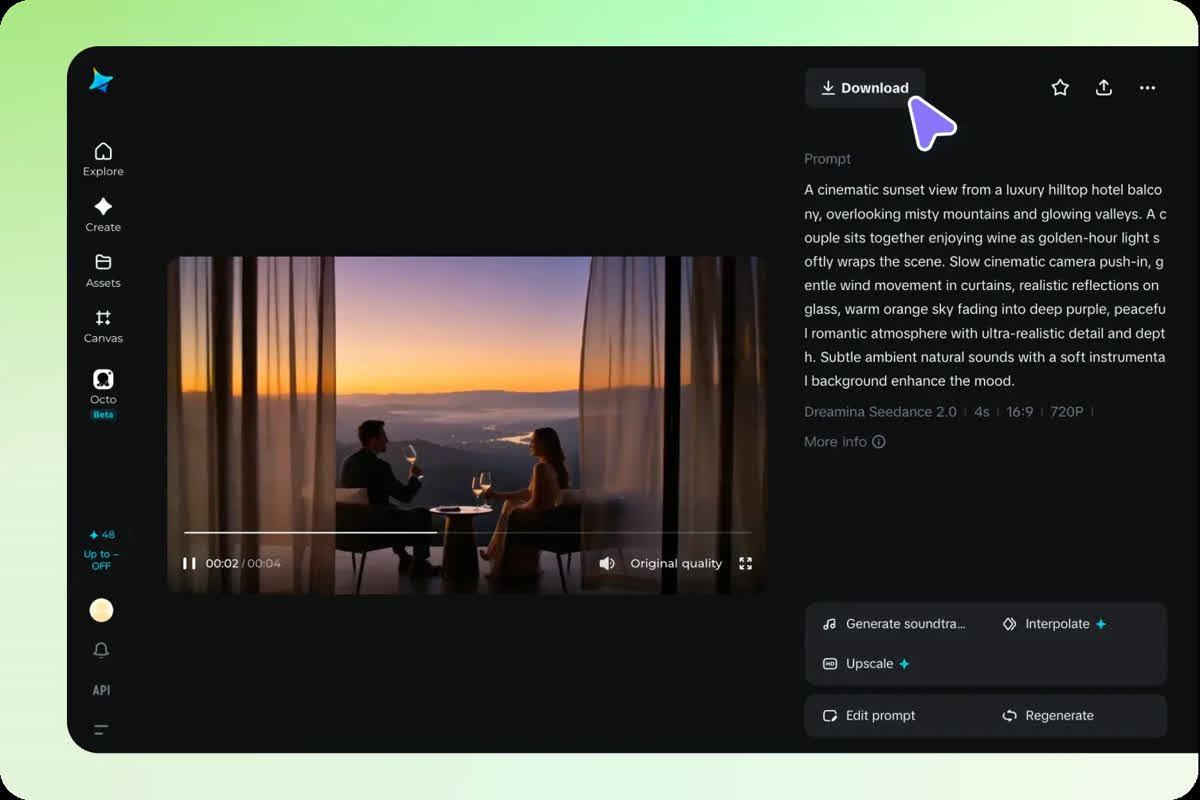
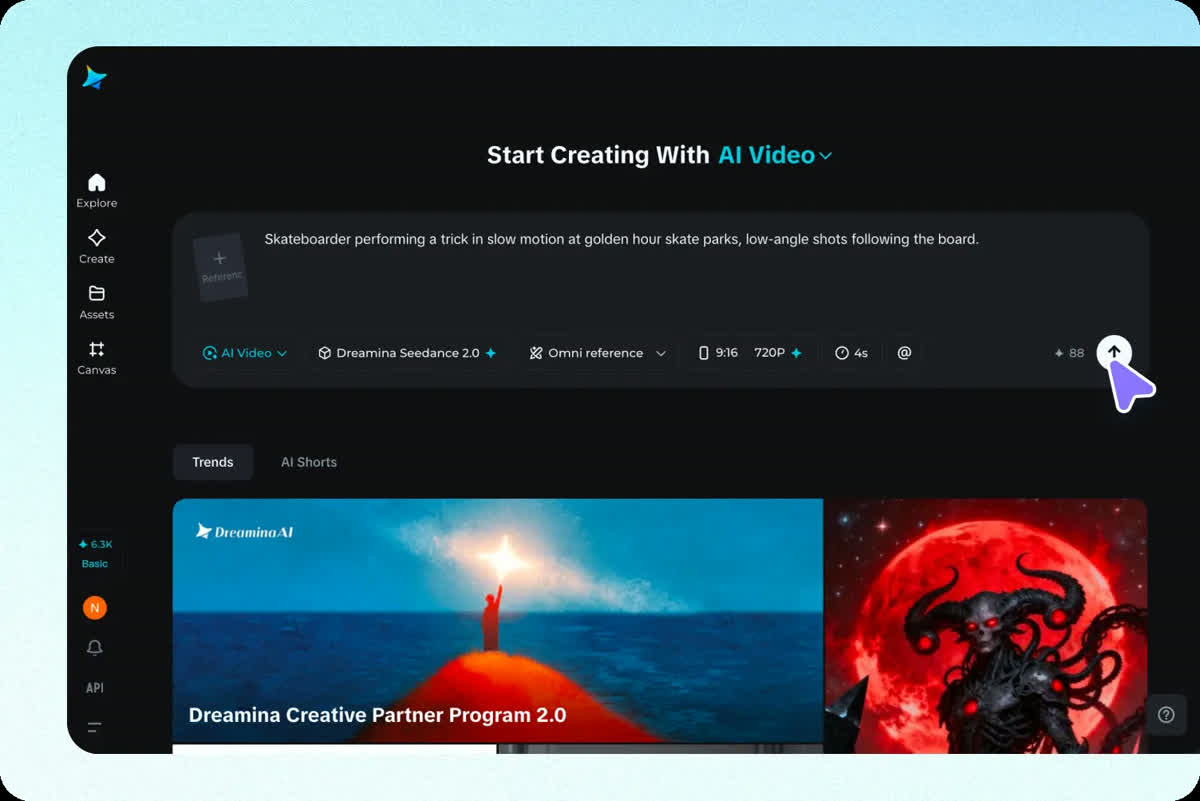
One of the most interesting applications of AI video technology is its ability to interpret detailed creative instructions. Platforms such as Dreamina make this process more accessible by allowing creators to explore AI-powered video generation through written prompts and visual references, helping bridge the gap between an initial idea and its visual presentation.
A writer can describe a subject, explain what happens in a scene, establish the environment, and specify the intended atmosphere. These instructions provide a foundation for generating a visual interpretation.
For better results, the description should be specific without becoming unnecessarily complicated. Instead of simply requesting a person walking through a city, a writer might describe a young photographer exploring a quiet historic street at sunrise, carrying an old camera while warm light falls across the surrounding architecture.
The additional information establishes the setting, subject, action, and visual mood.
Writers can also use reference images when a particular character appearance, location, or artistic direction needs to remain recognizable. This makes the process more useful for projects involving recurring characters or connected scenes.
Developing More Consistent Visual Narratives
One challenge in AI-generated storytelling is maintaining continuity. A character may appear slightly different between scenes, objects can change unexpectedly, and the visual atmosphere may not remain consistent.
These issues become particularly important when a project involves several connected moments rather than one isolated clip.
Seedance 2.5 introduces multimodal reference capabilities that allow creators to combine text, images, video, and audio when developing a scene. Its official product information describes support for up to 50 reference inputs and video generation of up to 30 seconds in a single generation. It also includes more targeted editing options for refining selected parts of a video.
For a writer developing a short narrative, these capabilities can provide additional ways to guide the visual interpretation of an existing script.
For example, a short story might feature two characters meeting in a particular location. Reference images could establish their appearance and the environment, while written instructions explain their actions and the intended camera perspective.
The resulting video would still require editorial review, especially when character identity, scene continuity, and the meaning of the original story are important.
The Relationship Between Writing and AI Video Tools
A common misconception is that video generation makes writing less important. In reality, clear writing can become even more valuable when visual production depends on detailed instructions.
An effective prompt requires the creator to communicate what should appear on screen, what should happen, and which details matter most. This process shares several similarities with writing a scene for a screenplay.
Writers already think about character motivation, atmosphere, pacing, dialogue, and the progression of events. These elements can also help guide video generation.
A well-developed scene description might include:
- Subject: The person, object, or character that should appear.
- Action: What the subject does during the scene.
- Environment: The surrounding location and its visual characteristics.
- Camera direction: Whether the scene uses a close-up, wide shot, or moving perspective.
- Atmosphere: The lighting, mood, and overall visual style.
- Continuity: Details that should remain consistent throughout the sequence.
Thinking through these elements can help writers translate abstract ideas into more specific visual instructions.
Opportunities for Independent Publishers and Digital Creators
Independent publishers frequently operate with smaller production budgets than established media organizations. They may have talented writers and interesting stories but limited resources for developing accompanying visual material.
AI-assisted production offers another possibility for these teams.
An online publication covering culture and literature could develop short visual introductions to selected articles. An independent author might create a promotional concept for an upcoming book, while an educational publisher could explore animated explanations of complicated topics.
These applications do not require every written piece to become a video. Instead, publishers can identify stories that would genuinely benefit from a visual component.
A historical article, for instance, might benefit from an illustrative scene that helps readers understand the setting. An opinion piece, on the other hand, may be more effective when its central argument remains in written form.
The decision should depend on the subject, audience, and purpose of the publication.
Experimentation Without Losing Editorial Quality
One advantage of AI-assisted workflows is the ability to explore different visual directions before committing to a final version.
A writer could develop several concepts for the same story, compare their atmosphere, and decide which best reflects the original intention. This can be particularly useful during early creative development, when ideas are still being shaped.
However, experimentation should not become an excuse for publishing unreviewed material.
Generated scenes can contain visual errors, inconsistent objects, unnatural movement, or details that contradict the original writing. Creators need to evaluate these issues before including generated footage in a finished project.
Accuracy is especially important in journalism, educational publishing, and documentary-style storytelling. A generated scene should not be presented as genuine documentary evidence or an authentic recording of an event that never occurred.
Writers and publishers should also consider copyright, permissions, privacy, and the responsible use of reference material.
Maintaining a Distinctive Creative Voice
As AI tools become more accessible, the ability to create technically impressive visuals may become less distinctive. What will continue to separate strong creative work from ordinary content is the thinking behind it.
A recognizable creative voice develops through perspective, subject selection, language, emotional understanding, and editorial decisions. These qualities cannot be reduced to visual effects or technical settings.
Writers should therefore approach AI video generation as an extension of their existing creative skills. Their knowledge of storytelling can help determine which scenes deserve attention, what information should be included, and how a visual sequence should support the central message.
A tool can interpret instructions, but the writer must decide whether the result communicates the intended meaning.
A New Possibility for Multidisciplinary Storytelling
The relationship between writing and video production is likely to become increasingly interconnected. Authors may experiment with visual adaptations of their work, publishers may introduce additional multimedia formats, and educators may combine written explanations with generated illustrations.
These developments create opportunities for collaboration between writers, designers, filmmakers, and other creative professionals.
The strongest projects will not necessarily be those with the most complicated visual effects. They will be the ones in which the written idea and its visual interpretation complement one another.
AI video technology is expanding the ways creative concepts can be explored, but meaningful storytelling still depends on human imagination, thoughtful writing, and careful editorial judgment. For writers willing to experiment with new formats, the moving image can become another medium through which original ideas find an audience.