

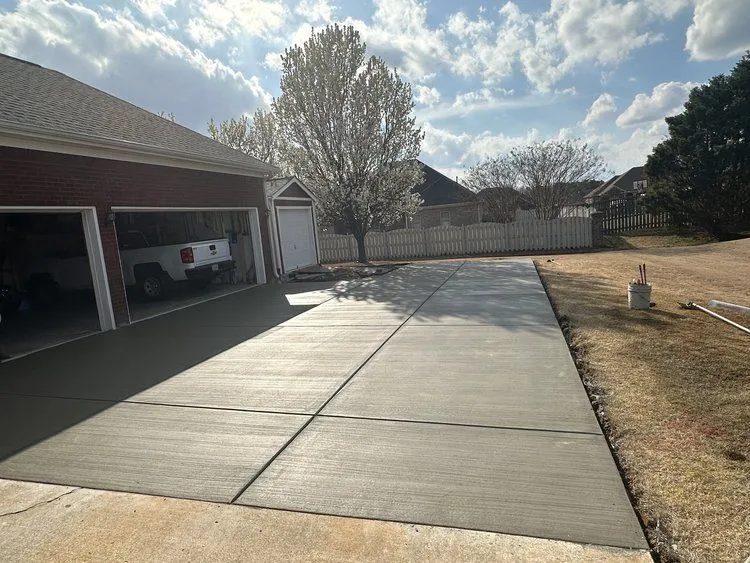
A small yard can feel like a puzzle. You want a spot to sit, a place for the grill, maybe a bit of green, and somehow it all has to fit in a space that’s smaller than your living room. Plenty of homeowners in Huntsville deal with this, especially in newer neighborhoods where lots are tight. The good news is that size matters less than layout.
A well-planned small yard can feel more comfortable than a big, empty one. Experienced hardscape contractors in Huntsville, AL that homeowners hire know this well, and they use a handful of simple tricks to squeeze more out of every square foot. Here are the ones worth knowing before you start your own project.
Start with how you’ll actually use the space.
Before picking stone or pavers, think about daily life. Do you eat outside? Do the kids need room to run? Do you just want a quiet corner for coffee? A small yard can’t do everything, so a good contractor will ask you to rank your priorities. Once you know your top two or three, the design gets much easier. A yard planned around real habits always feels bigger than one planned around a wish list.
Use levels to create separate zones.
Even a flat lot can use different heights to mark out areas. A low wall or a single step up can separate a seating spot from a planting bed without building anything tall. It tricks the eye into seeing two spaces instead of one. On a sloped yard, terracing does the same job and gives you flat ground you can actually use.
Pick one material and repeat it.
Too many materials chop a small yard into pieces. Many contractors stick to one main paving material, then add a second one as a border or accent. This keeps the eye moving across the space without stopping. Light-colored pavers also reflect sunlight, which makes tight areas feel more open. Dark surfaces can look heavy in a small space, so use them sparingly.
Build seating into the walls.
This is one of the most useful tricks around. A wall about 18 inches tall with a flat cap stone works as a bench. You get seating without buying chairs that crowd the patio. When guests come over, the wall holds extra people. When they leave, the yard is clear again. Just remember that a wall holding back soil has to be built for that job, so talk with your contractor if one wall will do both.
Go vertical
When floor space runs out, look up. Trellises, a slim pergola, or planter walls bring greenery and shade without eating into the patio. Vertical planters along a fence give you flowers or herbs with almost no footprint. Climbing plants also soften hard edges, which helps a small yard feel less boxed in.
Keep paths simple
Winding paths look lovely in big gardens, but in a small yard they waste room. A straight or gently curved walkway with clean edges works better. Stepping stones set in gravel or grass are another option when you want a path without a large paved area.
Don’t forget drainage.
Small yards can have big water problems, because there’s less ground to soak up the rain. Water can pool against the house or run into a neighbor’s property. A good plan slopes the patio slightly away from the house and uses drains or gravel beds where needed. It’s a quiet detail that protects everything else you build. Skilled hardscape contractors Huntsville, AL residents rely on sort out water first, before they worry about looks.
Plan the lighting early.
Soft lights on steps, walls, and planting beds make a small yard usable after dark. They also add depth, so the space looks larger at night. Plan the wiring early so you aren’t digging up a new patio later.
Where to start
If you want a local team to talk to, Legacy Outdoor Services is worth a look. They’re family-owned, serve Huntsville, Madison and Athens, and offer free consultations. They also handle walls, patios and drainage as one plan, and their 3D designs can help you picture a small space before any work begins.
Final thoughts
A small yard isn’t a limit. With smart levels, simple materials and a bit of planning, it can become the most-used room of your house. Talk with a few hardscape contractors Huntsville, AL has to offer, share your priorities, and choose the team that gives you clear answers.
FAQs
1. What is the best patio size for a small yard?
A patio around 10 by 12 feet fits a small table and four chairs comfortably. If you want a grill or lounge seating, plan a bit more room. Leave space to walk around furniture, since cramped layouts feel smaller than they really are. Tape the outline on the ground first to test it.
2. Which materials work best in a small yard?
Pavers, natural stone, and poured concrete all work well. Light, neutral colors make tight spaces feel open, while using one main material keeps the look clean. Choose based on budget, style, and upkeep. Pavers are easy to repair, and stone gives a classic look. Ask for samples to see them in your own light.
3. Can I add a retaining wall to a small yard?
Yes. Walls work best where ground levels change, though flat yards can use low ones for raised beds or seating. Height, soil, and drainage affect the design, and taller walls may need extra review. A site visit helps your contractor suggest what will work safely. It’s worth asking early.
4. How long does a small hardscape project take?
Small patios or walkways can take a few days, while projects with walls, drainage, and steps may take a couple of weeks. Weather, material delivery, and site conditions all play a part. Ask for a written timeline, so you know what to expect before work starts.





1 thought on “Small Yard, Big Impact: Space-Saving Tricks Used by Hardscape Contractors in Huntsville, AL”