Belfast has undergone remarkable changes over the generations, yet many of its most meaningful stories remain preserved in ordinary family collections. Old photographs, home videos and forgotten recordings offer personal glimpses into the city’s streets, neighbourhoods and everyday traditions.
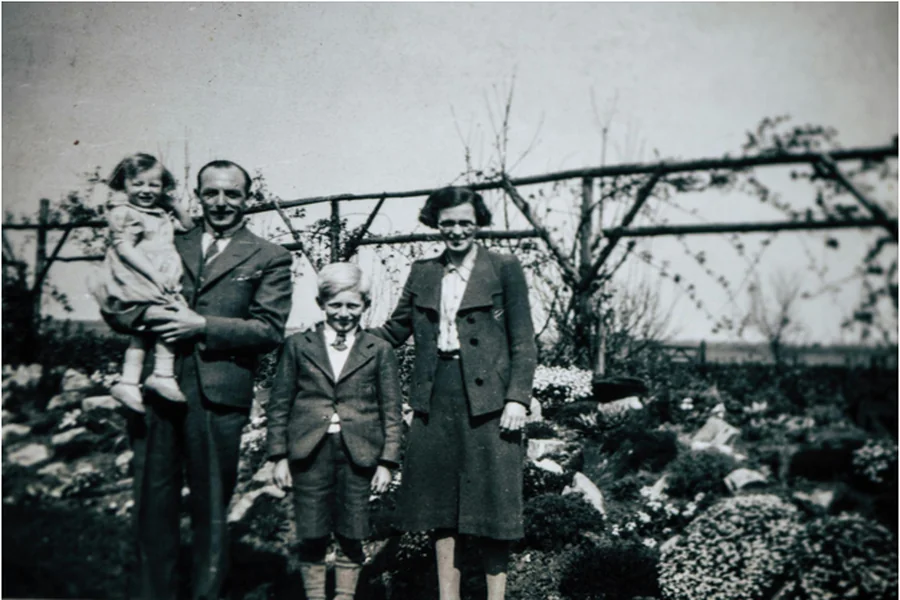
While museums and historical archives document major events, family photographs capture smaller moments that rarely appear in official accounts. Birthday celebrations, school outings, weddings and familiar street scenes reveal how people experienced Belfast during different periods.
For families with roots in the city, exploring these memories can become an enjoyable way to reconnect with relatives and understand how their surroundings have changed.
Whether discovering photographs in an attic or revisiting footage recorded decades ago, preserving personal memories helps connect Belfast’s past with the people who continue to shape its future.
Bringing Forgotten Family Recordings Back to Life
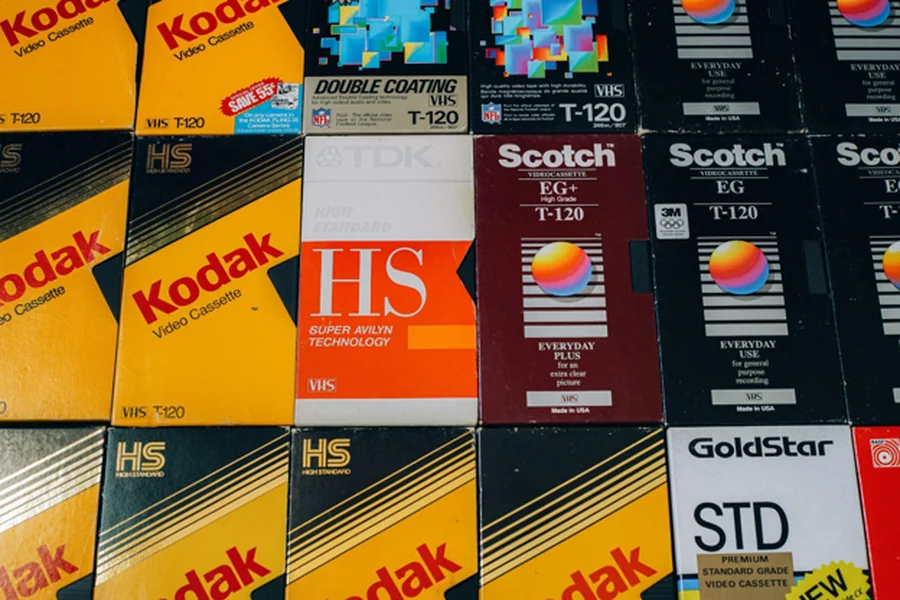
Many Belfast households have collections of home videos stored on DVDs, videotapes or other older formats. These recordings may contain family celebrations, childhood holidays and important moments that younger relatives have never experienced.
Unfortunately, older media can become difficult to access as playback equipment disappears from everyday use.
Families hoping to revisit these recordings can explore dvds to digital service, making treasured footage easier to watch, organise and share across generations.
Digital copies offer convenient opportunities to bring relatives together for family viewing evenings or exchange memories with those who have moved away from Northern Ireland.
Watching familiar places and people appear on screen can encourage conversations about earlier lifestyles, family relationships and neighbourhood experiences.
Preserving these recordings helps ensure that ordinary moments remain accessible rather than disappearing with outdated technology.
Recognising Belfast Landmarks in Old Photographs
One of the most enjoyable aspects of exploring historical family photographs is identifying familiar Belfast landmarks.
City Hall, the Albert Memorial Clock and the streets surrounding the city centre have appeared in countless personal photographs over the decades.
Comparing older images with present-day surroundings reveals changes in traffic, architecture, shopfronts and public spaces.
A photograph taken near Royal Avenue, for example, may show businesses or street features that have long since disappeared.
Families can turn these discoveries into informal walking tours, visiting locations featured in their old collections.
Taking new photographs from approximately the same viewpoint creates an interesting record of how Belfast continues to evolve.
These comparisons encourage younger generations to recognise the history behind places they may otherwise take for granted.
Exploring the Stories Behind Belfast’s Neighbourhoods
Belfast’s identity extends far beyond its best-known landmarks. Residential streets and individual neighbourhoods contain countless stories about the families who lived and worked there.
Old photographs from areas such as the Shankill, Falls Road, Ormeau and East Belfast may reveal changing houses, local businesses and community gathering places.
Family albums can also provide clues about schools, workplaces and social activities that shaped everyday routines.
Speaking with older relatives often adds valuable context to these images.
A seemingly ordinary photograph outside a terraced house might prompt memories of childhood friendships, local celebrations or nearby shops.
Recording these conversations alongside the photographs creates a richer family history.
It also helps preserve personal perspectives that might otherwise be lost as generations grow older.
Using Local Archives to Discover More Family History
Personal collections become even more interesting when combined with historical resources available throughout Belfast.
The Public Record Office of Northern Ireland holds archival material that can assist people researching family and local history.
The Linen Hall also provides valuable collections relating to Belfast, Northern Ireland and earlier generations.
Historical newspapers, directories and photographs can help families investigate unfamiliar addresses or identify businesses appearing in old pictures.
Libraries and heritage organisations may also provide opportunities to explore changing neighbourhoods and significant local events.
When researching family photographs, begin with whatever information is available, including approximate dates, names and locations.
Even a small detail on the back of a photograph can provide a useful starting point.
Combining personal memories with historical records helps transform isolated images into more complete stories.
Creating a Family History Project Everyone Can Enjoy
Organising old photographs and videos can become a rewarding activity involving several generations.
Start by gathering family collections from relatives and arranging materials into broad categories, such as weddings, childhood memories, holidays and neighbourhood photographs.
Where possible, record the names of people appearing in each image and the approximate year it was taken.
Older relatives can contribute stories, while younger family members may enjoy scanning photographs and organising digital folders.
A shared family album provides a convenient way to bring these discoveries together.
Families might also create a small exhibition for a reunion, displaying photographs alongside short descriptions of their significance.
These activities encourage conversations that connect personal memories with Belfast’s wider history.
Keeping Belfast’s Personal History Alive for Future Generations
Photographs and home videos become increasingly valuable when families make an effort to preserve their context.
Digital files should be organised clearly, backed up securely and stored in formats that remain accessible.
Original photographs also deserve careful handling and protection from moisture, excessive light and physical damage.
Perhaps most importantly, families should record the stories behind the images while relatives can still explain them.
A photograph may show what a particular Belfast street looked like, but personal memories reveal what living there actually felt like.
By preserving recordings, exploring familiar locations and sharing stories across generations, families can create a meaningful connection between past and present.
Belfast’s history belongs not only to its famous buildings and major events, but also to the everyday experiences of the people who have called the city home.