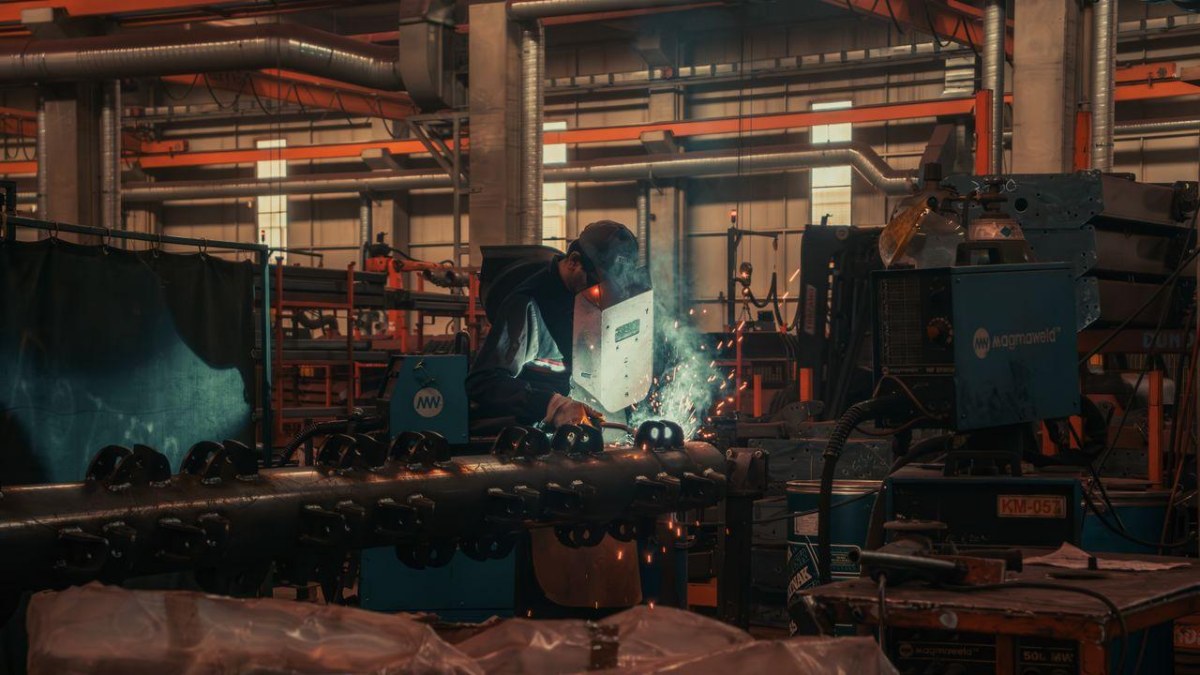
It’s time for your move, and that also means moving your equipment. Heavy machinery like welding equipment is built for tough jobs, but moving can take its toll on machinery if the proper precautions aren’t taken. Proper safety precautions go a long way to protecting that essential (and costly) equipment and minimizing any risks that could impact your operations once the move concludes. Repairs and replacement of any damaged equipment can be costly, and your best way of avoiding any avoidable costs is ensuring your welding equipment is relocated properly in the first place.
The complication is that much of your equipment has different requirements for that safe transportation. Machines, cables, torches, and gas cylinders each need specific handling to arrive in working order and ready for work once you’ve finally settled in. Having a careful plan in place beforehand protects both your investment and the people doing the lifting.
Here’s a short list of tips to help you relocate safely, for you and your equipment.
1. Shut Down and Disconnect Everything First
As a rule, it’s always safest to turn off and disconnect everything before transportation. Turn off each machine, unplug it, and let it cool completely before anyone handles it. You’ll also need to remove any torches, ground clamps, and leads to avoid any dangling cables or snagging during lifting. Take some photos of your machinery before disconnecting anything to make reassembly easier at the new location.
2. Handle Gas Cylinders with Extra Care
As any supplier of welding gas in Toronto can tell you, gas cylinders deserve a particular care during transportation given how sensitive natural gas can be. Be sure to close the cylinder valves, remove the regulators, and screw on the protective valve caps before moving any tank, and double-check that these have been done for every one to ensure maximum safety. Cylinders should always be kept upright and secured with straps or chains to avoid tipping or rolling in transit; always take care not to drag a cylinder or roll it on its edge when moving it.
3. Pad and Protect Your Machines and Accessories
Equipment always deserves some TLC during transportation to avoid damage in case anything shifts on the way to your destination (hence why packing material is so important). That goes double for any heavy welding equipment. Wrap welders in moving blankets, paying close attention to any sensitive control panels, dials, and display screens that are especially susceptible to harm. Coil cables loosely and bundle them with ties to avoid kinking and tangling. When dealing with small items like nozzles, contact tips, and electrode holders, keep those items in labelled bins to account for them and let you know where to find them once you arrive.
4. Choose the Right Storage Environment
Moisture is one of the biggest threats to welding gear; any water getting where it shouldn’t can rust metal parts and damage electrical components. When it comes to using services with moving & storage in Calgary, find a transportation service that features a clean, dry, and secure storage space with easy access to your tools to ensure those tools are kept moisture-free on their way to your new work space.
5. Organize the New Space for Safety
Transporting your equipment is one step; after that comes delivering them to your new space. Once everything arrives, find stable, level surfaces to place your heavy machinery, and keep walkways clear to enable delivery to other locations across your new premises. Store oxygen cylinders apart from fuel gas cylinders to minimize fire hazards; also take care to keep all tanks chained upright and away from any heat sources. Label all your shelves and bins clearly to guide where to place your items. Finally, be sure to inspect each machine for damage before its next use to ensure everything is in working order (and to determine if anything needs maintenance to get the cost in time and money out of the way).
Any move always takes some effort to pull off, and transporting sensitive equipment like welding equipment adds a few complications you’ll need to prepare for to ensure the work’s done safely. Relocating welding equipment safely ultimately comes down to preparation, protection, and the right storage space. By taking these measures and implementing them during your move, you set yourself up to avoid costly damage and hazards, and start your relocation to your new workplace on the right foot.