
Traveling abroad opens up incredible experiences, but it also means navigating unfamiliar environments, laws, and risks. A little preparation goes a long way toward keeping a trip safe without letting caution overshadow the adventure.
Before You Leave
Research Your Destination
Check government travel advisories, local news, and cultural norms before departure. Understanding common risks—whether petty crime, natural disasters, or political unrest—helps you prepare appropriately without unnecessary fear.
Register With Your Embassy
Many countries offer free traveler registration programs that notify your embassy of your trip, making it easier for them to reach you in an emergency or during a crisis abroad.
Share Your Itinerary
Leave a copy of your itinerary, accommodation details, and flight information with someone you trust at home, along with regular check-in times if you’ll be in remote areas.
Get Travel Insurance
Comprehensive travel insurance covering medical emergencies and evacuation is essential, especially since many domestic health plans offer little or no coverage internationally.
Protecting Your Documents and Money
Make Copies of Important Documents
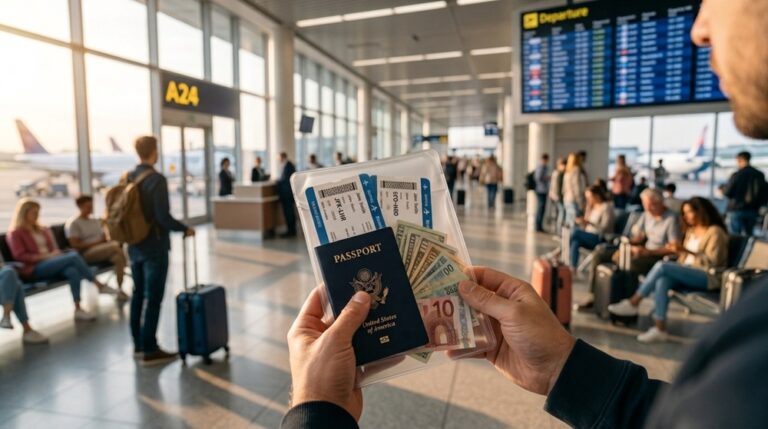
Keep physical and digital copies of your passport, visa, and ID stored separately from the originals, and consider emailing copies to yourself as a backup.
Use a Money Belt or Hidden Pouch
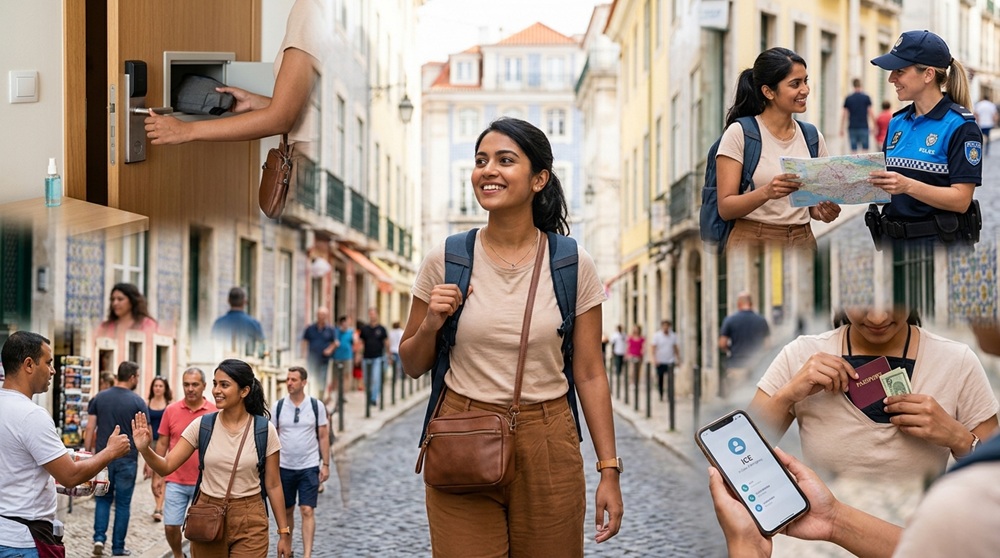
Keeping your passport, cash, and cards in a hidden pouch rather than an obvious bag or back pocket reduces the risk of pickpocketing in crowded tourist areas.
Don’t Carry All Your Cash and Cards Together
Splitting money and cards between your bag, wallet, and a hidden pouch means a single theft doesn’t leave you stranded without resources.
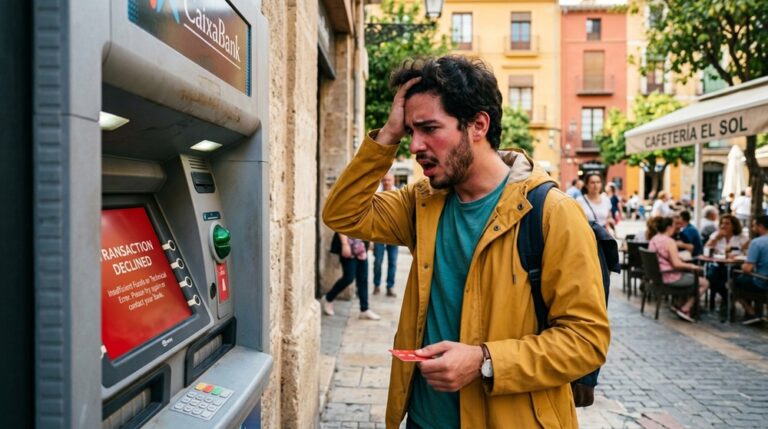
Notify Your Bank Before Traveling
This prevents your card from being frozen due to unexpected international transactions and ensures access to funds throughout your trip.
Staying Safe Day-to-Day
Blend In, Don’t Stand Out
Avoid flashy jewelry, expensive cameras hanging visibly, or clothing that clearly marks you as a tourist unfamiliar with the area, which can make you a target for theft or scams.
Research Common Local Scams
Every popular destination has known tourist scams. Recognizing common tactics in advance helps you avoid falling for them without becoming overly suspicious of genuine kindness.
Trust Your Instincts
If a situation, person, or place feels wrong, it’s okay to leave or change plans. Instincts are often a reliable early warning sign worth listening to.
Use Reputable Transportation
Stick to licensed taxis, verified rideshare apps, or transportation recommended by your accommodation, especially late at night or in unfamiliar areas.
Health and Medical Safety
Research Vaccination Requirements
Some countries require or recommend specific vaccinations before entry. Check well in advance, since some vaccines require multiple doses over several weeks.
Know Where to Get Medical Help
Research the nearest hospitals or clinics to your accommodation, and keep your travel insurance information easily accessible in case of an emergency.
Be Cautious With Food and Water
In destinations where tap water isn’t safe, stick to bottled or filtered water and be mindful of street food hygiene, especially early in the trip before your system adjusts.
Digital and Personal Safety
Avoid Oversharing Your Location Online
Posting real-time location details publicly can alert others that your accommodation is unoccupied or reveal patterns in your daily movements.
Use a VPN on Public Wi-Fi
Public networks in airports, cafes, and hotels are common targets for data interception. A VPN adds a layer of protection when accessing sensitive accounts.
Keep Emergency Numbers Handy
Save local emergency numbers, your embassy’s contact information, and your insurance provider’s emergency line before you need them, not while in a crisis.
Cultural and Legal Awareness
Understand Local Laws
Laws that seem minor at home—like certain photography restrictions, alcohol regulations, or dress codes—can carry serious consequences abroad. Research before you go.
Respect Cultural Norms
Understanding local customs around dress, behavior, and etiquette reduces the risk of unintentionally causing offense or drawing unwanted attention.
Final Thoughts
Staying safe abroad comes down to preparation, awareness, and common sense rather than paranoia. By researching your destination, protecting your documents and money, and staying alert to your surroundings, you can navigate unfamiliar environments confidently while still fully enjoying the experience of traveling.