
Weekday mornings and evenings rarely leave room for elaborate cooking. Meal prep bridges that gap, turning a few hours on a slower day into a week’s worth of ready-to-eat meals, so healthy eating doesn’t depend on having energy left at 7pm.
Why Meal Prep Makes Weekdays Easier
Cooking Once, Eating All Week
Meal prep concentrates cooking time into one or two sessions, eliminating the need to cook from scratch every single day during the busiest part of the week.
Reduces Stress Around Dinner
Having meals already prepped removes the nightly question of “what’s for dinner,” one of the most common triggers for defaulting to takeout or convenience food.
Getting Started With Meal Prep
Pick One Prep Day
Choosing a consistent day—usually Sunday—to shop, cook, and portion meals creates a routine that becomes automatic rather than something to plan from scratch weekly.
Start With Just a Few Meals
Prepping three or four meals instead of all seven days at once makes the habit easier to sustain, especially when starting out.
Choose Recipes That Reheat Well
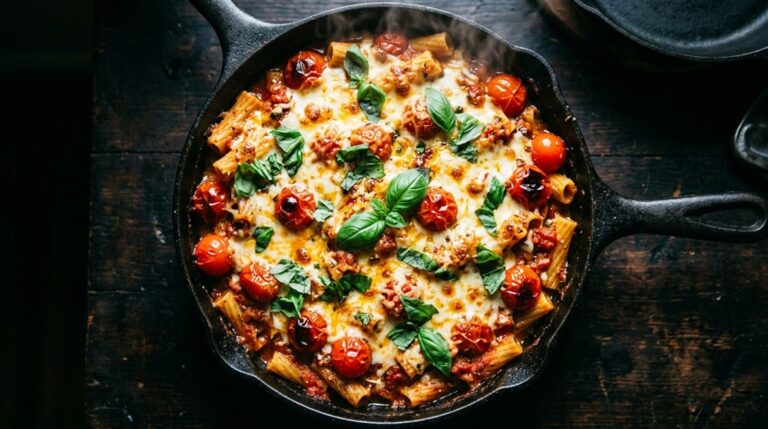
Not every dish holds up after a few days in the fridge. Soups, grain bowls, stir-fries, and casseroles tend to reheat far better than dishes with delicate textures, like fried or cream-based foods.
Efficient Prep Techniques
Batch Cook Proteins
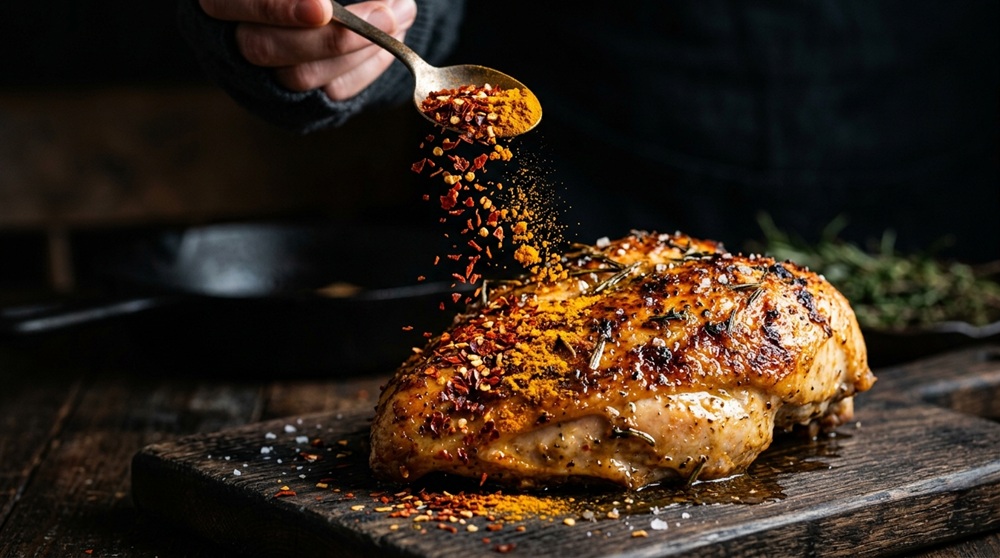
Preparing a large batch of a protein—grilled chicken, ground turkey, baked tofu—at once provides a base that can be mixed into different meals throughout the week without repeating the same dish.
Roast Vegetables in Bulk
Roasting a large tray of mixed vegetables at once is faster than cooking small batches repeatedly, and roasted vegetables hold up well for several days.
Cook Grains in Advance
Preparing a large batch of rice, quinoa, or another grain gives you a ready-to-use base for bowls, sides, or salads throughout the week.
Use One Oven, Multiple Trays
Roasting vegetables and proteins simultaneously on separate trays makes efficient use of oven time during a single prep session.
Smart Assembly Strategies
Build Mix-and-Match Components
Rather than prepping five identical meals, prepping separate components—protein, grain, vegetable, sauce—lets you combine them differently throughout the week, avoiding meal fatigue.
Portion Meals Immediately
Dividing food into individual containers right after cooking, rather than storing it in bulk, makes grabbing a ready-to-go meal effortless during busy mornings.
Keep Sauces and Dressings Separate
Storing sauces or dressings in small separate containers prevents food from becoming soggy, keeping textures fresher until you’re ready to eat.
Storage Tips That Make a Difference
Use Clear, Stackable Containers
Clear containers make it easy to see what’s available at a glance, while stackable designs save fridge space during a full week of prepped meals.
Label With Dates
Labeling prepped meals with the date they were made helps track freshness and avoids the guesswork of wondering how long something has been in the fridge.
Freeze What You Won’t Eat Soon
Portions unlikely to be eaten within three to four days freeze well, extending their usability and preventing food waste.
Time-Saving Shortcuts
Buy Pre-Cut Produce When Needed
Pre-washed greens or pre-chopped vegetables cost a little more but can save meaningful prep time during a rushed session.
Use a Slow Cooker or Instant Pot
Hands-off cooking methods allow you to prep other components simultaneously, cutting overall active cooking time during a prep session.
Double Recipes You Already Make
Simply doubling a weeknight recipe you’re already cooking creates built-in leftovers without any extra planning effort.
Keeping It Sustainable
Don’t Aim for Perfection
A partially prepped week—even just proteins and grains ready to go—still saves significant time compared to starting from scratch every night.
Rotate a Few Reliable Recipes
Having four or five go-to meal prep recipes in rotation removes the need to plan something new every week while still avoiding repetition fatigue.
Adjust Based on Your Week
Prepping lighter during busy weeks and more thoroughly during slower ones keeps the habit realistic rather than becoming another source of pressure.
Final Thoughts
Meal prep doesn’t need to be complicated to make a real difference on busy weekdays. By batch cooking a few key components, portioning meals in advance, and keeping recipes simple and reheat-friendly, healthy eating becomes far less dependent on how much time or energy is left at the end of a long day.