
Protein plays a role in nearly every function in the body, from building muscle to supporting immune health. Getting enough of it doesn’t require complicated meal plans—just knowing which everyday foods deliver the most protein for their calories.
Why Protein Matters
Building and Repairing Tissue
Protein provides the building blocks for muscle, skin, hair, and virtually every tissue in the body, making it essential for both growth and daily repair.
Supporting Satiety
Protein is more satiating than carbohydrates or fat, helping regulate appetite and reduce unnecessary snacking throughout the day.
Supporting Metabolic Health
Adequate protein intake helps preserve lean muscle mass, particularly important during weight loss or as people age, since muscle naturally declines over time without enough protein and activity to maintain it.
Animal-Based Protein Sources
Eggs
Eggs are one of the most complete, accessible protein sources, delivering high-quality protein along with vitamins and healthy fats in a versatile, affordable package.
Chicken and Turkey
Poultry, especially the breast, offers a lean, high-protein option that works across countless meals, from salads to stir-fries to grain bowls.
Fish and Seafood
Fish like salmon, tuna, and cod provide high-quality protein along with beneficial omega-3 fatty acids, particularly in fattier fish varieties.
Lean Beef and Pork
Lean cuts of red meat offer a dense source of protein along with iron and B vitamins, though moderation is often recommended due to saturated fat content in fattier cuts.
Greek Yogurt
Greek yogurt contains significantly more protein than regular yogurt due to its straining process, making it a convenient, versatile protein source for breakfast or snacks.
Cottage Cheese
Cottage cheese is another high-protein dairy option, often containing more protein per calorie than many other dairy products.
Milk
Milk offers a convenient source of both protein and calcium, making it an easy addition to smoothies, cereal, or coffee for an extra protein boost.
Plant-Based Protein Sources
Lentils
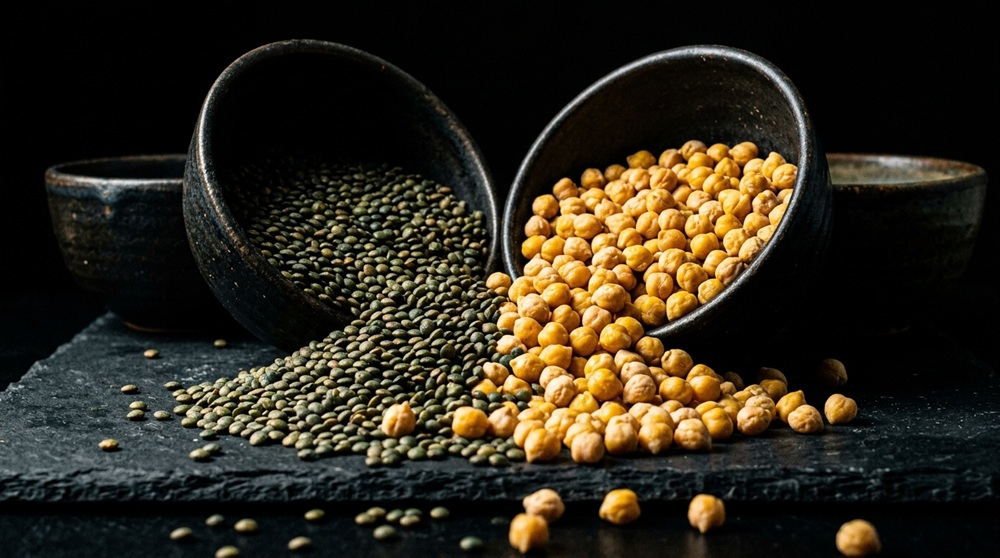
Lentils are one of the most protein-dense plant foods, also offering substantial fiber, making them filling and supportive of digestive health.
Chickpeas and Beans
Chickpeas, black beans, and kidney beans all provide a solid combination of protein and fiber, and work well in soups, salads, and grain bowls.
Tofu and Tempeh
Both soy-based foods offer complete plant protein, with tempeh providing slightly more protein and fiber due to its fermentation process and less-processed form.
Edamame
Edamame offers a convenient, protein-rich snack or meal addition, easily eaten on its own or added to salads and stir-fries.
Quinoa
Unlike most grains, quinoa is a complete protein, containing all nine essential amino acids, making it a valuable plant-based staple.
Nuts and Seeds
Almonds, peanuts, chia seeds, and hemp seeds all contribute meaningful protein alongside healthy fats, making them useful additions to meals and snacks alike.
Nut Butters
Peanut butter, almond butter, and similar spreads offer a convenient way to add protein to toast, smoothies, or fruit.
Protein-Rich Snack Ideas
Hard-Boiled Eggs
A simple, portable snack that delivers protein without any prep required once cooked in advance.
Greek Yogurt With Nuts
Combining Greek yogurt with a handful of nuts creates a quick, protein-and-fat-rich snack that supports lasting fullness.
Roasted Chickpeas
Seasoned and roasted chickpeas offer a crunchy, protein-rich alternative to traditional chips or crackers.
Cheese and Whole Grain Crackers
Pairing cheese with whole grain crackers combines protein with fiber for a satisfying, balanced snack.
Tips for Getting Enough Protein Daily
Include Protein at Every Meal
Rather than concentrating protein into one meal, spreading it evenly throughout the day supports better satiety and more consistent energy levels.
Combine Plant Proteins for Completeness
Pairing plant proteins like rice and beans creates a more complete amino acid profile than either food provides individually.
Plan Ahead With Prepped Proteins
Having cooked proteins like hard-boiled eggs, grilled chicken, or cooked lentils ready in the fridge makes it easier to add protein to meals without extra daily effort.
Final Thoughts
Getting enough protein doesn’t require restrictive diets or expensive supplements—it comes down to consistently including a mix of animal and plant-based sources throughout the day. With a variety of accessible, everyday foods, meeting daily protein needs becomes a simple, sustainable part of regular eating habits.