
Few things are more frustrating than tossing wilted greens or moldy berries just days after buying them. Proper storage can dramatically extend the life of fresh produce, saving money and reducing food waste with just a few simple adjustments.
Understanding Why Produce Spoils Faster
Ethylene Gas and Ripening
Some fruits release ethylene gas as they ripen, which can speed up spoilage in nearby produce. Understanding which foods produce or are sensitive to ethylene helps prevent premature spoilage.
Moisture and Mold
Excess moisture is one of the leading causes of premature spoilage, particularly for leafy greens and berries, since it creates an environment where mold and bacteria thrive.
General Storage Principles
Separate Ethylene Producers From Sensitive Produce
Apples, bananas, and avocados release significant ethylene gas and should be stored away from ethylene-sensitive produce like leafy greens, broccoli, and berries to prevent them from ripening and spoiling too quickly.
Know What Belongs in the Fridge vs. Counter
Not all produce benefits from refrigeration. Tomatoes, potatoes, onions, and garlic tend to last longer at room temperature, while most leafy greens and berries stay fresher in the fridge.
Don’t Wash Until You’re Ready to Use
Washing produce before storing introduces moisture that accelerates spoilage. Washing items just before eating or cooking helps them last longer in storage.
Storing Leafy Greens
Wrap in a Paper Towel
Storing leafy greens in a container or bag lined with a paper towel absorbs excess moisture, significantly extending freshness compared to storing them as-is.
Store in a Breathable Container
Loosely sealed or perforated bags allow airflow, which helps prevent the buildup of moisture that leads to wilting and mold.
Storing Berries
Delay Washing
Since berries are especially prone to mold, waiting to wash them until right before eating helps them last significantly longer in the fridge.
Use a Vinegar Rinse for Extended Freshness
Rinsing berries in a diluted vinegar solution, then drying thoroughly before refrigerating, can help kill mold spores and extend shelf life by several days.
Storing Herbs
Treat Herbs Like Flowers
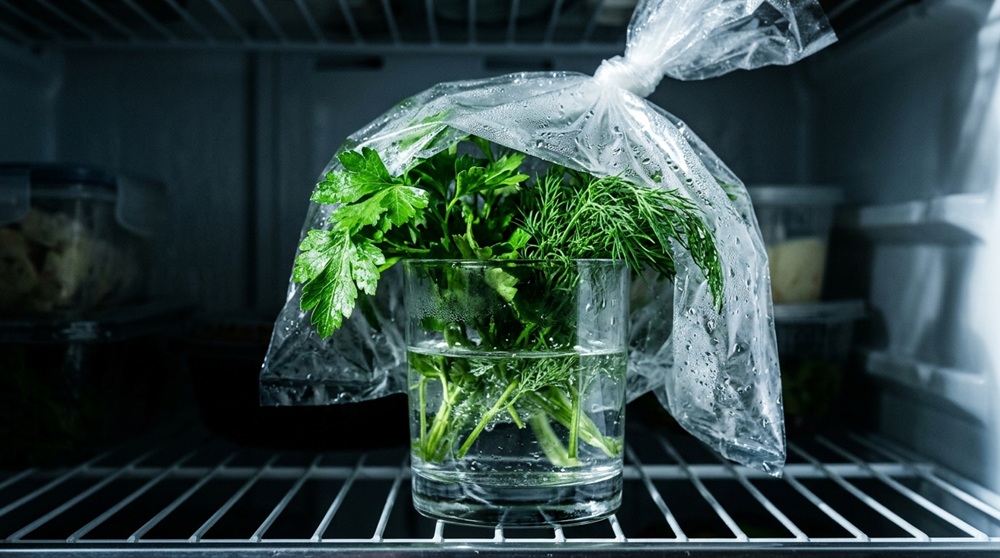
Storing herbs like cilantro and parsley upright in a jar of water, loosely covered with a plastic bag, in the refrigerator keeps them fresh far longer than storing them in their original packaging.
Wrap Hardier Herbs
Herbs like rosemary and thyme last longer when wrapped in a slightly damp paper towel and stored in a bag in the fridge.
Storing Root Vegetables and Alliums
Keep Cool, Dark, and Dry
Potatoes and onions last longest in a cool, dark, well-ventilated space, away from direct sunlight and moisture, which can trigger sprouting or spoilage.
Store Potatoes and Onions Separately
Storing potatoes and onions together can actually accelerate spoilage of both, so keeping them in separate areas helps extend freshness.
Storing Fruits
Ripen on the Counter, Then Refrigerate
Many fruits, like avocados, peaches, and pears, ripen best at room temperature and can then be moved to the fridge to slow down the ripening process once they reach peak ripeness.
Store Citrus in the Fridge
While citrus fruits can survive at room temperature short-term, storing them in the refrigerator’s crisper drawer extends their freshness considerably longer.
Using the Right Storage Equipment
Crisper Drawers Matter
Adjusting humidity settings in crisper drawers—higher humidity for leafy greens, lower humidity for fruits—can meaningfully extend the freshness of stored produce.
Reusable Produce Bags
Breathable, reusable produce bags help regulate moisture better than standard plastic bags, reducing premature spoilage for a variety of fruits and vegetables.
Reducing Waste From Produce That’s Starting to Turn
Freeze Before It Spoils
Vegetables and fruits nearing the end of their freshness can often be frozen for later use in smoothies, soups, or baked goods, preventing unnecessary waste.
Use Soft Produce in Cooking
Slightly overripe fruits and vegetables often work well in cooked dishes, like soups, sauces, or baked goods, even if they’re no longer ideal for eating raw.
Final Thoughts
Extending the life of fresh produce comes down to understanding a few key principles: managing moisture, separating ethylene-sensitive items, and storing each type of produce in the environment it actually needs. With these small adjustments, fewer groceries end up wasted, and meals stay fresher for longer.