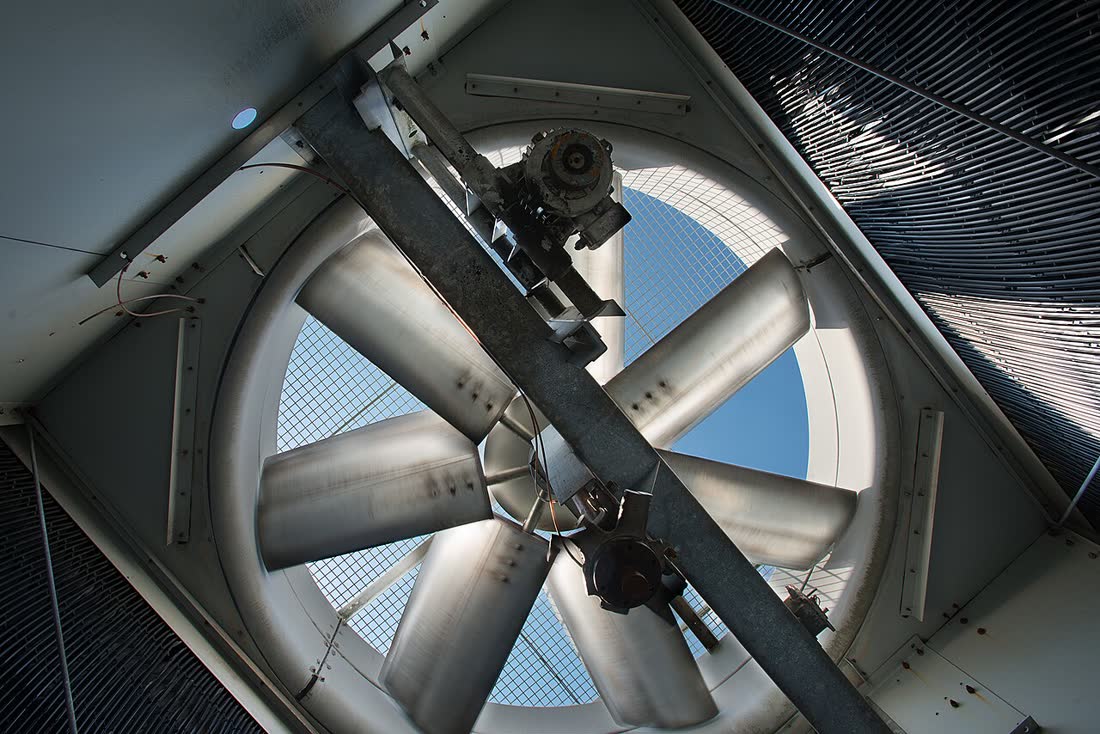
Industrial processes often generate significant amounts of heat that must be managed effectively to maintain operational efficiency and product quality. Cooling systems play a crucial role in this context, and chillers are among the most effective equipment for industrial cooling applications. While purchasing chillers is a traditional approach, chiller rentals have increasingly become a preferred solution for many businesses. This article explores the benefits of renting chillers and why it might be the optimal choice for various industrial cooling requirements.
Cost Efficiency
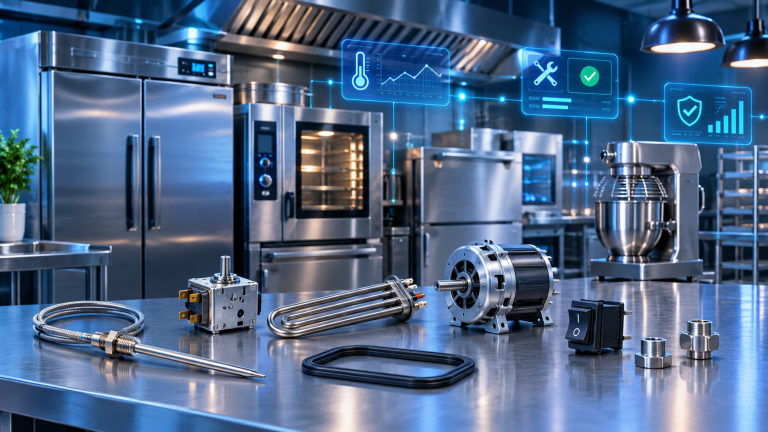
One of the primary advantages of opting for chiller rentals is cost efficiency. Purchasing new chiller units often involves significant capital expenditure, which can impact the financial flexibility of a business. Renting chillers reduces upfront costs, allowing companies to allocate funds to other critical operational areas. Additionally, rental agreements usually include maintenance and servicing, further reducing unexpected expenses. For related reading, see How the Right Food Service Parts Keep Future Restaurants Running.
Flexibility in Capacity and Duration
Industrial cooling demands can fluctuate based on production schedules, seasonal changes, or special projects. Renting chillers offers the flexibility to select units that precisely match current cooling requirements, avoiding the expense and inefficiency of overcapacity. Moreover, rental contracts can be tailored for short-term or long-term use, adapting to the dynamics of the business without a long-term commitment.
Access to Latest Technology
Technology in cooling equipment continually evolves to improve energy efficiency and environmental performance. When chillers are rented, businesses can benefit from access to the latest models without the need to purchase new units regularly. This ensures optimal performance and compliance with environmental regulations while avoiding obsolescence issues associated with owned equipment.
Reduced Maintenance Responsibilities
Maintaining chillers requires technical expertise and can involve significant labour and parts expenses. Rental agreements often include maintenance services, which means the responsibility for upkeep lies with the rental provider. This arrangement minimises downtime risks and ensures the chiller operates efficiently throughout the rental period.
Rapid Deployment for Temporary Needs
Certain industrial projects or emergency situations necessitate quick installation of cooling solutions. Renting chillers enables rapid deployment compared to the extended timelines involved in purchasing, installing, and commissioning new equipment. This responsiveness can be critical for maintaining continuity during peak operational demands or unforeseen equipment failures.
Energy Efficiency and Sustainability
Modern rented chillers typically feature advanced energy-saving technologies, reducing operational costs and environmental impact. Using energy-efficient rental chillers supports sustainability goals by consuming less power and decreasing carbon emissions. Renting also prevents the accumulation of outdated, inefficient machinery on-site, contributing to greener industrial practices.
Scalability for Growing Operations
As industrial operations expand, cooling requirements increase correspondingly. Renting chillers provides scalability, allowing businesses to adjust cooling capacity as needed. This avoids the complexities and costs associated with purchasing additional equipment and integrates seamlessly with evolving production processes.
Risk Mitigation
Investing in high-value chillers carries inherent risks, including equipment failure, technological obsolescence, and market changes. Renting mitigates these risks by transferring equipment ownership and associated liabilities to the rental company. This reduces the financial and operational burdens on the business.
Improved Cash Flow Management
Rental payments are usually structured as periodic fees, which can be budgeted more predictably compared to lump-sum capital purchases. This helps businesses manage cash flow more effectively and allocate resources towards other priorities while still securing access to essential cooling infrastructure.
Expert Consultation and Support
Chiller rental providers often offer expert consultation services to assist clients in selecting the appropriate equipment for their specific cooling needs. This professional support ensures the chosen chiller aligns with process requirements and site conditions, enhancing operational efficiency and reliability.
Temporary Solutions for Maintenance Periods
During scheduled maintenance or repair of owned chillers, renting temporary units can prevent costly downtime. This seamless transition ensures continuous cooling performance without impacting production quality or employee comfort.
Case Applications
Various industries benefit from chiller rentals, including manufacturing, pharmaceuticals, food and beverage processing, and petrochemicals. Each of these sectors experiences specific cooling challenges, and the adaptability of rental chillers makes them well suited to diverse applications.
Event and Seasonal Cooling
Some industrial operations require temporary cooling during events or seasonal peaks. Renting chillers allows businesses to meet these intermittent demands without investing in permanent infrastructure that remains underutilised during off-peak times.
Conclusion
The benefits of renting chillers for industrial cooling are substantial, covering financial, operational, and environmental aspects. Chiller rentals provide cost-effective and flexible solutions tailored to the diverse needs of industrial processes. By accessing up-to-date technology, reducing maintenance burdens, and enabling rapid deployment, businesses can enhance productivity and sustainability effectively. Consequently, rental chillers represent a strategic option for companies seeking reliable and adaptable industrial cooling solutions.