Key Takeaways
- Cold chain resilience depends on qualified facilities, packaging, transportation, monitoring, trained people, and documented response plans.
- Temperature control must extend across every handoff, including loading docks, airport transfers, customs holds, and final delivery.
- Real-time alerts are useful only when teams know who responds, what action to take, and when quality review is required.
- Packaging must be selected for the product, route, season, expected transit time, and plausible delay scenarios.
- Reliable records help organizations investigate excursions, protect product quality, and improve future shipments.
Healthcare products such as vaccines, biologics, specialty medicines, clinical materials, and certain medical devices may require carefully controlled storage and transportation conditions. Organizations evaluating life-sciences logistics priorities can use Kenco as an example of how specialized supply chain needs are addressed in this sector.
A resilient cold chain is more than a refrigerated warehouse or insulated shipping box. It is a connected operating system that anticipates disruptions, maintains visibility in transit, and provides people with clear instructions for protecting products as conditions change.
Why Resilience Matters
Temperature-sensitive products can be exposed to risk even when most of a shipment is handled correctly. A delayed truck pickup, an open freezer door, an airport ramp delay, or an unplanned customs hold can create a weak point in an otherwise sound process. The continued expansion of complex therapies and distributed healthcare delivery makes controlled handling an operational priority rather than a one-time project.
Every product should be handled in accordance with its approved label, package insert, quality agreement, and internal procedures. Controlled room temperature, refrigerated, frozen, and ultra-cold shipments have different requirements, and the correct range always depends on the specific product and its approved handling instructions.
The Main Risks in Healthcare Cold Chains
Cold chain failures often result from several small issues rather than one dramatic event. Extreme heat, freezing weather, storms, flooding, wildfire disruptions, power failures, missed connections, and long loading times can all reduce the margin for error.
Other common risks include incorrect packaging selection, poorly conditioned cooling materials, unclear labels, weak handoff instructions, sensor malfunctions, and gaps in cellular coverage. A shipment may also be delayed when a carrier changes routes, a delivery location is unavailable, or a customs review takes longer than expected. Mapping these risks by lane and season helps teams focus controls where they matter most.
How to Control Temperature From Start to Finish
Effective temperature control begins before a product leaves the facility. Teams should confirm the approved temperature range and any permitted exposure limits, then map the shipment from release through final receipt. The map should identify every point where product could wait outside a controlled environment.
- Qualify storage areas, vehicles, containers, and packaging configurations.
- Create clear procedures for staging, loading, unloading, and transfers.
- Review route conditions, local weather, and expected transit time before approving the shipment.
- Set limits for how long packages can remain at each handoff point.
- Test new routes and packaging systems with controlled shipments before wider use.
The Role of Monitoring and Supply Chain Data
Monitoring devices can record temperature and may also capture location, humidity, light exposure, or shock. Passive data loggers provide a shipment history after delivery, while connected devices can provide data during transit and trigger alerts when a defined threshold is exceeded.
For vaccine operations, the CDC storage and handling guidance emphasizes temperature monitoring, documented procedures, and prompt action in the event of a temperature excursion. The same operational principle applies broadly: an alert has value only when the receiving team can investigate quickly, protect the product, and document the decision.
A shared view of shipment status helps warehouse, transportation, quality, and customer service teams act from the same information. Over time, data can reveal repeat problems involving certain lanes, carriers, transfer points, seasons, or packaging configurations.
Choosing Better Packaging
No single packaging system is right for every product or route. Selection should reflect the required temperature range, product sensitivity, shipment size, expected transit duration, likely weather, customs exposure, and the possibility of a delayed final handoff.
- Passive packaging uses insulation and refrigerants, such as gel packs, phase-change materials, or dry ice.
- Active containers use powered temperature-control systems and may be appropriate for certain high-value or long-duration shipments.
- Insulated shippers can support shorter or well-characterized routes when properly qualified.
- Liquid nitrogen systems may be used for products requiring very low temperatures, subject to applicable safety and transportation requirements.
Packaging qualification should account for both expected conditions and credible worst-case delays. It should also address the availability of cooling materials, return or reuse requirements, cleaning, disposal, and the ability to replace materials if a shipment is held.
Building a Practical Continuity Plan
A continuity plan should identify critical products, routes, suppliers, facilities, and customer locations before a disruption occurs. It should define acceptable delay thresholds, escalation roles, alternate carriers, backup storage sites, spare monitoring devices, and backup power arrangements.
For example, if a winter storm closes a regional airport, the logistics team may move a shipment to a pre-qualified alternate lane. The quality team can review live temperature data, package hold time, and the revised delivery plan before deciding whether the shipment may continue or requires quarantine.
Keeping Compliance and Documentation on Track
Good records should show who handled a shipment, when it moved, where it was stored, and the conditions it experienced. Useful documentation includes standard operating procedures, training records, calibration certificates, route studies, packaging tests, carrier assessments, temperature logs, and excursion reports.
Electronic records should be secure, retrievable, and protected against unauthorized changes. Organizations managing regulated records should also understand the expectations in electronic record requirements when those rules apply to their operations. Regular audits of carriers, storage sites, packaging suppliers, and technology providers can expose gaps before they affect product quality.
A Simple Cold Chain Readiness Scorecard
- Product requirements: Are temperature ranges, exposure limits, and handling instructions clear?
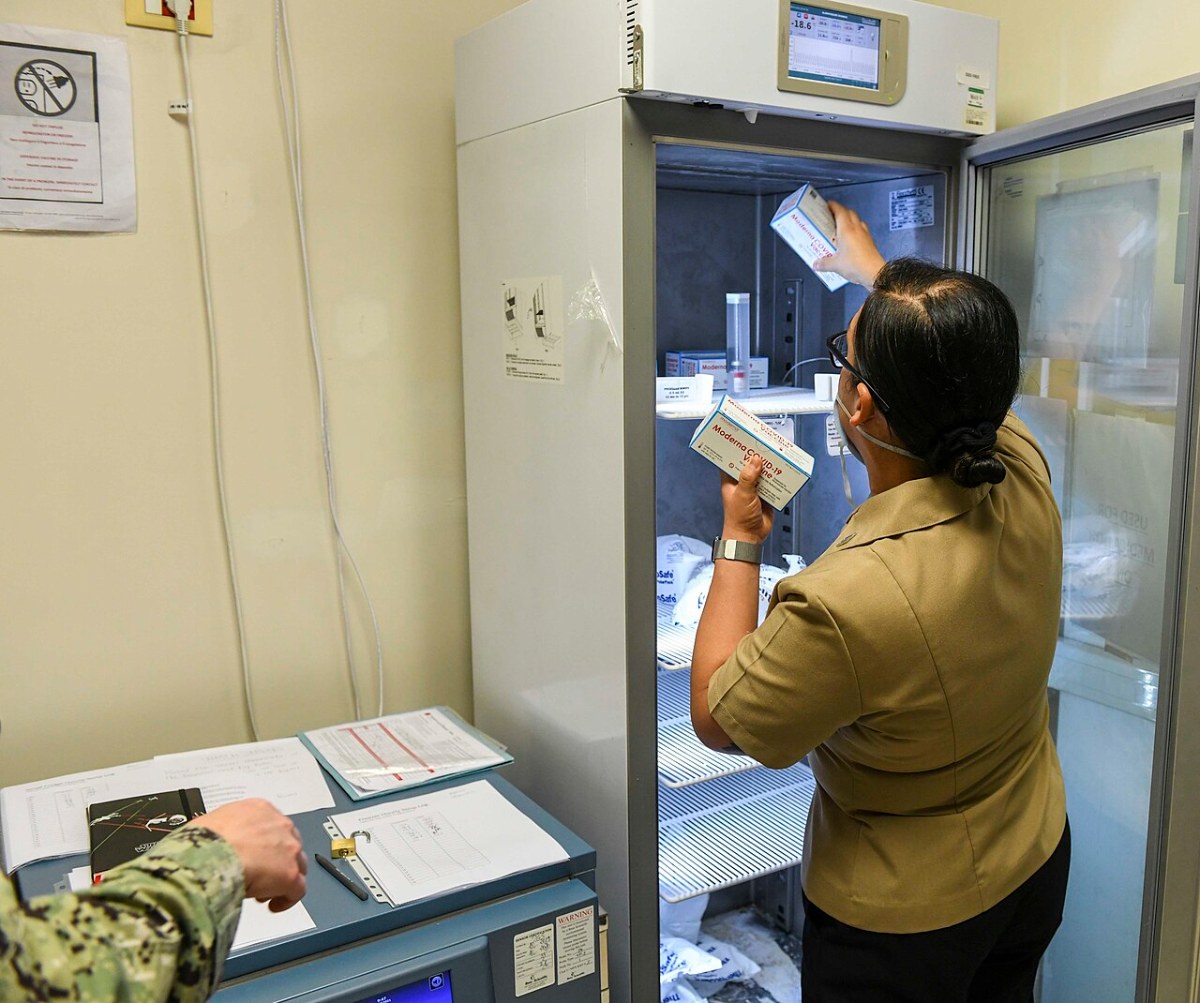
- Facilities: Are storage spaces qualified, monitored, and supported by backup power?
- Transportation: Are routes, carriers, transfer points, and seasonal risks reviewed?
- Packaging: Has the configuration been tested for the planned lane and transit time?
- Visibility: Can the team access temperature and location data when needed?
- Response: Does each team know what to do when an alert, delay, or data gap occurs?
- Documentation: Are records complete, accurate, secure, and easy to retrieve?
Final Thoughts
Cold chain resilience comes from connected controls. Qualified packaging, reliable monitoring, trained staff, documented procedures, alternative options, and timely quality decisions work best as a single system. In 2026, healthcare organizations can strengthen product protection by reviewing every handoff, testing response plans, and using each shipment event to improve the next one.