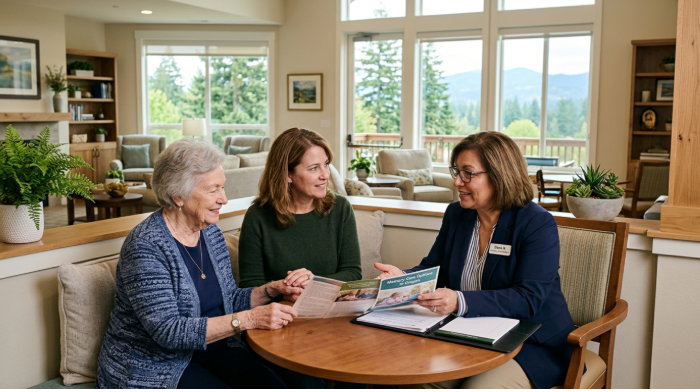
If you’re not sure where to begin, finding the right place for a parent, spouse, or other loved one living with dementia can be tiring and overwhelming. There are many factors to consider before you can feel good about a decision—from licenses to key staff to normal routines. This guide is broken down into simple and manageable steps to make you aware of what to look for and what questions to ask.
Why Oregon Families Have Unique Options to Consider
Oregon’s approach to senior care includes a wide range of settings, from small residential care homes to large licensed communities. When searching specifically for memory care facilities Oregon families often find that the state’s Department of Human Services maintains public licensing records, making it easier to verify a community’s compliance history before you ever schedule a tour.
What “Memory Care” Actually Means
Not all senior care facilities are suitable for those with dementia. When you find the right memory care assisted living community, you can expect staff to receive training in redirection techniques, secure layouts, and a daily schedule designed to minimize confusion.
Key Differences to Look For
- Secured entry and exit points.
- Staff trained in dementia specific communication techniques
- Fewer staff per resident than expected for senior housing
- Routine to minimise anxiety and agitation.
Step-by-Step Guide to Finding the Right Fit
With the knowledge of what distinguishes real memory care, it should be much easier to search if you do the job in the right order. Here are some tips to help reach a final destination from a huge list of options.
Step 1: Verify Licensing and Inspection History
Before visiting any community, make sure that it is licensed as a memory care or dementia care facility and is not simply an assisted living facility or retirement home. A state inspection report is public knowledge and sometimes highlights issues that aren’t clear during an inspection that lasts only a day.
Step 2: Understand the Scale of the Need in Oregon
This isn’t a niche concern. The Alzheimer’s Association’s Oregon and Southwest Washington Chapter says there are more than 79,000 Oregonians who are already living with Alzheimer’s. That’s why the state has prioritized increasing the number of licensed memory care facilities over the last 10 years, and why taking the time to research quality today will save you time later.
Step 3: Tour With a Checklist, Not Just a Gut Feeling
Simple to be distracted by an attractive lobby or a warm welcome. The Checklist allows you to structure the evaluation in terms of relevance to daily life.
| What to Observe | Why It Matters |
| Cleanliness and odor control | Reflects daily staffing adequacy |
| Resident engagement during your visit | Shows whether activities are genuinely happening |
| Staff interactions with residents | Reveals patience and training quality |
| Meal and dining setup | Indicates attention to nutrition and safety |
| Security measures | Confirms wandering prevention is taken seriously |
Step 4: Ask About Daily Programming
Quality memory care is more than just supervision; it is engagement. Have each community share what its typical day looks like and what forms of memory care activities are provided, including music therapy, sensory stimulation, gentle movement classes, or reminiscence therapy based on residents’ pasts.
Step 5: Compare Costs and Payment Options Honestly
The cost of memory care in Oregon can range from one facility to another, but the cost of care does not necessarily reflect the actual cost. If you are going to compare communities side by side, you need to examine the entire price revelation and not individual monthly rates.
- Ask for a breakdown of rent and care level charges
- Question how often rates are increased and what the typical reasons are.
- Ensure that community fees or move-in fees will be returned.
- Verify whether long-term care insurance, veterans’ or Medicaid waivers are accepted
Step 6: Consider the Right Level of Care for Right Now
Not all seniors require full memory care services at this time. Some of them will benefit from an independent senior living arrangement with monitoring for signs of memory loss, and some will benefit more from senior living apartments equipped with extra services prior to an actual memory care move. It’s essential to be realistic about what is needed right now, and not how much will be needed in the future.
Step 7: Talk to Current Families, Not Just Staff
Ask the community to connect you with a current resident’s family member. Families will naturally see the strengths highlighted by staff, but the on-the-ground experience of living it can provide a more well-rounded picture of what to expect.
Conclusion
While it’s important to find the right memory care community in Oregon, the search process can be less stressful when you take a few steps and discuss the Oregon community that you’re interested in. It’s not just about the amenities; it is about creating a home where your loved one feels safe, active, and truly cared for.