

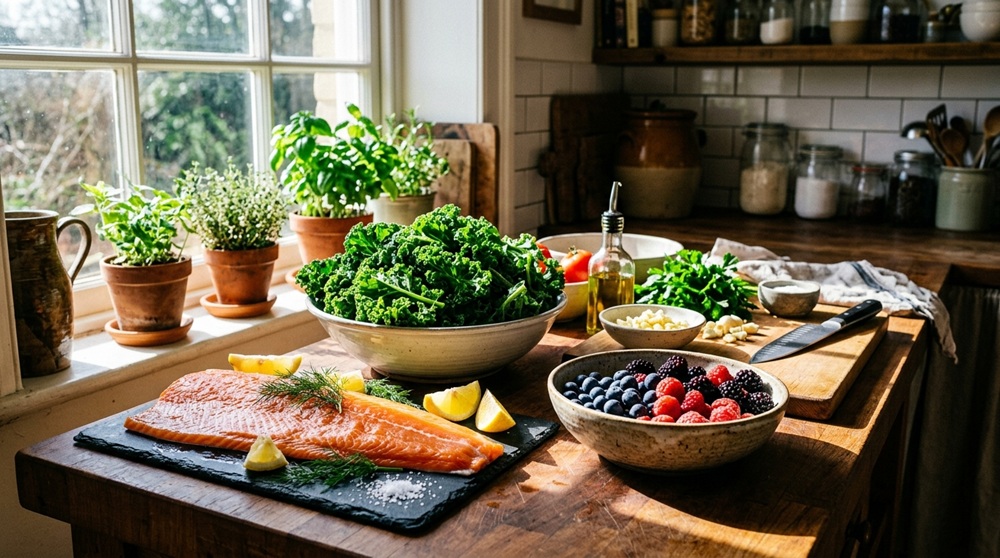
Between packed schedules and long workdays, healthy eating often becomes the first thing to slip. Meal planning solves this problem by shifting decision-making from the exhausting end of the day to a single, focused planning session—making healthy choices the default rather than the exception.
Why Meal Planning Works
Removes Daily Decision Fatigue
Deciding what to eat multiple times a day adds up. Planning meals in advance eliminates repetitive decision-making, making it easier to stick with healthier choices even during busy or stressful weeks.
Reduces Reliance on Convenience Food
Without a plan, tired evenings often default to takeout or processed convenience food. Having meals ready in advance removes that temptation before it becomes a decision at all.
Getting Started With Meal Planning
Choose a Planning Day
Setting aside a consistent day each week—often a weekend—for planning, shopping, and prepping creates a routine that becomes easier to maintain over time.
Start Simple
Beginning with just a few planned meals per week, rather than overhauling every meal at once, makes the habit more sustainable and less overwhelming.
Build a Rotating Meal List
Creating a list of 10–15 go-to meals you enjoy eliminates the need to brainstorm from scratch every week, while still offering enough variety to avoid monotony.
Efficient Grocery Shopping
Shop With a List
A detailed grocery list based on your planned meals prevents impulse purchases and reduces the number of store trips needed during the week.
Buy in Bulk for Staples
Purchasing pantry staples like grains, canned goods, and proteins in bulk saves both time and money, especially for ingredients used across multiple meals.
Choose Versatile Ingredients
Selecting ingredients that work across multiple recipes—like a protein or vegetable used in several meals—reduces waste and simplifies shopping.
Batch Cooking and Prepping
Cook Proteins in Bulk
Preparing a larger batch of a protein, like grilled chicken or baked tofu, at the start of the week allows for quick, varied meals without cooking from scratch every day.
Prep Vegetables in Advance
Washing, chopping, and portioning vegetables ahead of time significantly cuts down on daily cooking time, making healthy meals faster to assemble.
Cook Once, Eat Twice
Preparing larger portions of dinner intentionally creates built-in leftovers for lunch the next day, cutting cooking time in half for two meals.
Smart Storage Strategies
Use Clear, Portioned Containers
Storing prepped meals or ingredients in clear, labeled containers makes it easy to grab what you need quickly, especially during rushed mornings or lunch breaks.
Freeze Extra Portions
Batch-cooked meals that won’t be eaten within a few days freeze well, creating a backup supply for unexpectedly busy days.
Simplify Breakfast and Lunch
Prep Grab-and-Go Breakfasts
Overnight oats, egg muffins, or pre-portioned smoothie packs allow for a healthy breakfast without any morning prep time.
Build Repeatable Lunch Formulas
A simple formula—protein, grain, vegetable, and sauce—makes lunch prep faster and more flexible than relying on entirely new recipes each time.
Making It Sustainable Long-Term
Keep a Flexible Mindset
Meal plans don’t need to be followed rigidly. Having backup easy meals for unexpectedly busy days prevents the whole system from falling apart after one disrupted week.
Involve Convenience Where Helpful
Pre-cut vegetables, rotisserie chicken, or frozen produce can save time without sacrificing nutrition, especially during particularly demanding weeks.
Review and Adjust
Periodically evaluating what worked and what didn’t helps refine the meal plan over time, keeping it realistic rather than aspirational.
Final Thoughts
Meal planning isn’t about rigid perfection—it’s about removing daily friction so healthy eating becomes the easier choice. With a simple system for planning, shopping, and batch prepping, busy professionals can eat well consistently, even during the most demanding weeks.