Clinical evaluation and medical history
When you suspect memory changes, the road to a diagnosis typically starts with a conversation. Doctors begin by listening closely to the patient, as the subjective experience of memory loss often dictates the speed and focus of further investigations. This process relies on a cooperative approach to understand the scope of symptoms.
Physical and neurological examinations
Physicians conduct a thorough physical and neurological exam to rule out immediate, treatable causes of malaise. This includes assessing movement, sensory functions, and reflexes to verify that persistent cognitive lapses aren't stemming from sensory impairment or systemic physical health issues. Establishing a baseline of physical health is vital for ensuring subsequent mental assessments are accurate and that symptoms are not masked by unrelated ailments.
Gathering comprehensive patient symptom history
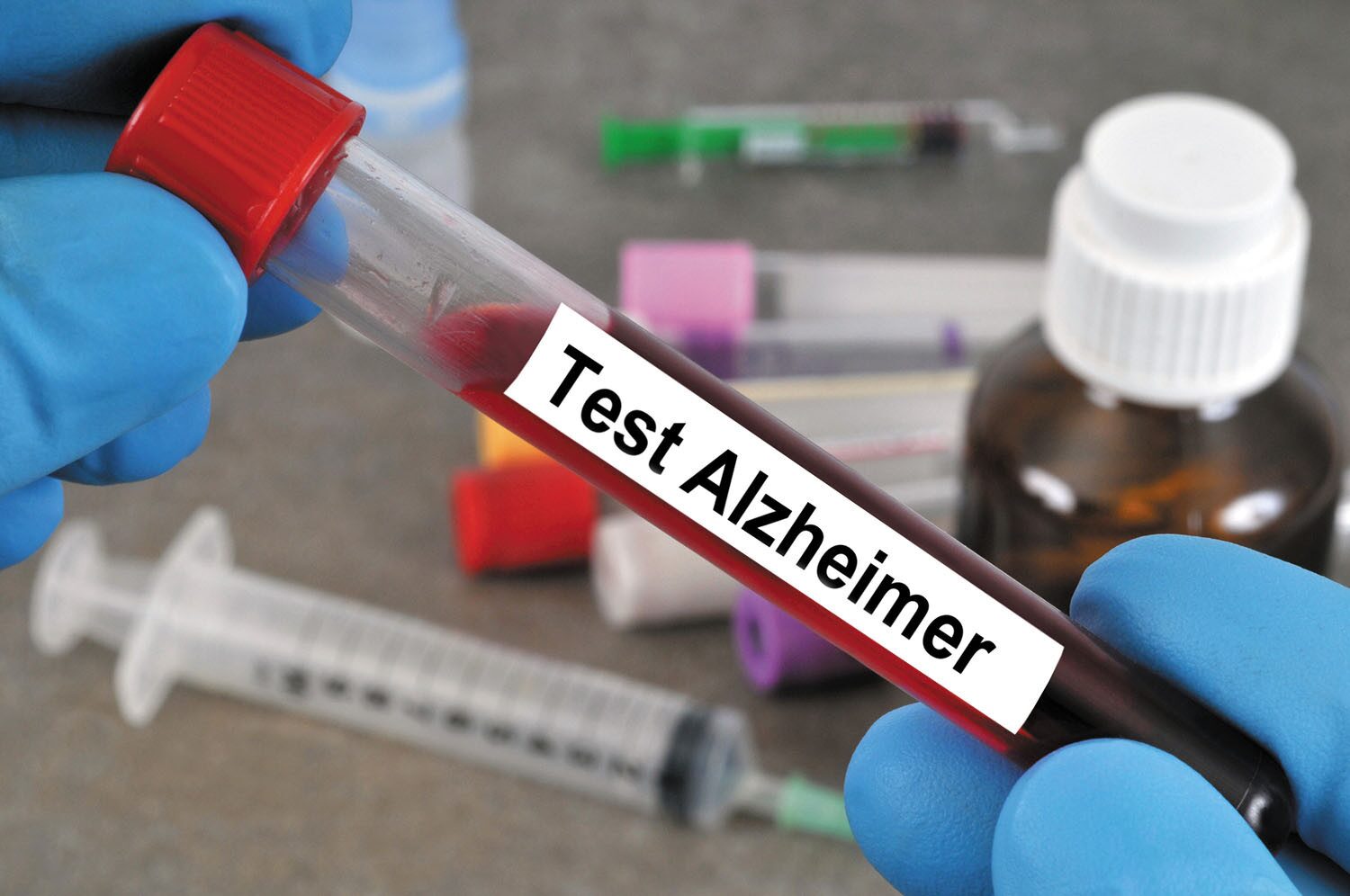
Clinical histories are built by documenting the specific timing, nature, and frequency of cognitive shifts. Physicians look for patterns in memory retrieval, reasoning, and planning, distinguishing between occasional forgetfulness and persistent decline. This narrative provides the context necessary to evaluate whether someone might benefit from an Alzheimer’s blood test to clarify their status.
Incorporating input from caregivers and family members
Because individuals with memory issues may lack the full awareness of their behavioral changes, family members provide essential insights. Caregivers can often detail personality shifts or instances of confusion that the patient might neglect during their own recounting. Their contributions bridge the gap between in-office performance and real-world executive functioning.
Evaluating secondary health conditions that mimic dementia
Memory loss can be triggered by a wide range of factors besides Alzheimer’s disease, including thyroid issues or vitamin deficiencies. A clinical evaluation must identify these secondary contributors to ensure they are addressed first. By treating reversible conditions, doctors clear the path to isolate specific markers of neurodegenerative pathology if symptoms continue.
Cognitive and neuropsychological assessments
The diagnostic journey moves from general history to focused cognitive testing. These systematic assessments help quantify the severity of impairment by comparing a patient's results against age-matched norms. The data collected during these sessions serve as the bedrock for determining whether specific intervention is appropriate.
Utilization of standardized screens like the MMSE and MoCA
Brief screenings like the MMSE or MoCA provide a quick snapshot of overall cognitive orientation, including attention and episodic recall. These tools are often the first step in screening, as they provide a clear threshold for identifying individuals who need a more depth-oriented evaluation. While useful as entry points, they are only segments of a broader diagnostic process.
Conducting comprehensive neuropsychological test batteries
Neuropsychologists perform deep-dive examinations that probe specific cognitive domains such as language, visuospatial skills, and executive functioning. For patients who require more robust verification of their symptoms, specialized tests can be used to gather:
- Detailed memory scoring
- Executive function assessment
- Attention and processing speed tests
- Language fluency and capacity metrics
These batteries allow clinicians to pinpoint specific weaknesses, helping to differentiate between varying forms of cognitive impairment and guiding further biomarker testing.
Interpreting cognitive decline over serial assessments
Serial assessments, performed months apart, tell a story of stability or progression that a single appointment cannot. By tracking performance trajectories, doctors can determine the velocity of impairment, which contributes to the broader clinical picture of brain health. This longitudinal data helps in setting expectations for future care and planning.
Differentiating between normal aging and pathological impairment
Distinguishing between common aging—where processing speed might simply slow down—and pathological decline is a core clinical challenge. Proper testing identifies the presence of significant, functional impairment that crosses the line from age-related changes to genuine neurodegenerative disease. If findings suggest pathology, the ALZ Blood Test can offer more definitive clarity alongside these functional scores.
Advanced neuroimaging techniques
Visualizing the brain allows for a concrete check against the symptoms presented during neuropsychological testing. Modern imaging techniques have evolved to detect signs well before advanced decay becomes visible. These methods transform silent biological markers into clear targets for analysis.
Detecting structural changes via brain MRI
Brain MRIs are primary tools for structural inspection, capturing images that reveal how tissue volume has physically changed over time. They are essential for identifying stroke damage, tumors, or fluid buildup that could explain sudden declines. This step ensures that providers confirm the structural status of the brain before assuming neurodegenerative cause.
Identifying amyloid and tau deposits with PET scanning
PET scanning serves as a powerful instrument for visualizing the presence of amyloid plaques and tau tangles. By tracing these proteins, clinicians see the biological hallmarks of Alzheimer’s disease in real time. This information is a major diagnostic contributor for early detection programs.
Distinguishing Alzheimer’s from vascular dementia through imaging
Imaging helps differentiate between the protein-driven patterns of Alzheimer’s and the circulation-focused damage caused by vascular dementia. Seeing clear evidence of distinct pathologies prevents incorrect treatment plans. This level of granularity is crucial for tailoring the right intervention strategy for every patient.
Assessing regional atrophy in the hippocampus
Atrophy in the hippocampus is a hallmark of early Alzheimer’s, and MRI scans detect this shrinking with high precision. Measuring hippocampal volume helps gauge when a neurodegenerative process is accelerating. This localized view provides a key physical sign that matches up with the cognitive changes reported during assessment.
The role of the pTau217 blood test in modern diagnostics
The ptau217 blood test has fundamentally changed the diagnostic landscape for Alzheimer’s. By making biomarker detection non-invasive and accessible, it lowers the barrier for patients seeking answers about their cognitive trajectory.
Measuring pTau217 as a biomarker for amyloid plaque deposition
Studies show that pTau217 levels in the plasma correlate strongly with the presence of amyloid plaques in the brain. As these proteins accumulate, their levels can be detected in the bloodstream, serving as a reliable surrogate marker for disease pathology. This method captures biological signatures that correlate with established findings.
Comparing blood-based testing to traditional invasive procedures
Before blood biomarkers, confirming plaque existence often required expensive PET scans or invasive lumbar punctures. Blood-based detection simplifies the diagnostic pathway, removing the need for exposure to radiation or surgery for many patients. It serves as an accessible bridge to confirmation, helping individuals make decisions without intense procedural barriers.
Assessing diagnostic accuracy in early-stage cognitive impairment
Accuracy is paramount when dealing with early-stage impairment, where symptoms might still be subtle. Using high-precision immunoassay methods, the test consistently identifies protein patterns associated with the early stages of Alzheimer’s. This data gives clinicians a reliable biological hook during the critical early intervention window.
Current clinical adoption standards for the pTau217 blood test
As standards evolve, the adoption of pTau217 reflects a shift towards more proactive, biomarker-led diagnostics in dementia care. Clinical guidelines now incorporate these tests to support a rapid diagnostic evaluation process. Today, users have the flexibility to seek professional guidance and potentially order Alzheimer’s blood test online as part of their diagnostic planning through appropriate medical channels.
Cerebrospinal fluid analysis
Though blood tests are becoming the baseline, cerebrospinal fluid (CSF) analysis remains the gold standard for some specific diagnostic inquiries. This procedure provides a direct look into the biochemical environment surrounding the brain.
Understanding the procedure for lumbar punctures
Lumbar punctures are used to collect a small volume of fluid from the spinal canal. While patients often worry about the discomfort, modern protocols make this a routine outpatient procedure conducted under local anesthetic to ensure safety.
Measuring ratios of amyloid-beta and tau proteins
The laboratory analysis evaluates the concentrations of specific proteins in the spinal fluid. A lower ratio of amyloid-beta to tau is highly indicative of amyloid pathology in the brain, offering a powerful confirmation of suspected cases.
Weighing clinical benefits against patient risks
Deciding to perform a lumbar puncture involves balancing the potential diagnostic certainty against the patient's individual comfort and tolerance. Physicians review these factors carefully, choosing the procedure only when blood biomarkers leave diagnostic questions unanswered.
Standardizing results for biomarker-based diagnosis
Standardization is critical for CSF analysis to ensure that results are readable across different hospitals and research labs. By following strict collection and handling protocols, laboratories ensure that the diagnosis remains consistent regardless of where the testing process occurs.
Genetic evaluation and risk counseling
Genetic evaluation provides context about the hereditary predisposition to Alzheimer’s, helping families understand their potential risk profile. While genetics alone rarely explain the total picture, they are a significant component of modern neurocognitive risk mapping.
Testing for the APOE-e4 allele and its clinical significance
Testing for the APOE-e4 allele is common in assessing susceptibility, as it is a well-mapped genetic risk factor for late-onset Alzheimer’s. Understanding this status is just one portion of the broader health assessment undertaken by practitioners. It serves as one piece of the puzzle in evaluating overall risk.
Evaluating hereditary patterns in familial Alzheimer’s
In rare cases, Alzheimer’s is driven by clear, autosomal dominant genetic mutations. Families with a pattern of early-onset Alzheimer’s are often referred for genetic testing to identify these specific mutations. Knowing about these patterns can fundamentally alter the management of familial cases.
Providing genetic counseling to high-risk patients
Genetic counseling ensures that patients receive the psychological and informational support necessary to navigate the complexities of test results. Counselors help interpret risk scores while ensuring patients feel empowered to make informed decisions about their lifestyle and healthcare choices.
Understanding the limitations of genetic testing in routine screening
Genetic markers tell you about risk rather than current active pathology. For this reason, broad genetic screening is not standard for every patient, as having a marker does not guarantee illness. Integrating ALZ Blood Test results helps provide a more accurate picture than genetic risk mapping alone.
Frequently Asked Questions
Who should consider getting an Alzheimer’s test?
Individuals who notice consistent, progressive, or unusual changes in their memory, problem-solving abilities, or behavior are typically encouraged to start the process with their primary care physician. Early evaluation is especially vital when these changes interfere with daily tasks at work or home.
Does a positive biomarker test mean I have Alzheimer’s?
No, a positive result indicates the presence of biological markers like amyloid or tau associated with the disease. These results are specific guides for doctors that, when combined with your clinical history, help them identify the cause of your cognitive symptoms rather than serving as a standalone diagnosis.
How are blood tests for Alzheimer’s different from memory screenings?
Cognitive screenings focus on your functional behavior and recall abilities during an office visit or test battery. In contrast, blood tests look at biological proteins in your plasma that provide a physical map of brain health, offering a bridge between functional symptoms and biological evidence.
Will my insurance cover an Alzheimer’s blood test?
Coverage policies for new biomarker tests like those for pTau217 continue to evolve quickly as health systems validate their clinical utility. You should check with your specific insurance provider or the diagnostic lab to understand if a given test is eligible for reimbursement under your current plan.
Is the diagnosis of Alzheimer’s definitive today?
Modern diagnostics, which combine blood biomarkers, imaging, and cognitive testing, have reached a high level of accuracy. By integrating these multiple modalities, clinicians are able to provide a much more definitive outlook than was possible just a decade ago.
Can I prevent Alzheimer’s if I identify it early?
While there is currently no permanent cure, early diagnosis opens the doors to clinical management strategies and potentially emerging therapies. Identifying pathology during the earliest stages of cognitive decline provides the widest window of opportunity to intervene and plan for long-term health.
Is it normal to feel anxious before cognitive testing?
It is common to feel uneasy when facing a diagnostic process that involves memory concerns, and practitioners are trained to make these evaluations as comfortable as possible. Focusing on the goal of getting clarity is a strong approach for managing concerns during your assessment journey.
Simple Steps to Start Today
If you find yourself seeking more definitive information regarding your cognitive health, you can begin the evaluation process with a few deliberate steps. Engaging with reliable diagnostics provides essential data to your healthcare team, helping them understand your current baseline and future needs. Reach out to your provider to inquire about testing eligibility or to finalize your assessment plans, effectively clearing the path for an informed and proactive health conversation.