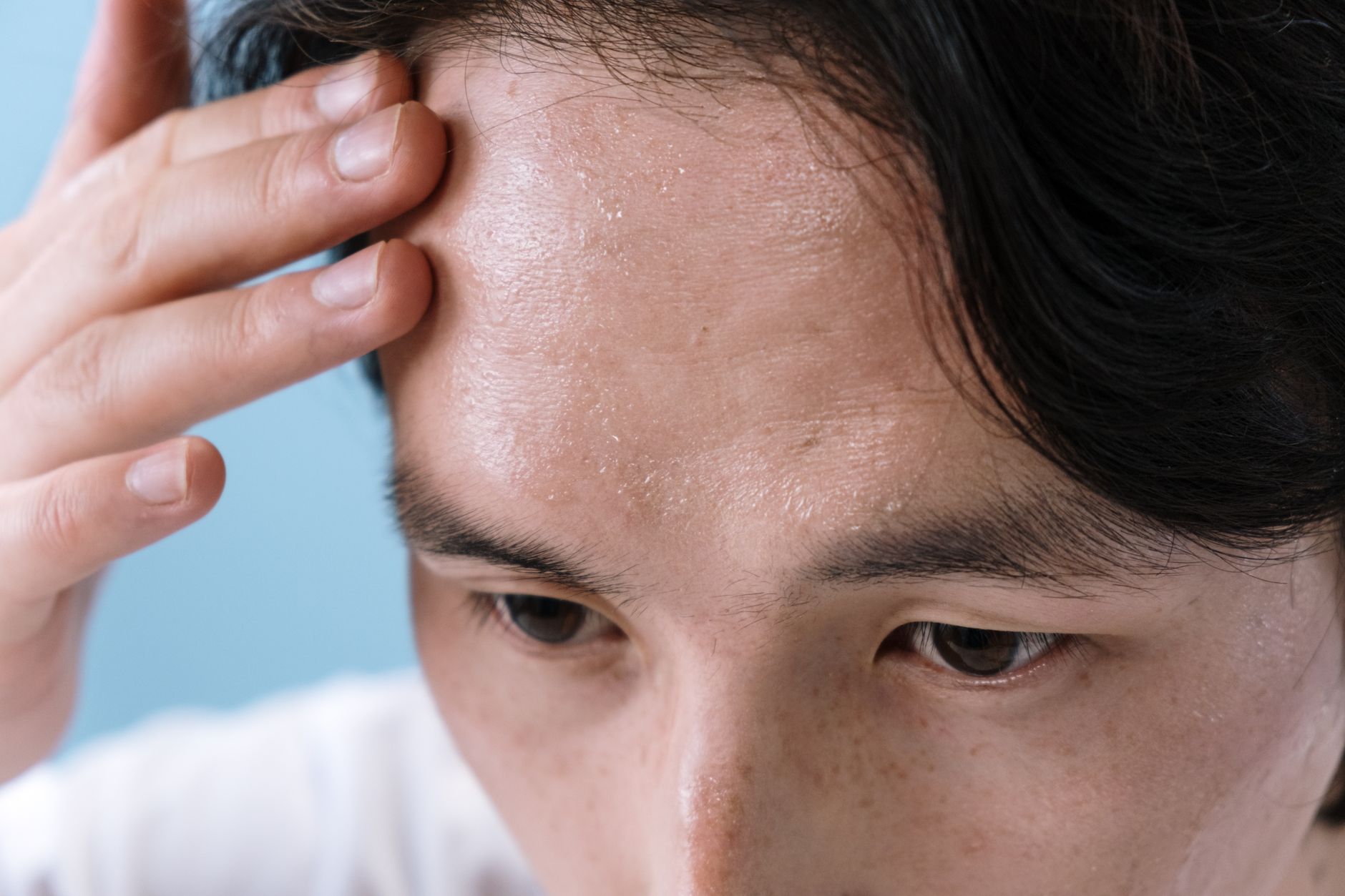
Sweating is one of those things the body does, whether we want it to or not. The triggers are everywhere, from hot weather and intense workouts to stressful situations and normal hormonal shifts. For most parts of the body, sweat is just a normal part of life that gets dealt with through showers and fresh clothes.
But when it comes to vaginal health, sweat plays a more significant role than most women realize. The warm, moist environment that develops when sweat accumulates can throw off the delicate balance of the vaginal microbiome, creating the perfect conditions for irritation, infections, and general discomfort.
Here's what actually happens when sweat and the vagina mix, and how to keep things in balance with lifestyle changes and probiotics for women.
The Vaginal Microbiome and Why It Matters
Before getting into the sweat connection, it helps to understand what the vaginal microbiome actually is. The vagina hosts a community of bacteria, primarily Lactobacillus species, that work together to maintain a slightly acidic pH and protect against harmful microorganisms.
When this balance is healthy, the body fights off potential infections naturally and keeps everything functioning smoothly. When it's disrupted, women can experience bacterial vaginosis, yeast infections, urinary tract infections, and general irritation.
The microbiome is sensitive to changes in temperature, moisture, pH, and the introduction of external substances. This is why so many factors can affect vaginal health. Sweat falls squarely into this category of factors that can shift the balance.
What Sweat Actually Does
Sweat itself is mostly water, but it also contains salt, urea, and trace amounts of other substances. When sweat builds up in the vulvar and vaginal areas, it creates a warm, damp environment that affects the local ecosystem in several ways.
First, the moisture itself creates an ideal breeding ground for yeast. Yeast thrives in warm, wet conditions, which is why so many women experience yeast infections after long workouts, hot summer days, or extended periods in damp clothing. The moisture doesn't cause the yeast, but it gives existing yeast a chance to multiply rapidly.
Second, sweat can shift the pH of the vulvar area. The vagina maintains a slightly acidic pH (around 3.8 to 4.5), and disruptions to this acidity can allow harmful bacteria to grow. Prolonged exposure to sweat can push the pH in directions the body doesn't want, contributing to imbalances.
Third, sweat mixing with bacteria from the skin can introduce microorganisms to areas they don't belong, potentially leading to infections or irritation.
When Sweat Becomes a Problem
The body is generally good at handling short-term changes in moisture and temperature. The problem arises when sweat is allowed to sit against the skin for extended periods.
The classic example is the workout scenario. A solid gym session leaves the entire body sweaty, including the genital area. If those damp workout clothes get peeled off and replaced with fresh, breathable clothing within a reasonable time, the body recovers quickly. If the same sweaty leggings stay on for hours afterward while running errands or grabbing lunch, the warm, damp environment lingers and creates problems.
Similarly, sitting around in a wet swimsuit after pool time, wearing synthetic underwear during hot weather, or staying in tight clothing through a long workday can all extend the period of moisture exposure beyond what the body easily handles.
Practical Tips for Active Women
For women who work out regularly or live in hot climates, a few simple habits go a long way. Pack a change of clothes for the gym so you can change out of workout gear immediately rather than later. Shower as soon as possible after exercise, using only warm water on the vulva area (no harsh soaps).
Choose moisture-wicking fabrics designed for breathability rather than tight synthetics that trap moisture. Skip the panty liners unless absolutely necessary, as they can actually trap moisture against the skin.
For hot summer days, lightweight cotton dresses or loose-fitting clothes allow better airflow than tight pants or shorts. Staying hydrated also helps the body regulate temperature more efficiently and reduces excessive sweating overall.
When to See a Doctor
If sweat-related issues become recurring or symptoms develop that don't resolve with basic hygiene changes, it's worth consulting a gynecologist. Persistent itching, unusual discharge, strong odors, or pain warrant professional evaluation.
Recurring yeast infections or bacterial vaginosis can indicate underlying issues that need more than at-home management. A doctor can help determine whether a specific factor is driving the imbalance and recommend appropriate treatment.
Keeping the Balance
Sweat is a normal part of being human, and avoiding it entirely isn't realistic or healthy. The goal is managing how long sweat sits against the skin and supporting the body's natural processes through good habits.
Breathable clothing, prompt changes after sweaty activities, and a little proactive microbiome support can keep things in balance even during the sweatiest seasons. The body is designed to handle this stuff. It just needs a little cooperation.