When you start looking into cosmetic procedures, the first challenge usually isn’t the treatment itself. It’s sorting hype from useful information. If you live near the coast in Southern California, Del Mar adds another layer to the conversation because appearance-focused care, wellness culture, and access to specialists all intersect there.
What Facial Plastic Surgery Actually Covers
Facial plastic surgery is a broad category, and that matters because people often treat it like one single thing. It isn’t. You may be looking at rhinoplasty, eyelid surgery, facelifts, neck lifts, chin enhancement, brow procedures, or revision work after a previous operation.
Some procedures are cosmetic, meaning you want to change appearance. Others have a functional side too. A nose procedure, for example, can involve both shape and breathing. Eyelid surgery may refresh your appearance while also improving vision if sagging skin is interfering.
You’ll also hear a lot about “subtle results.” That phrase gets tossed around like confetti, but it usually means keeping your facial structure recognizable rather than chasing a dramatically altered look. Good surgical planning often focuses on proportion, balance, and skin quality rather than one isolated feature.
If you’re considering facial plastic surgery in Del Mar, it helps to think less in terms of trends and more in terms of goals. What bothers you in photos may not be the same thing that actually benefits from surgery. Precision beats impulse every time.
How to Tell Whether You’re a Good Candidate
Not every frustration with your appearance calls for surgery. Sometimes the issue is temporary, like dehydration, stress, sun exposure, or volume loss that might respond better to non-surgical treatment. A strong consultation should help you separate those categories.
You’re usually a better candidate when a few things line up:
– You have a specific concern, not just a vague sense that your face looks “off”
– You’re in stable physical health
– You don’t smoke, or you’re willing to stop before and after surgery
– You understand recovery takes time
– You want improvement, not perfection
That last point is a big one. Perfection is a terrible business plan for your face. Even excellent surgery works within the limits of anatomy, skin elasticity, bone structure, and healing patterns.
Age can matter, but not in a simplistic way. A younger patient might consider rhinoplasty or chin augmentation, while an older patient may be more focused on laxity around the jawline or eyelids. What matters more than age alone is whether your concern is structurally suited for surgery and whether your expectations match what the procedure can realistically deliver.
What to Look for During the Consultation Process
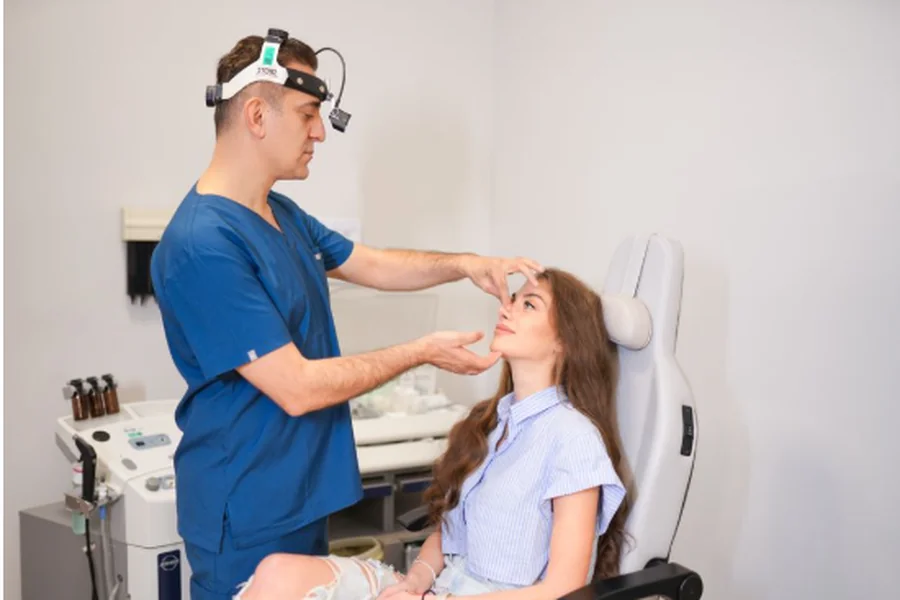
A consultation should feel like a medical evaluation, not a sales pitch with flattering lighting. You want clear explanations, not buzzwords. If a surgeon or clinic can’t explain the procedure, risks, downtime, and expected outcome in plain language, that’s a problem.
Pay attention to how your concerns are handled. Are you being listened to, or gently steered toward something you didn’t ask about? Upselling can show up in aesthetic medicine just like anywhere else, only with more before-and-after photos.
Surgeons will also ask what supplements you are taking. Several common herbal products – ginkgo, garlic, ginseng and high-dose vitamin E among them – can affect bleeding or interact with anaesthesia, which is why most practices ask patients to pause them a week or two before an operation. Bring the bottles, or photographs of the labels, to your pre-op appointment: a label that states the botanical name and the plant part tells your surgeon more than a brand name does. AMPEXT, a US plant-extraction company, publishes a plain-English guide to what supplement labels do and do not disclose.
Useful questions include:
– What procedure best matches my concern?
– Are there non-surgical alternatives worth trying first?
– What does recovery look like day by day?
– What risks are most relevant in my case?
– How often do you perform this procedure?
– What kind of scarring, swelling, or asymmetry should I expect?
You should also review before-and-after images with a critical eye. Look for consistency, not just one spectacular transformation. Results should fit each person’s face rather than making everyone look cut from the same template. That cookie-cutter effect may work for actual cookies. It’s less charming on a human face.
Recovery Is the Part People Underestimate Most
The procedure gets the spotlight, but recovery is where your planning really gets tested. Downtime varies widely depending on what you have done. A minor eyelid procedure may involve a shorter recovery window than a facelift or structural rhinoplasty.
Swelling and bruising are normal, and early healing can look worse before it looks better. That catches people off guard, especially if they expected an immediate polished result. Your face is healing from surgery, not stepping out of a filter.
Practical preparation makes a huge difference:
– Arrange rides if sedation or anesthesia is involved
– Prepare easy meals before surgery
– Keep cold compresses and medications ready
– Block off enough time from work, school, or social events
– Avoid scheduling surgery right before a wedding, vacation, or major presentation
Emotional recovery matters too. Even when you’re happy with your decision, the first week can feel strange. Swelling, temporary tightness, sleeping upright, and seeing your face in a healing phase can mess with your confidence. That’s normal. The goal is to judge results after recovery milestones, not during the puffy intermission.
Cost, Value, and the Real-World Tradeoffs
Cost is part of the decision whether people admit it or not. Facial plastic surgery can be a major investment, and pricing depends on the procedure, surgeon expertise, anesthesia, facility fees, and follow-up care. If a quote seems suspiciously low, there’s usually a reason. Bargain hunting has limits, especially when the purchase is attached to your face.
Value goes beyond the number on the estimate. You should look at:
– Surgeon experience with your exact procedure
– Safety standards in the surgical setting
– Quality of pre-op and post-op support
– Revision policy or follow-up care details
– The likelihood that your chosen procedure actually addresses your concern
It also helps to think in lifestyle terms. Recovery may mean missed work, childcare planning, temporary exercise restrictions, and extra skin care precautions. If you’re active outdoors in a sunny place like Del Mar, sun protection becomes even more important after treatment because healing skin and UV exposure are not a dream team.
The smartest approach usually blends budget awareness with long-term thinking. Paying for skill, planning, and proper care often saves you from the much more expensive frustration of fixing poor work later.
How to Make a Decision You Won’t Regret
A good decision usually feels steady, not rushed. If you’re considering facial plastic surgery because of a breakup, a nasty comment, or one terrible photo taken from ankle level, give yourself time. Short-term emotions can create long-term commitments
Try grounding your choice in specifics. What exactly do you want to change? How long have you felt that way? Have you researched recovery, risk, and alternatives? Can you clearly explain your reason without leaning on somebody else’s opinion?
It can help to write down your goals before a consultation. Keep the list simple:
– The feature that bothers you most
– What improvement would look like to you
– What level of downtime you can handle
– What budget range is realistic
– What result would feel natural, not overdone
You’re not aiming to win a race toward transformation. You’re trying to make an informed choice that fits your health, schedule, and sense of self. When surgery is approached thoughtfully, it can feel less like chasing a new identity and more like refining something that already feels like you. That tends to be the outcome people value most.