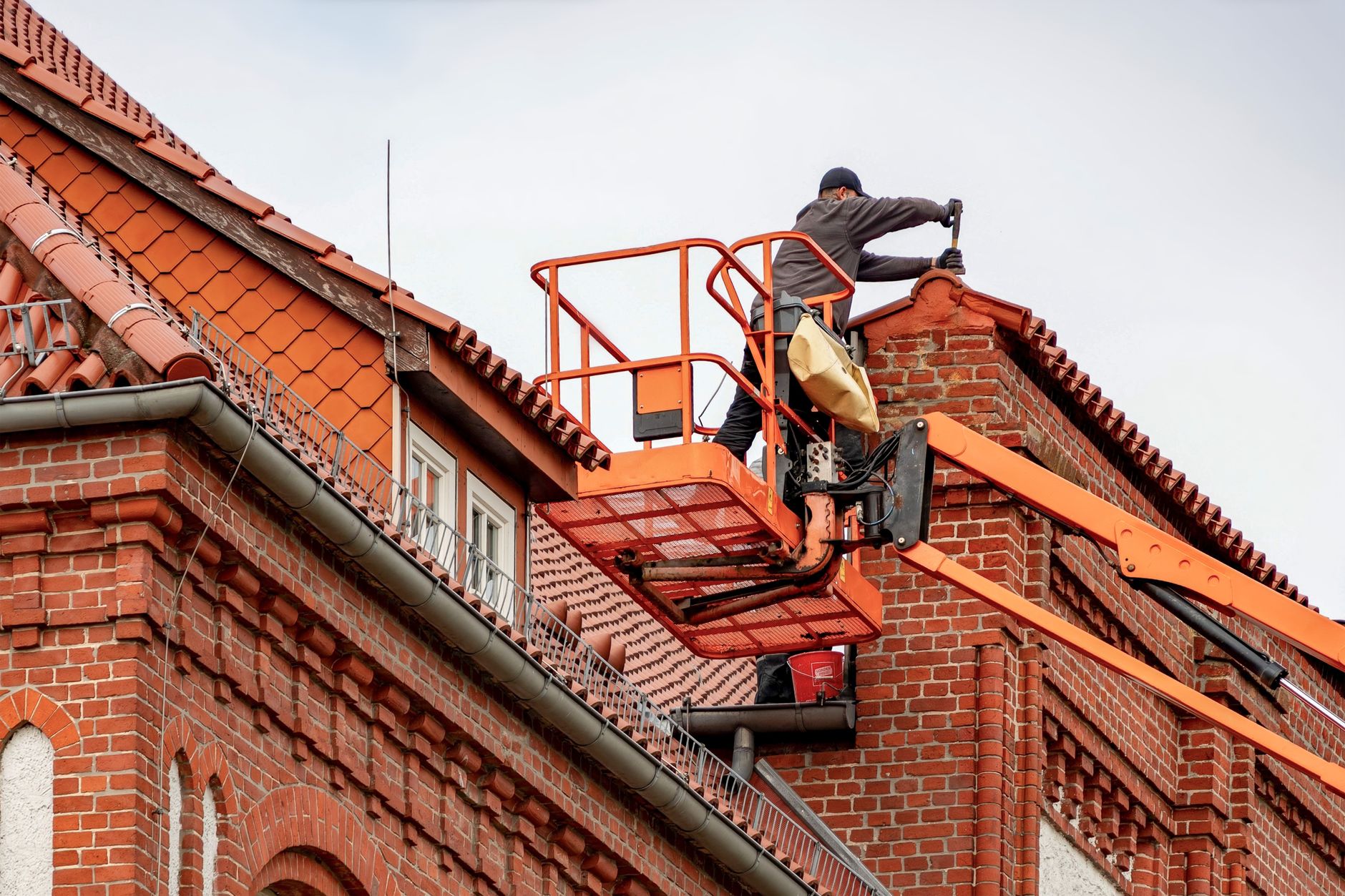
A roof is one of the most important structural components of any building because it protects the interior from weather, improves energy efficiency, and contributes to the overall appearance of the property. Among the many roofing systems available today, flat roofing has become a preferred option for both residential and commercial buildings due to its durability, versatility, and cost-effective performance. Modern flat roofing systems are designed using advanced materials that provide exceptional waterproof protection, long service life, and minimal maintenance when installed correctly.
Although commonly referred to as “flat,” these roofs are actually built with a slight slope that allows rainwater to flow toward drains or gutters efficiently. This design prevents standing water while maintaining the sleek, contemporary appearance that many property owners appreciate. Whether installed on a modern home, office building, warehouse, retail center, or apartment complex, a professionally constructed flat roof provides reliable protection against changing weather conditions while maximizing usable rooftop space.
Unlike older flat roofing systems that were more susceptible to leaks, today’s roofing technologies have significantly improved durability and weather resistance. High-quality membranes, improved insulation, stronger waterproof barriers, and precision installation techniques have made flat roofs one of the most dependable roofing solutions available. With routine inspections and professional maintenance, a flat roofing system can continue protecting a property for several decades.
Why Flat Roofing Continues to Grow in Popularity
Modern architecture increasingly favors clean lines and functional designs, making flat roofs a natural choice for many residential and commercial construction projects. Their simple appearance complements contemporary buildings while allowing greater flexibility in rooftop design. Property owners can utilize flat roofs for outdoor living spaces, rooftop gardens, solar panels, HVAC equipment, or additional storage areas without sacrificing structural integrity.Commercial buildings have relied on flat roofs for many years because they provide convenient access for maintenance while efficiently supporting mechanical systems. Residential homeowners are also discovering the practical benefits of flat roofing, particularly for custom homes that emphasize modern architectural design. The combination of functionality, attractive appearance, and long-term durability continues driving the growing popularity of flat roofing systems across many types of properties.
Understanding Different Flat Roofing Materials
Modern flat roofing systems are available in several materials, each offering unique advantages depending on the building’s requirements and budget. TPO roofing membranes remain one of the most popular choices because they provide excellent energy efficiency, strong resistance to ultraviolet rays, and outstanding durability. EPDM rubber roofing is known for its flexibility, allowing it to perform well during changing temperatures while resisting weather-related damage.PVC roofing systems provide exceptional waterproof protection and chemical resistance, making them an excellent option for many commercial facilities. Modified bitumen roofing combines multiple protective layers that increase durability and improve moisture resistance. Built-up roofing systems continue to offer dependable performance through multiple reinforced layers designed to withstand years of environmental exposure.Professional roofing contractors carefully evaluate the property’s design, drainage requirements, climate conditions, and long-term maintenance expectations before recommending the most suitable flat roofing material. Choosing the correct roofing system helps maximize performance while reducing future repair costs.
The Importance of Professional Installation
Even the highest-quality roofing materials require proper installation to perform effectively. Professional roofing contractors begin by thoroughly inspecting the existing roof deck to ensure it provides a stable foundation for the new roofing system. Damaged decking is repaired or replaced before waterproof membranes, insulation, flashing, and drainage components are installed.Proper seam sealing, flashing installation, and drainage design are essential because even small installation errors can eventually allow moisture to enter the building. Experienced roofing professionals follow manufacturer specifications throughout every stage of construction, ensuring each roofing component works together to create a complete waterproof system. Careful workmanship significantly extends roof lifespan while minimizing future maintenance requirements.
Exceptional Durability and Long Service Life
One of the greatest advantages of flat roofing is its impressive durability when constructed using modern materials and professional installation methods. Today’s roofing membranes are engineered to resist ultraviolet radiation, heavy rainfall, temperature fluctuations, wind exposure, and general environmental wear without deteriorating quickly.High-performance roofing materials remain flexible during seasonal weather changes, reducing the likelihood of cracking or splitting over time. Weather conditions play a major role in long-term structural durability, making material selection essential. Property owners evaluating sloped options alongside flat systems often consider a professional metal roof installation in Kent to handle heavy rainfall while maintaining overall weather resistance. Comparing various protective options helps ensure the selected system suits the specific architectural requirements of the building. Advanced waterproof coatings and reinforced membranes further increase resistance to moisture penetration, helping preserve both the roofing system and the structural components beneath it. With proper maintenance, many flat roofing systems continue providing dependable protection for decades while requiring relatively little upkeep.
Effective Drainage Protects the Entire Roofing System
Proper drainage plays a critical role in the performance of every flat roof. Unlike steeply sloped roofs where water naturally flows away quickly, flat roofs depend on carefully engineered drainage systems that efficiently remove rainwater from the roof surface. Professional contractors install slight roof slopes, internal drains, scuppers, gutters, and downspouts that direct water away from the building before it can accumulate.Routine maintenance helps keep these drainage systems functioning properly by removing leaves, dirt, and debris that could restrict water flow. Preventing standing water reduces unnecessary stress on roofing materials while extending the life of waterproof membranes and minimizing the possibility of leaks or structural damage.
Energy Efficiency Benefits
Modern flat roofing systems contribute significantly to building energy efficiency. Reflective roofing membranes reduce the amount of solar heat absorbed by the roof, helping maintain cooler indoor temperatures during warm weather. Improved insulation further minimizes heat transfer, allowing heating and cooling systems to operate more efficiently throughout the year.Lower energy consumption not only reduces monthly utility bills but also creates a more comfortable indoor environment for occupants. Many property owners also choose to install solar panels on flat roofs because the level surface simplifies installation and allows optimal panel positioning for increased energy production.
Flat Roofing for Residential and Commercial Buildings
One of the greatest advantages of flat roofing is its versatility. It performs exceptionally well on both residential and commercial properties because it adapts to a wide variety of architectural styles and functional requirements. Homeowners appreciate the clean, modern appearance and the opportunity to create rooftop patios, gardens, or outdoor living areas, while commercial property owners benefit from the ability to install HVAC equipment, solar panels, and ventilation systems without affecting the building’s appearance. A professionally installed flat roofing system provides dependable protection while maximizing the usable space available on the roof, making it a practical investment for many different property types.
The Importance of Routine Roof Inspections
Regular roof inspections are essential for preserving the condition and performance of a flat roofing system. Although modern materials are highly durable, exposure to sunlight, rain, wind, and changing temperatures can gradually affect roofing components over time. Professional roofing contractors carefully inspect membranes, flashing, drainage systems, seams, roof penetrations, and insulation to identify developing issues before they become major problems. Early detection allows minor repairs to be completed quickly, helping property owners avoid expensive structural damage and extending the overall lifespan of the roof. Routine inspections also provide peace of mind by ensuring the roofing system continues performing at its highest level throughout every season.
Preventive Maintenance Reduces Future Repair Costs
Preventive maintenance is one of the most effective ways to maximize the life of a flat roof. Property owners should schedule regular maintenance that includes removing leaves, dirt, and debris from the roof surface, cleaning gutters and drains, inspecting flashing, and checking for any signs of membrane wear or damage. Small punctures, loose seams, or blocked drainage systems can often be repaired quickly before moisture reaches the underlying structure. Professional maintenance not only protects the waterproof barrier but also helps reduce long-term repair expenses while maintaining the overall efficiency of the roofing system.
Repairing Flat Roofing Systems
Even the highest-quality roofing systems may eventually require repairs because of aging, severe weather, or accidental damage. Professional roofing contractors use specialized repair techniques designed specifically for flat roofing materials. They repair membrane punctures, reseal seams, replace damaged flashing, improve drainage performance, and restore protective coatings to maintain complete waterproof protection. Prompt repairs prevent water intrusion that could damage insulation, roof decking, ceilings, and structural framing. Addressing roofing issues early helps preserve the integrity of the building while avoiding much more expensive restoration projects in the future.
Increasing Property Value Through Quality Roofing
A professionally installed flat roof enhances both the appearance and value of a property. Modern roofing materials provide a clean architectural style that appeals to homeowners and commercial buyers alike. In addition to improving curb appeal, a durable roofing system demonstrates that the property has been properly maintained, increasing buyer confidence and supporting higher market value. Energy-efficient roofing materials, quality workmanship, and dependable waterproof protection all contribute to the long-term financial value of the property. Whether planning to sell in the future or remain in the building for many years, investing in a quality roofing system continues delivering lasting benefits.
Why Choosing Experienced Roofing Contractors Matters
The performance of any roofing system depends heavily on the experience of the contractor performing the installation. Skilled roofing professionals understand structural design, waterproofing systems, insulation requirements, drainage planning, and manufacturer-approved installation methods. They conduct thorough inspections, recommend the most appropriate roofing materials, explain maintenance requirements, and complete every phase of construction according to recognized industry standards. Their expertise minimizes installation errors while ensuring every component works together efficiently. Choosing experienced roofing contractors provides property owners with confidence that their roofing investment will deliver reliable performance for decades.
Long-Term Benefits of Flat Roofing
Investing in flat roofing offers numerous long-term advantages beyond weather protection alone. Modern roofing systems provide exceptional durability, improved energy efficiency, simplified maintenance, and flexible design options that meet the needs of both residential and commercial properties. Their ability to support rooftop equipment, renewable energy systems, and outdoor living spaces adds even greater functionality without compromising structural performance. Combined with professional installation and routine maintenance, flat roofing continues delivering dependable protection while reducing future repair costs and increasing the overall efficiency of the building.
Conclusion
A professionally installed flat roofing system provides an outstanding combination of durability, efficiency, versatility, and long-term value. Modern materials, advanced waterproofing technology, effective drainage systems, and expert craftsmanship work together to create a roofing solution capable of protecting residential and commercial properties for decades. Regular inspections, preventive maintenance, and timely repairs help preserve the roof’s condition while extending its service life and protecting the entire structure. By choosing experienced roofing professionals and investing in high-quality materials, property owners can enjoy the many benefits of flat roofing, including reliable weather protection, improved energy performance, enhanced property value, and lasting peace of mind.