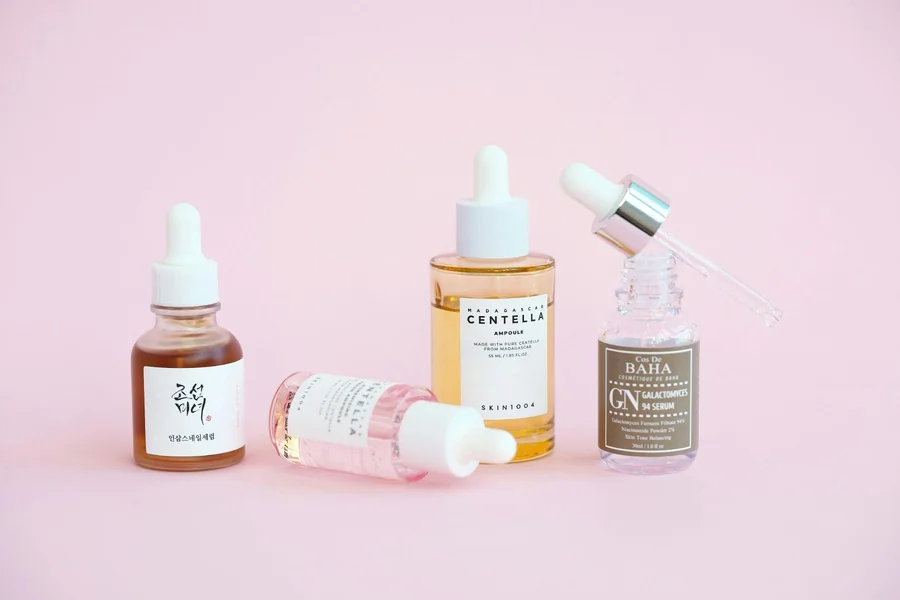
Skincare labels can make a simple moisturizer look like a chemistry exam. Between long ingredient names, percentages, certifications, claims such as “clean” or “natural,” and promises covering everything from hydration to brighter skin, it can be difficult to know which information actually matters.
You do not need to understand every ingredient to make a sensible choice. A better strategy is to read the label with a purpose: identify what the product is designed to do, check whether its ingredients make sense for your skin, and look beyond the marketing language printed prominently on the front.
Start With What the Product Is Supposed to Do
Before studying individual ingredients, decide why you are considering the product.
A cleanser needs to remove unwanted oil, dirt, sunscreen, or makeup without making your skin unnecessarily uncomfortable. A moisturizer should support hydration and the skin barrier. A treatment aimed at acne, pigmentation, or another specific concern requires different ingredients.
This prevents an easy skincare mistake: buying an interesting ingredient without having a problem for it to solve.
A product can contain several fashionable ingredients and still add very little to an existing routine. The question is not simply whether an ingredient is considered beneficial, but whether it serves a useful purpose for your particular skin and routine.
Ingredient Order Provides Useful Clues
Ingredient lists are not random. In the United States, cosmetic ingredients are generally listed in descending order of predominance, although ingredients present at 1% or less have greater flexibility in their ordering.
That means the beginning of the list provides useful information about the foundation of the formula. Water is commonly prominent in many skincare products, followed by ingredients that influence hydration, texture, cleansing, or the way the product spreads.
However, an ingredient appearing near the bottom is not automatically useless. Some ingredients are effective or appropriate at relatively low concentrations.
The list can provide clues about a formula, but it cannot always tell you the exact concentration or predict exactly how your skin will respond.
Don’t Be Frightened by Chemical-Sounding Names
An unfamiliar or difficult-to-pronounce ingredient is not automatically dangerous.
Cosmetic labels use standardized ingredient names, which is why perfectly ordinary substances can look intimidating when written formally. Judging ingredients according to whether their names sound “natural” is therefore not particularly useful.
The reverse assumption can also cause problems. Botanical extracts and essential oils may sound gentle because they come from plants, but natural origin does not guarantee that every person’s skin will tolerate them.
What matters is what the ingredient does, the amount used, how the overall product is formulated, and how your skin responds.
Check for Ingredients You Already Know Cause Problems
Personal history can make a skincare label far more informative.
Someone who has repeatedly reacted to a particular fragrance, preservative, botanical ingredient, or other component has a concrete reason to check for it before trying another product. The same applies when a dermatologist has recommended avoiding particular ingredients.
Sensitive skin deserves particular attention when introducing several new products. If redness or irritation develops after simultaneously changing the cleanser, moisturizer, serum, and sunscreen, identifying the responsible product becomes unnecessarily difficult.
Introduce significant changes individually when practical. That makes both good and bad reactions easier to understand.
Look Beyond Ingredients When Personal Standards Matter
Photo by Avtar Singh on Unsplash
For many people, choosing skincare involves considerations that cannot be answered by checking whether a moisturizer contains glycerin or a cleanser contains a particular surfactant.
Personal, ethical, and religious requirements may influence acceptable ingredients, manufacturing processes, and certifications. Someone seeking products compatible with Islamic requirements, for instance, may need to consider ingredient origins and production standards alongside ordinary questions about skin type and performance.
Understanding these additional considerations is why practical halal skincare tips can be useful when evaluating whether a product aligns with specific requirements rather than assuming that an ordinary ingredient list tells the complete story.
The same broader principle applies to other purchasing priorities. Decide which standards genuinely matter to you and investigate those specifically instead of relying on vague front-label terminology.
Treat Big Marketing Claims With Some Caution
The front of the package is designed to sell the product. The back is where the details become more useful.
Words such as “hydrating,” “gentle,” “radiance,” “renewing,” or “revitalizing” may describe the intended effect, but they do not explain whether a formula will work particularly well for your skin.
Specific information is generally more useful. What ingredients are included? How should the product be used? Is it a leave-on or rinse-off formula? Are there warnings or directions that matter?
Also be careful about assuming that a long list of highlighted ingredients means a better product. A simple moisturizer that reliably keeps your skin comfortable may be more useful than an elaborate formula containing numerous fashionable additions.
Sunscreen Labels Require a Different Kind of Attention
When the product is sunscreen, the functional information on the label becomes particularly important.
Rather than choosing purely according to attractive ingredients or texture claims, check the stated SPF and protection information, active UV filters, directions, and water-resistance information when relevant.
Application instructions matter as well. Even an excellent sunscreen cannot provide its intended protection when too little is applied or it is not reapplied appropriately during prolonged outdoor exposure.
The best sunscreen in practical terms is also one you are comfortable using consistently. Texture, finish, compatibility with makeup, and how it feels on your skin can therefore matter because they influence whether the product actually becomes part of your daily routine.
Check the Directions Before Assuming You Know How to Use It
A surprising number of skincare problems come from treating every product as though it should be used in the same way.
Some formulas are designed for daily use. Others may be intended for less frequent application. Certain products should be kept away from the eye area, while others require specific application or storage conditions.
Using more than directed does not necessarily produce faster results.
This becomes particularly important when several active products are already part of the routine. Adding another treatment without considering everything else being applied can create unnecessary irritation.
The directions are not decorative text. Read them before deciding where the product belongs in your routine.
A Good Label Still Can’t Predict Everything
Learning to read labels is useful, but skincare cannot be reduced to finding a perfect ingredient list.
Formulation matters. Concentration matters. The combination of ingredients matters. Your skin matters.
Two moisturizers containing several of the same recognizable ingredients can feel completely different. A highly praised product may work beautifully for thousands of people and still irritate someone else’s skin.
That is why the most useful skincare-label habit is not memorizing an enormous list of supposedly “good” and “bad” ingredients. Start with your goal, understand the major components of the product, check for known personal concerns, consider any standards that matter to you, follow the directions, and pay attention to how your skin responds.
The label can help you make a more informed choice. It just cannot make the choice entirely for you.
What Should You Actually Look for on a Skincare Label?
Photo by Maria Lupan on Unsplash
Skincare labels can make a simple moisturizer look like a chemistry exam. Between long ingredient names, percentages, certifications, claims such as “clean” or “natural,” and promises covering everything from hydration to brighter skin, it can be difficult to know which information actually matters.
You do not need to understand every ingredient to make a sensible choice. A better strategy is to read the label with a purpose: identify what the product is designed to do, check whether its ingredients make sense for your skin, and look beyond the marketing language printed prominently on the front.
Start With What the Product Is Supposed to Do
Before studying individual ingredients, decide why you are considering the product.
A cleanser needs to remove unwanted oil, dirt, sunscreen, or makeup without making your skin unnecessarily uncomfortable. A moisturizer should support hydration and the skin barrier. A treatment aimed at acne, pigmentation, or another specific concern requires different ingredients.
This prevents an easy skincare mistake: buying an interesting ingredient without having a problem for it to solve.
A product can contain several fashionable ingredients and still add very little to an existing routine. The question is not simply whether an ingredient is considered beneficial, but whether it serves a useful purpose for your particular skin and routine.
Ingredient Order Provides Useful Clues
Ingredient lists are not random. In the United States, cosmetic ingredients are generally listed in descending order of predominance, although ingredients present at 1% or less have greater flexibility in their ordering.
That means the beginning of the list provides useful information about the foundation of the formula. Water is commonly prominent in many skincare products, followed by ingredients that influence hydration, texture, cleansing, or the way the product spreads.
However, an ingredient appearing near the bottom is not automatically useless. Some ingredients are effective or appropriate at relatively low concentrations.
The list can provide clues about a formula, but it cannot always tell you the exact concentration or predict exactly how your skin will respond.
Don’t Be Frightened by Chemical-Sounding Names
An unfamiliar or difficult-to-pronounce ingredient is not automatically dangerous.
Cosmetic labels use standardized ingredient names, which is why perfectly ordinary substances can look intimidating when written formally. Judging ingredients according to whether their names sound “natural” is therefore not particularly useful.
The reverse assumption can also cause problems. Botanical extracts and essential oils may sound gentle because they come from plants, but natural origin does not guarantee that every person’s skin will tolerate them.
What matters is what the ingredient does, the amount used, how the overall product is formulated, and how your skin responds.
Check for Ingredients You Already Know Cause Problems
Personal history can make a skincare label far more informative.
Someone who has repeatedly reacted to a particular fragrance, preservative, botanical ingredient, or other component has a concrete reason to check for it before trying another product. The same applies when a dermatologist has recommended avoiding particular ingredients.
Sensitive skin deserves particular attention when introducing several new products. If redness or irritation develops after simultaneously changing the cleanser, moisturizer, serum, and sunscreen, identifying the responsible product becomes unnecessarily difficult.
Introduce significant changes individually when practical. That makes both good and bad reactions easier to understand.
Look Beyond Ingredients When Personal Standards Matter
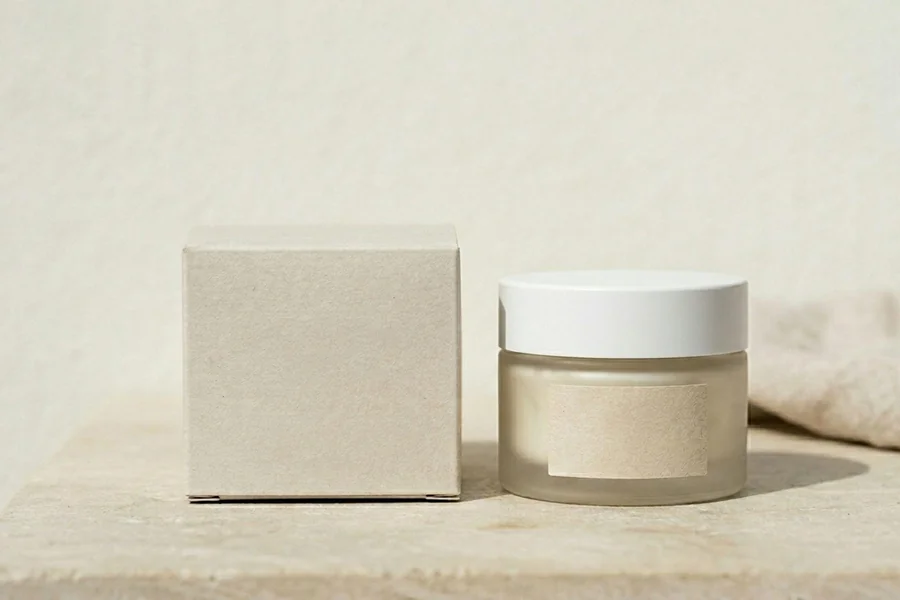
For many people, choosing skincare involves considerations that cannot be answered by checking whether a moisturizer contains glycerin or a cleanser contains a particular surfactant.
Personal, ethical, and religious requirements may influence acceptable ingredients, manufacturing processes, and certifications. Someone seeking products compatible with Islamic requirements, for instance, may need to consider ingredient origins and production standards alongside ordinary questions about skin type and performance.
Understanding these additional considerations is why practical halal skincare tips can be useful when evaluating whether a product aligns with specific requirements rather than assuming that an ordinary ingredient list tells the complete story.
The same broader principle applies to other purchasing priorities. Decide which standards genuinely matter to you and investigate those specifically instead of relying on vague front-label terminology.
Treat Big Marketing Claims With Some Caution
The front of the package is designed to sell the product. The back is where the details become more useful.
Words such as “hydrating,” “gentle,” “radiance,” “renewing,” or “revitalizing” may describe the intended effect, but they do not explain whether a formula will work particularly well for your skin.
Specific information is generally more useful. What ingredients are included? How should the product be used? Is it a leave-on or rinse-off formula? Are there warnings or directions that matter?
Also be careful about assuming that a long list of highlighted ingredients means a better product. A simple moisturizer that reliably keeps your skin comfortable may be more useful than an elaborate formula containing numerous fashionable additions.
Sunscreen Labels Require a Different Kind of Attention
When the product is sunscreen, the functional information on the label becomes particularly important.
Rather than choosing purely according to attractive ingredients or texture claims, check the stated SPF and protection information, active UV filters, directions, and water-resistance information when relevant.
Application instructions matter as well. Even an excellent sunscreen cannot provide its intended protection when too little is applied or it is not reapplied appropriately during prolonged outdoor exposure.
The best sunscreen in practical terms is also one you are comfortable using consistently. Texture, finish, compatibility with makeup, and how it feels on your skin can therefore matter because they influence whether the product actually becomes part of your daily routine.
Check the Directions Before Assuming You Know How to Use It
A surprising number of skincare problems come from treating every product as though it should be used in the same way.
Some formulas are designed for daily use. Others may be intended for less frequent application. Certain products should be kept away from the eye area, while others require specific application or storage conditions.
Using more than directed does not necessarily produce faster results.
This becomes particularly important when several active products are already part of the routine. Adding another treatment without considering everything else being applied can create unnecessary irritation.
The directions are not decorative text. Read them before deciding where the product belongs in your routine.
A Good Label Still Can’t Predict Everything
Learning to read labels is useful, but skincare cannot be reduced to finding a perfect ingredient list.
Formulation matters. Concentration matters. The combination of ingredients matters. Your skin matters.
Two moisturizers containing several of the same recognizable ingredients can feel completely different. A highly praised product may work beautifully for thousands of people and still irritate someone else’s skin.
That is why the most useful skincare-label habit is not memorizing an enormous list of supposedly “good” and “bad” ingredients. Start with your goal, understand the major components of the product, check for known personal concerns, consider any standards that matter to you, follow the directions, and pay attention to how your skin responds.
The label can help you make a more informed choice. It just cannot make the choice entirely for you.