A roof is one of the most important protective components of any home because it shields the interior structure from rain, wind, sunlight, temperature changes, and other outdoor conditions. Choosing an appropriate roofing material can influence durability, appearance, maintenance requirements, energy performance, and long-term property value. Homeowners often compare several roofing options before beginning a replacement or new construction project because each material offers different advantages and considerations. Metal roofing has become a popular choice for homeowners who want a durable exterior covering that can provide dependable protection while offering a wide range of design possibilities. Modern products are available in different profiles, colors, finishes, and materials, allowing homeowners to create an exterior that matches both traditional and contemporary architectural styles. However, selecting a quality material is only one part of a successful roofing project. Proper preparation, installation, flashing, ventilation, drainage, fastening, and routine maintenance are equally important for achieving reliable long-term performance. By understanding these factors before starting a roofing project, homeowners can make better decisions and select a system that meets their practical, aesthetic, and financial requirements.
Understanding the Role of a Quality Roofing System
A roofing system does much more than cover the upper portion of a home. It works as a protective barrier that helps keep water, wind, debris, and other environmental elements away from the structure beneath it. A complete roofing assembly may include the roof deck, underlayment, exterior panels or shingles, flashing, ventilation components, insulation, fasteners, and drainage systems. Each component has a specific purpose, and the performance of one part can affect the performance of the entire system. For example, even a durable exterior surface may experience problems if water is allowed to collect around poorly sealed penetrations or if the underlying deck has existing damage. Homeowners should therefore evaluate roofing as a complete system instead of focusing only on the visible material. Before installation begins, the existing roof should be inspected for signs of moisture damage, deterioration, structural concerns, or inadequate ventilation. Addressing these issues before installing a new roof can help prevent hidden problems from continuing beneath the new surface. A well-planned roofing system can provide better protection, improved appearance, and greater long-term value.
Major Advantages of Metal Roofing
One of the main reasons homeowners consider metal roofing is its combination of durability, versatility, and attractive appearance. Quality panels can provide strong resistance to many common outdoor conditions, including rain, sunlight, wind, and repeated temperature fluctuations. Depending on the selected material and protective coating, the surface can also offer resistance to corrosion and deterioration. Another important advantage is the variety of designs available, allowing homeowners to choose profiles and finishes that complement the architectural character of their property. Standing seam panels can create a clean and modern appearance, while ribbed or corrugated profiles may provide a more traditional or textured look. Products can also be manufactured in numerous colors and finishes, giving homeowners considerable flexibility when planning an exterior renovation. Many systems are relatively lightweight compared with certain heavier roofing materials, which can be another consideration when evaluating an existing structure. However, performance depends on the quality of the product, installation methods, environmental exposure, and ongoing maintenance. Homeowners should therefore evaluate the complete roofing system rather than assuming that every product will provide identical results or the same service life.
Choosing the Right Roofing Material
There are several metal materials available for roofing applications, and each option has different characteristics that should be considered before making a purchase. Steel is commonly selected because it offers strength, availability, and a broad range of finishes. Aluminum can be appealing because it is lightweight and naturally resistant to corrosion, while copper is often selected for its distinctive appearance and ability to develop a natural patina over time. Other specialty materials may also be available depending on project requirements and desired appearance. Homeowners should consider factors such as budget, durability, maintenance expectations, roof design, structural requirements, and desired visual style when comparing materials. Protective coatings are also important because they can influence color retention, corrosion resistance, and surface durability. A high-quality coating can provide an additional layer of protection against outdoor exposure, but homeowners should still follow the manufacturer’s recommendations for care and inspection. Product warranties should also be reviewed carefully because coverage can differ significantly between materials and manufacturers. Selecting a material based on long-term performance rather than initial price alone can help homeowners make a more practical investment and avoid unnecessary replacement costs.
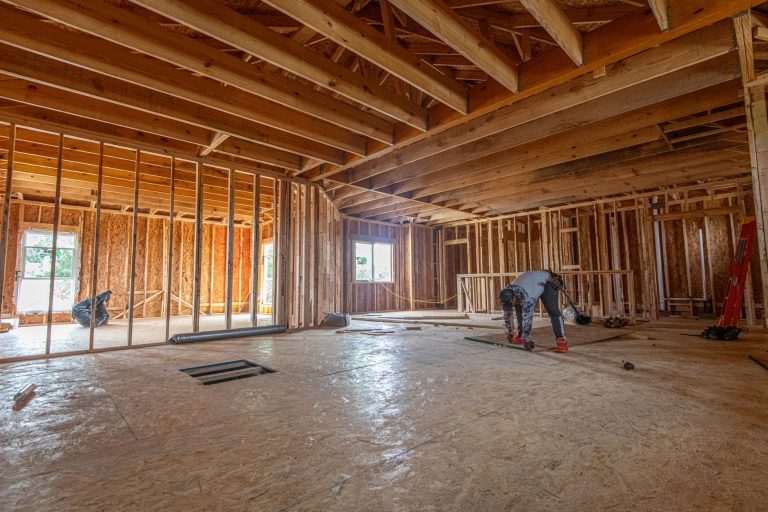
When existing materials show extensive surface wear or structural deterioration, planning a full roof replacement provides an opportunity to upgrade underlying components and improve overall weather protection. Modern installation methods help ensure proper moisture barriers and ventilation, supporting the long-term durability of the entire building structure.
Exploring Different Roofing Profiles and Designs
The appearance of a roof can have a significant influence on the overall character of a home, making profile selection an important part of the planning process. Standing seam designs are often chosen for their clean lines and modern appearance, while exposed-fastener systems can provide a more economical option with a variety of available profiles. Corrugated and ribbed panels can add texture and visual interest, while certain products are designed to resemble traditional roofing materials. Homeowners should consider how the chosen profile will complement the roof pitch, exterior walls, windows, doors, trim, and other architectural features. Color selection is equally important because the roof can represent a large and highly visible portion of the exterior. Neutral shades can create a timeless appearance, while darker or contrasting colors may emphasize specific architectural details. Homeowners should review physical samples whenever possible because colors can appear different under changing natural light conditions. It is also wise to consider long-term appeal rather than selecting a style based only on current trends. A carefully coordinated combination of roof profile, color, trim, and finish can create an attractive appearance that remains appealing for many years while supporting the overall character of the property.
The Importance of Professional Installation
Proper installation is one of the most important factors affecting the durability and performance of metal roofing. Panels must be measured, cut, aligned, fastened, and sealed according to the requirements of the specific product. Incorrect fastening can result in movement, visible irregularities, loose panels, or potential pathways for moisture intrusion. Fasteners must be installed correctly so they provide secure attachment without damaging protective coatings or creating unnecessary stress on the panels. Flashing around roof penetrations, walls, valleys, vents, skylights, and other transitions also requires careful attention because these areas can be particularly vulnerable to water intrusion. Installers must account for thermal expansion and contraction because metal changes slightly as temperatures rise and fall. The installation system should accommodate this natural movement without placing excessive stress on seams, fasteners, or surrounding components. Proper underlayment can provide an additional layer of moisture protection, while appropriate ventilation can help manage temperature and condensation beneath the roof surface. Hiring an experienced professional who understands the selected product and its installation requirements can make a major difference in the final performance, appearance, and service life of the completed roof.
Managing Water Drainage Effectively
Water management is a critical part of any roofing project because uncontrolled runoff can damage the roof, exterior walls, landscaping, and foundation. A properly designed roof should direct rainwater toward appropriate drainage points without allowing water to collect in vulnerable areas. Valleys, roof edges, penetrations, transitions, and low-slope sections require careful planning because water may move differently through these areas. Flashing should be installed correctly around chimneys, vents, skylights, walls, and other openings to reduce the possibility of moisture entering the underlying structure. Gutters and downspouts should also be properly sized and positioned so they can handle the expected amount of runoff from the roof. Blocked gutters can cause water to overflow and collect against exterior walls or near the foundation, so routine cleaning is essential. Downspouts should direct water away from foundation areas whenever possible, while surrounding soil should be graded appropriately to encourage proper drainage. Homeowners should inspect the complete drainage system regularly rather than focusing only on the roof surface. Effective water management can help reduce moisture-related problems and contribute significantly to the long-term performance of the entire exterior structure.
Considering Energy Efficiency and Roof Temperature
The roofing material selected for a property can influence how much solar energy is absorbed by the roof surface, although overall energy performance depends on many components of the building envelope. Certain metal roofing products are available with reflective finishes that can reduce the amount of heat absorbed by the exterior surface. The potential energy benefit depends on factors such as roof color, coating, insulation, attic ventilation, building design, and the efficiency of heating and cooling systems. A reflective roof cannot compensate for poor insulation or significant air leakage, so homeowners should consider the complete building envelope when evaluating energy improvements. During a roof replacement, it may be worthwhile to inspect existing insulation and ventilation to determine whether improvements are needed. Proper attic ventilation can help manage heat and moisture, while adequate insulation can reduce unwanted heat transfer between indoor and outdoor spaces. These components work together to support more consistent interior conditions. Homeowners should discuss energy-related goals with a qualified professional before selecting specific products because the best solution depends on the property’s existing construction. A complete approach can provide more meaningful long-term benefits than focusing only on the visible roof surface.
Maintenance Requirements and Routine Inspections
Although metal roofing is generally considered a low-maintenance option, regular inspection and basic care are still important for preserving its appearance and performance. Homeowners should periodically inspect the roof for damaged panels, loose fasteners, scratches, corrosion, deteriorated coatings, and other visible changes. Areas around flashing, roof penetrations, valleys, ridges, and edges should receive particular attention because these locations contain transitions that can become vulnerable over time. Gutters and downspouts should also be cleaned regularly so water can move away from the roof without unnecessary obstruction. Leaves, branches, dirt, and other debris should not be allowed to remain on the roof for extended periods because they can trap moisture and contribute to surface deterioration. Cleaning should be performed according to the manufacturer’s recommendations, and homeowners should avoid abrasive tools or harsh chemicals that could damage protective finishes. If damage is discovered, it should be evaluated promptly instead of being ignored until a leak or other major problem develops. Regular inspections do not need to be complicated, but they can help homeowners identify minor issues before they become expensive repairs. Consistent maintenance is one of the simplest ways to protect a long-term roofing investment and preserve the appearance of the exterior.
Protecting the Roof From Common Damage
Even a durable roofing material can be damaged by falling branches, severe impacts, improper maintenance activities, and careless handling. Homeowners should monitor nearby trees and remove weak or dangerous branches that could fall onto the roof during strong winds. Workers performing maintenance around chimneys, gutters, vents, or exterior walls should take care not to scratch, dent, or otherwise damage the roof panels. Foot traffic should be limited and performed according to product recommendations because some profiles can be more susceptible to dents or deformation. Ladders should be positioned carefully to prevent unnecessary pressure against roof edges and gutters. Debris should be removed when it accumulates, particularly when organic material can remain damp against the surface. Homeowners should also avoid attaching exterior equipment directly to roof panels unless the installation method is appropriate for the specific system. If damage occurs, repairs should use compatible materials and techniques so the repaired section does not create additional problems. Prompt attention to visible damage can prevent a small issue from developing into a larger moisture or structural concern. Protecting the surface from unnecessary impact can help preserve both its appearance and functional performance over the long term.
Understanding Roof Ventilation
Ventilation is another important component of a complete roofing system because heat and moisture can accumulate beneath the exterior surface when airflow is inadequate. During warm weather, excessive heat in an attic can increase temperatures throughout the roof assembly, while moisture from normal indoor activities can contribute to condensation during cooler periods. Persistent condensation may affect insulation, wood components, fasteners, and other parts of the structure. Proper ventilation typically requires a balanced system that allows fresh air to enter through appropriate intake points and warm or moist air to leave through exhaust openings. However, ventilation must be designed according to the building’s specific construction rather than simply adding vents without considering airflow patterns. When replacing an existing roof, homeowners should ask professionals to evaluate existing ventilation before the new material is installed. Improving ventilation may help protect the roof structure and contribute to more consistent attic conditions. Insulation and air sealing should also be considered because they work together with ventilation to manage heat and moisture. A well-designed roof assembly should therefore address the surface material, drainage, insulation, ventilation, and moisture control as connected components.
Comparing Roofing Costs and Long-Term Value
The initial price of a roofing project is an important consideration, but homeowners should also evaluate long-term value when comparing different materials. A lower-cost system may appear attractive initially but could require more frequent maintenance, repairs, or replacement. A higher-quality system may require a larger initial investment while providing better durability and reduced maintenance over its useful life. Homeowners should request detailed estimates that identify materials, underlayment, flashing, ventilation work, removal of existing roofing, installation labor, trim, disposal, and cleanup. Comparing only the final project price can make it difficult to understand why different estimates vary significantly. Warranty information should also be reviewed because product and workmanship warranties can have different terms, exclusions, and maintenance requirements. Homeowners should ask whether specific installation methods or professional certifications are required to maintain warranty coverage. It is also important to consider potential costs associated with water damage, poor ventilation, or premature deterioration when evaluating the total value of a roof. The most economical option over time is not always the cheapest installation. A balanced decision should consider durability, appearance, maintenance, installation quality, expected service life, and overall protection before selecting a final roofing solution.
Selecting a Qualified Roofing Professional
Choosing the right roofing professional can significantly influence the final quality and performance of the project. Homeowners should look for contractors who have experience with the specific type of roofing system being considered and who understand the manufacturer’s installation requirements. A qualified professional should inspect the existing roof and supporting structure before preparing a final estimate. The written proposal should clearly explain the materials, preparation work, installation process, flashing, underlayment, ventilation, removal of existing materials, disposal, and cleanup. Homeowners can also ask about product warranties, workmanship warranties, previous projects, and maintenance recommendations. Comparing several detailed estimates can help identify differences in materials and services rather than focusing only on the lowest price. Communication is especially important when unexpected problems such as damaged decking or moisture issues are discovered during the project. A reliable professional should explain the condition clearly and provide appropriate options before additional work is performed. Homeowners should also avoid contractors who make unrealistic promises or pressure them into immediate decisions without providing sufficient information. Taking time to select an experienced professional can reduce installation risks and improve confidence in the finished roofing system.
Long-Term Performance and Durability
The long-term performance of metal roofing depends on the interaction between material quality, installation workmanship, maintenance, drainage, ventilation, and environmental exposure. A well-manufactured system can provide a durable surface that remains functional for many years when these factors are properly managed. Protective coatings can help preserve appearance and provide additional resistance against corrosion and weather exposure, while appropriate fastening can help maintain structural security. Regular inspections allow homeowners to identify issues such as loose fasteners, damaged flashing, deteriorated sealants, or surface damage before they become major concerns. Proper drainage prevents water from remaining in vulnerable areas, while adequate ventilation helps manage heat and moisture beneath the roof. Homeowners should also maintain surrounding gutters and downspouts so rainwater can move away from the roof and foundation efficiently. Long-term performance is therefore not determined by the roof material alone. Even a high-quality product requires proper installation and reasonable care to achieve its expected service life. By treating the roof as a complete system and addressing maintenance needs promptly, homeowners can help preserve its protective qualities and appearance over an extended period.
Improving Curb Appeal With the Right Roof Design
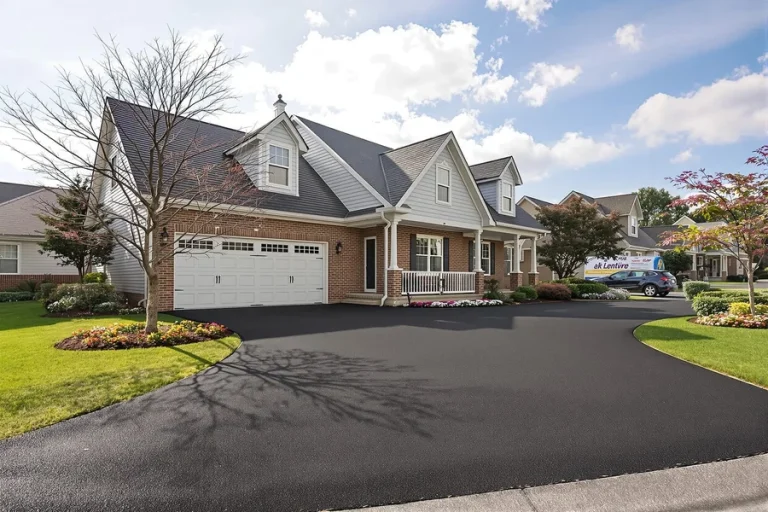
A roofing replacement provides an opportunity to improve both protection and exterior appearance. Because the roof can represent a large and highly visible portion of a property, its color, profile, and finish can strongly influence overall curb appeal. Homeowners should consider how the roof will coordinate with siding, trim, windows, doors, landscaping, and other exterior features. A simple neutral roof can provide a timeless appearance, while a contrasting color can create a stronger architectural statement. Different profiles can also create different visual effects, ranging from sleek and contemporary to traditional and textured. The selected design should complement the structure rather than competing with other exterior elements. Homeowners should consider long-term preferences because a roof is not typically replaced as frequently as smaller decorative features. Quality finishes can also help maintain the chosen appearance by resisting fading and surface deterioration. A well-coordinated roofing design can make the property look cleaner, more balanced, and better maintained. Combining attractive design with durable materials can therefore provide both practical and aesthetic value for homeowners seeking a long-lasting exterior improvement.
Planning for a Successful Roofing Project
Careful planning can make a roofing project more organized and reduce the likelihood of unexpected complications. Homeowners should begin by evaluating the condition of the existing roof and identifying any visible signs of leaks, damaged materials, poor ventilation, or drainage concerns. They should then compare suitable roofing materials, profiles, colors, finishes, warranties, and maintenance requirements. A detailed project scope should explain what will happen to the existing roof, whether damaged decking will be replaced, how flashing will be handled, and what ventilation improvements may be required. Homeowners should also understand how gutters, downspouts, skylights, vents, chimneys, and other features will be integrated into the new roof. Setting a realistic budget should include both expected project costs and a reasonable allowance for hidden conditions that may become visible after old materials are removed. Communication with the contractor should remain clear throughout the process so changes can be discussed before additional work begins. Proper planning can reduce delays and help homeowners understand what they are paying for. A well-organized project is more likely to produce a finished roof that meets expectations for appearance, protection, durability, and long-term performance.
Making a Confident Roofing Decision
Choosing a new roof is a significant investment, so homeowners should take time to compare materials, installation requirements, maintenance expectations, and long-term value. Metal roofing can offer a practical combination of strength, design flexibility, weather resistance, and lasting performance when the right product is selected and professionally installed. Homeowners should review different profiles, colors, finishes, protective coatings, and warranties before making a final decision. The condition of the existing roof deck should also be considered because hidden structural or moisture problems may need attention before new materials are installed. Proper flashing, fastening, underlayment, ventilation, and drainage should be included in the project plan rather than treated as minor details. Homeowners should also understand the maintenance requirements associated with the selected product and establish a routine inspection schedule after installation. Comparing complete project estimates can help identify differences in workmanship and materials while preventing unexpected costs. A carefully planned roof can improve exterior appearance while providing dependable protection against changing weather conditions. By considering both immediate needs and long-term performance, homeowners can make a more informed investment that supports the property’s durability and value.
Final Thoughts on Long-Term Roofing Performance
Selecting a new roof requires careful consideration of durability, appearance, maintenance, installation quality, drainage, ventilation, and overall value. A successful roofing project begins with choosing a material that fits the property’s structural requirements, design preferences, and long-term expectations. Homeowners should avoid making decisions based solely on initial price because workmanship and supporting components can have a major influence on performance. Proper preparation is essential because damaged decking, inadequate ventilation, or existing moisture problems should be addressed before installation begins. Professional workmanship can help ensure that flashing, fasteners, seams, edges, and penetrations are handled correctly. After installation, regular inspections, gutter cleaning, debris removal, and prompt repairs can help preserve the roof’s condition and appearance. A complete approach to roof care can provide greater value than focusing only on the visible surface. With quality materials, careful planning, experienced installation, and consistent maintenance, homeowners can create a dependable roofing system that provides protection and attractive appearance for many years. Taking the time to understand the available options and prioritize proper installation can reduce future repair needs and provide greater confidence in the long-term performance of the completed project.