


Business travel has always been measured in visible costs: flights, hotels, meals, ground transport. But the real return on a trip is rarely found on an expense report. It shows up in whether the right meeting happened, whether a deal moved forward, whether a team came back focused rather than drained.
That’s why travel management matters more than many companies realise. When business trips are planned well, employees spend less time dealing with logistics and more time doing the work they travelled to do. When travel is disorganised, even a short trip can become a chain reaction of delays, stress, missed opportunities, and wasted hours.
In a climate where budgets are watched closely and teams are expected to do more with less, better travel management is no longer an administrative nice-to-have. It’s a productivity tool.
The Hidden Productivity Drain in Poorly Managed Travel
A business trip can look efficient on paper and still be deeply inefficient in practice. An early morning flight that saves £80 may also leave an employee sleep-deprived before a client presentation. A hotel booked far from the meeting site may seem acceptable until you factor in commute time, unreliable transport, and the mental load of navigating an unfamiliar city.
These details are easy to overlook because they sit in the margins of a trip. Yet that’s where productivity is often won or lost.
Time Loss Adds Up Quickly
Consider how much working time disappears when travel isn’t coordinated properly. Employees may spend hours:
- comparing booking options across multiple platforms
- chasing approvals or clarifying policy
- rearranging plans after cancellations or delays
- collecting receipts and correcting expense errors
None of that creates business value. It’s operational friction, and it adds up faster than most organisations expect.
The most productive trips are not necessarily the cheapest or the shortest. They are the ones designed to reduce distractions and support the actual purpose of travel, whether that’s client relationship-building, project delivery, site visits, or team collaboration.
Good Travel Management Protects Energy, Not Just Budgets
There’s a tendency to think about travel management as procurement: negotiating rates, enforcing policy, and controlling spend. Those things matter. But better travel management also protects something less visible and arguably more important—employee energy.
Frequent travellers know the difference between a trip that feels workable and one that feels punishing. Tight connections, poor scheduling, unclear itineraries, and last-minute changes don’t just create inconvenience. They reduce concentration, patience, and decision-making ability. By the time an employee arrives at the meeting that justified the trip in the first place, they may already be operating below their best.
This is one reason more organisations are taking a broader view of business travel management for enterprises. The strongest approaches don’t treat travel as a simple booking exercise. They treat it as an extension of workforce performance, balancing cost control with traveller wellbeing, flexibility, and operational consistency.
Smarter Planning Improves Meeting Outcomes
A well-managed trip creates better conditions for high-value work. That might mean arriving the evening before a major presentation rather than risking same-day delays. It could mean clustering meetings by location to reduce downtime in transit. It may also mean choosing travel options that allow employees to prepare properly instead of simply moving from one logistical problem to the next.
When people arrive calm, informed, and on time, the quality of their interactions improves. That has a direct effect on sales conversations, negotiations, internal workshops, and executive meetings.
Policy Should Enable Better Decisions, Not More Friction
Travel policies often fail for a simple reason: they are designed around restriction rather than practicality. If a policy is too rigid, employees work around it. If it’s too vague, inconsistency creeps in and costs rise anyway.
The best travel management frameworks do something more useful. They establish clear boundaries while leaving enough room for real-world judgement.
What Effective Policy Looks Like
Strong travel policies typically answer a few practical questions clearly:
When Is Travel Worth It?
Not every meeting requires a flight. Productive travel management starts with deciding when in-person contact delivers enough value to justify the time and cost.
What Does “Reasonable” Mean?
Employees need guidance on acceptable choices for flights, rail, accommodation, and transport, but that guidance should reflect the realities of different roles, seniority levels, and trip purposes.
Who Supports Travellers When Plans Change?
Disruption is no longer an exception. Weather, strikes, overbookings, and sudden schedule shifts are now common enough that support systems matter as much as booking tools.
A useful policy reduces decision fatigue. People shouldn’t have to reinvent the process every time they travel.
Better Systems Create Better Visibility
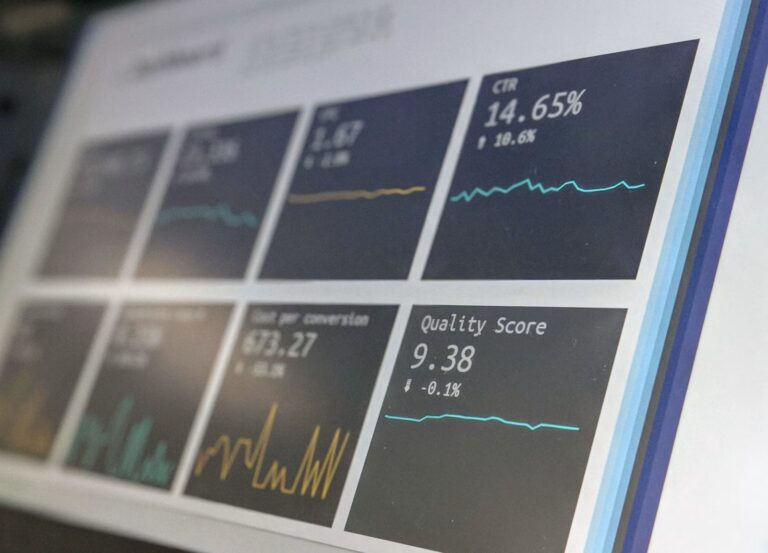
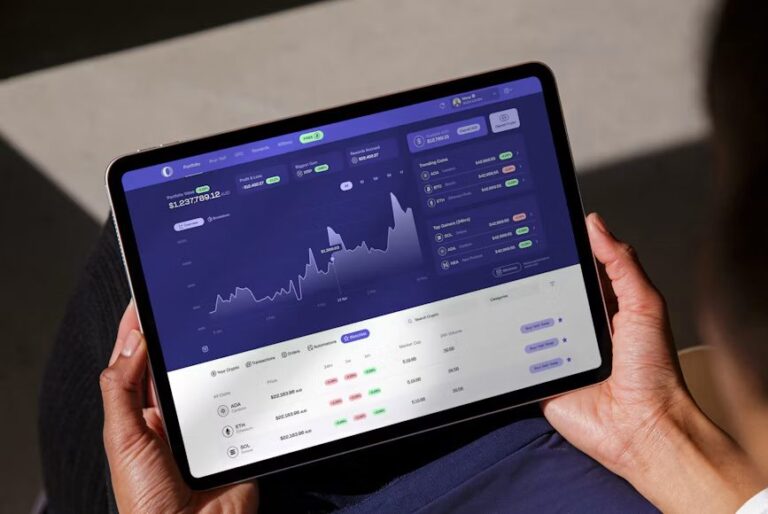
One of the biggest advantages of improved travel management is visibility. Without a coordinated system, companies often don’t know what they are spending, where policy is being ignored, or which travel patterns are actually generating value.
That lack of insight has consequences. It makes forecasting harder, weakens supplier negotiations, and limits a company’s ability to support employees effectively during disruptions.
Data Turns Travel Into a Strategic Function
When travel data is centralised, organisations can start asking better questions. Which routes are regularly booked at the last minute? Which teams travel most often, and why? Are certain trip types producing better commercial outcomes? Where are delays or rebookings most common?
Those insights can shape better decisions over time. They can also help leadership distinguish between travel that is merely habitual and travel that is genuinely productive.
Productive Business Travel Depends on the Traveller Experience
This point is sometimes underestimated: people travel better when they feel supported. That doesn’t mean luxury. It means clarity, consistency, and a process that respects their time.
Employees are more likely to stay focused when they know where to find their itinerary, what to do if a flight changes, how expenses will be handled, and what standards the company expects. That sense of structure reduces mental clutter.
For frequent travellers especially, that matters. A single chaotic trip is frustrating. A pattern of chaotic trips leads to fatigue, disengagement, and, eventually, resistance to travel altogether.
Travel Management Is Really About Performance
At its core, better travel management is not about moving people from one place to another. It’s about making sure the trip serves its purpose.
If travel is meant to strengthen client relationships, support growth, solve problems faster, or bring teams together, then every part of the journey should reinforce those goals. That requires more than booking efficiency. It requires intentional planning, sensible policy, strong support, and a clear understanding of how travel affects performance.
The companies that manage this well tend to get more from every trip. Their employees lose less time, arrive better prepared, and spend more energy on meaningful work rather than avoidable logistics. In a business environment where every hour counts, that’s not a minor operational improvement. It’s a competitive advantage.






1 thought on “Why Better Travel Management Leads to More Productive Business Trips”
Comments are closed.