When your laboratory workflow requires DNA to be removed rather than retained, you may need an enzyme that can digest it. DNase provides a way to break down DNA into smaller fragments, making it useful in research workflows where DNA digestion is needed.
You may encounter DNase when working with samples that contain DNA you do not need for a later step. Some DNase enzymes can act on single-stranded and double-stranded DNA, depending on the enzyme.
If your workflow also involves RNA, an RNase-free form can be especially relevant when you need to digest DNA while carefully handling RNA.
Learning how DNase works can help you see where it may fit within different molecular biology workflows. The sections below explain its function, uses, and applications.
DNase Function and DNA Breakdown

When you use DNase to digest DNA, the enzyme first acts on the DNA molecule and cleaves it at specific points. The cleavage breaks longer DNA molecules into smaller fragments. The two steps below explain how DNase acts on DNA and what happens after cleavage.
1. DNase Acts On DNA
DNase is an enzyme that breaks down DNA. DNase I is one example that can degrade both single-stranded and double-stranded DNA. During DNA digestion, the enzyme cleaves DNA at different points, breaking the longer molecule into smaller pieces.
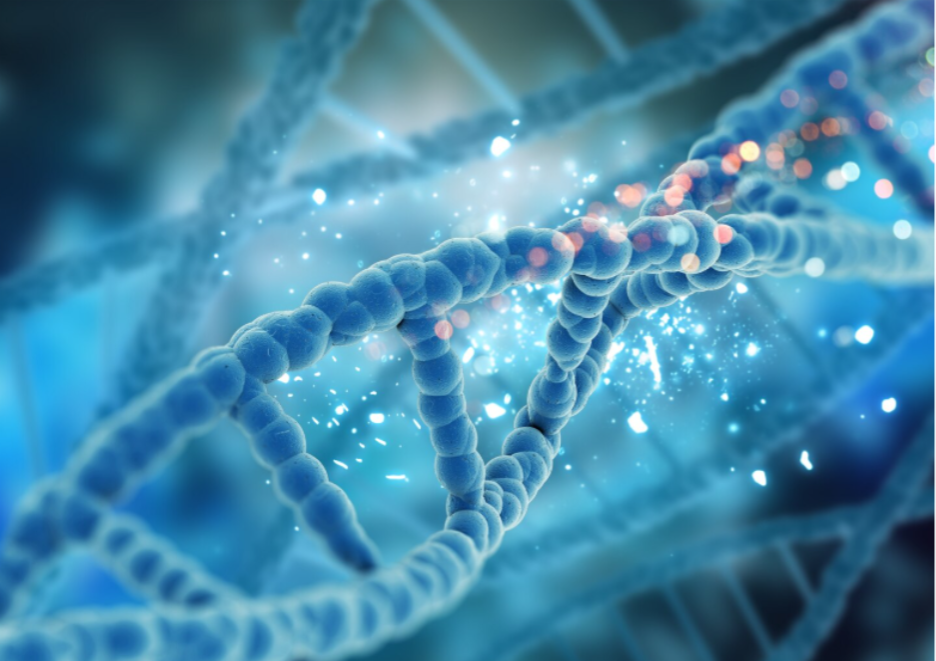
DNA consists of long chains of nucleotides. When DNase acts on these chains, the original DNA molecule begins to break apart. The enzyme therefore provides a way to digest DNA when intact molecules are not needed.
2. DNA Becomes Smaller Fragments
As DNase cleaves DNA, the original molecule is divided into smaller fragments. DNase I can produce 5′ phosphodinucleotide and small oligonucleotide fragments during DNA digestion.
In simple terms, longer DNA molecules become smaller pieces after digestion. These smaller fragments are the main result of DNase activity.
DNase Uses in Research

DNase has several uses in molecular biology research. You may consider it when unwanted DNA is present in a sample or when DNA digestion is needed before a later stage of analysis. The specific use depends on your sample and the purpose of your workflow.
1. DNA Digestion in Laboratory Workflows
DNA digestion is a basic use of DNase. When DNA is not needed for a later stage of your workflow, DNase can break it into smaller fragments through enzyme activity.
For example, you may need to digest DNA that remains in a sample before moving to another step in your workflow. The need for digestion depends on the type of sample and the purpose of the next step.
2. Removal Of Unwanted DNA
DNA can sometimes remain in samples where RNA or another target is needed. Genomic DNA, for example, may remain in an RNA preparation and can affect some downstream analyses.
DNase treatment can be used to digest unwanted DNA before you continue with the next stage of your workflow. The need for DNA removal depends on your sample, the nucleic acid you need to retain, and the purpose of your analysis.
3. RNA Sample Preparation
RNA sample preparation is one area where an RNase-free form of DNase can be especially relevant when you need to digest DNA while carefully handling RNA.
DNase treatment can help address DNA contamination before certain RNA-based analyses. Your choice of enzyme should match the sample, the RNA workflow, and the conditions required for the planned procedure.
DNase Applications in Molecular Biology

DNase can support different molecular biology workflows when unwanted DNA needs to be digested before a later analysis step. Its use can be especially relevant when DNA contamination may affect results from RNA-based or nucleic acid techniques.
1. PCR Workflows
DNase treatment can be relevant when unwanted genomic DNA may affect a reverse transcription PCR workflow. When you prepare RNA for RT-PCR, removing unwanted DNA can help reduce DNA-derived signals affecting later analysis.
The need for DNase depends on the sample and the type of PCR workflow you plan to use. You should consider the possibility of DNA contamination when deciding whether DNase treatment is appropriate.
2. RNA Sequencing
When you prepare samples for RNA sequencing, unwanted genomic DNA may remain alongside the RNA. Recent research on genomic DNA contamination in RNA-seq has shown that genomic DNA contamination can affect RNA-seq results, including transcript quantification, particularly for lower-abundance transcripts.
A 2024 study on DNA contamination in RNA-seq data also examined the detection and effects of genomic DNA contamination during RNA-seq analysis. DNase treatment may therefore be relevant when unwanted DNA needs to be reduced before sequencing.
3. Microbiome Analysis
DNase has also been investigated in microbiome research where extracellular DNA may affect PCR or sequencing-based analysis. A 2024 study on DNase I and extracellular DNA in microbiome research examined DNase I alongside other methods for reducing extracellular DNA in sputum samples used for microbial analysis.
The effect of DNase can vary with the sample and experimental conditions. For that reason, DNase treatment should be considered based on the purpose of the study and the type of analysis being performed.
Bottom Line
DNase can be useful when your research workflow requires DNA to be broken down rather than retained. The enzyme provides a way to digest DNA into smaller fragments for certain molecular biology procedures.
When your work involves RNA, an RNase-free form can be especially relevant when you need to digest DNA while carefully handling RNA. The right choice depends on your sample, the nucleic acids involved, and the purpose of your workflow.