Plumbing problems are not always announced by a burst pipe or water pouring across the floor. Some of the most damaging failures develop slowly behind walls, beneath floors, or underground, where they can remain unnoticed for weeks or even months. By the time obvious signs appear, moisture may already have affected building materials, increased water costs, or created conditions for more extensive damage.
Knowing how pipes fail and what repair options are available makes it easier to respond before a manageable problem becomes a major project. Components available through the Blair Supply USA store illustrate how certain pipe problems can sometimes be addressed with solutions such as clamps and couplings rather than immediate replacement of an entire line. The right approach, however, depends on where the leak is located, what caused it, and the overall condition of the plumbing system.
The Quiet Warning Signs of a Hidden Leak
One of the difficulties with concealed leaks is that the first symptoms may seem unrelated to plumbing. A homeowner might notice a room that feels unusually humid, a faint musty smell, discoloration along a wall, or flooring that begins to warp. None of these signs automatically confirms a leaking pipe, but they can indicate that moisture is reaching places where it should not be.
Water bills can also provide an important clue. If household habits have remained fairly consistent but water consumption suddenly rises, an unseen leak may be responsible. Checking the water meter while all faucets and water-using appliances are turned off can sometimes reveal whether water is continuing to flow through the system.
Sounds can offer another warning. Hissing, dripping, or running-water noises when fixtures are not in use may suggest a problem inside a wall or below the floor. Detecting these signs early is valuable because hidden water can gradually damage drywall, wood, insulation, flooring, and other materials long before water becomes visible.
Why Pipes Develop Leaks in the First Place
Pipe failure can result from many different conditions, which is why finding the cause matters as much as locating the leak itself. Age is one factor. Plumbing materials gradually deteriorate, particularly when they have been exposed to decades of pressure changes, mineral buildup, temperature fluctuations, or corrosive water conditions.
Movement can also contribute to failure. Pipes may expand and contract as water temperatures change, while soil movement or shifting building materials can place additional pressure on buried or concealed lines. Over time, joints may loosen, and small weaknesses can develop into active leaks.
Even relatively new plumbing can experience trouble when connections are poorly installed, pressure is unusually high, or pipes are damaged during nearby construction. A successful repair therefore requires more than stopping visible water. Understanding why the pipe failed helps determine whether the problem is isolated or likely to appear elsewhere in the system.
Choosing a Repair That Matches the Problem
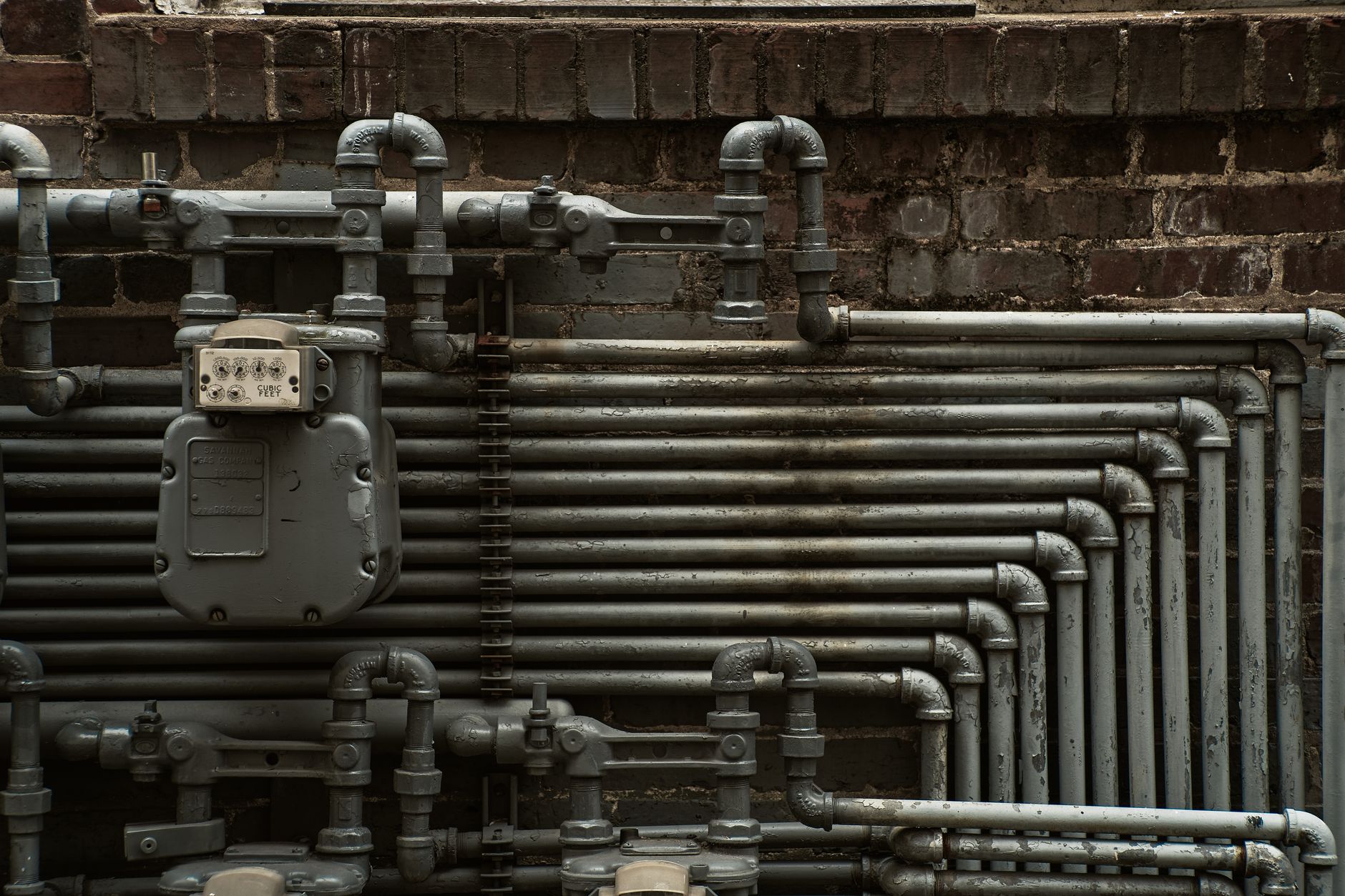
Not every leaking pipe needs to be replaced from end to end. When damage is limited to a small section and the surrounding pipe remains structurally sound, a localized repair may be practical. Repair clamps, for example, can provide a way to seal certain damaged sections, while couplings can connect pipe segments when a compromised portion must be removed.
The material and diameter of the pipe are important when selecting repair components. A fitting designed for one type of pipe may not be appropriate for another, and the repair must be compatible with the operating pressure and conditions of the system. Accessibility also matters. A repair that is straightforward on an exposed pipe may become far more complicated when the same line runs beneath flooring or through a structural surface.
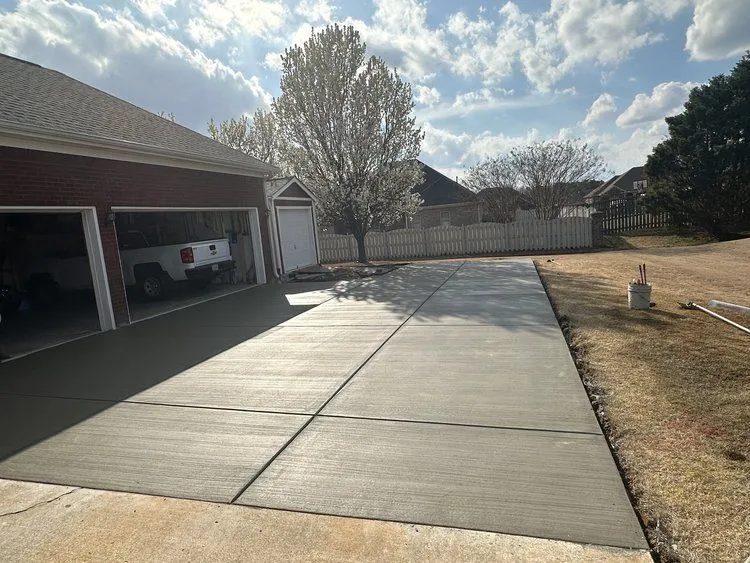
Leaks beneath concrete require especially careful diagnosis because the visible symptom may be far from the actual failure point. Professionals may use specialized detection methods to narrow down the location before deciding whether direct access, rerouting, or another approach makes sense. Information about how these concealed plumbing failures are identified and addressed can be found at www.bobtheplumbersd.com, where slab-related leak detection and repair methods are discussed. Accurate diagnosis can prevent unnecessary demolition and help keep the repair focused on the actual source of the problem.
When a Small Repair Is Not Enough
Localized repairs are useful when the pipe around the damaged area is still in good condition. They become less attractive when corrosion, repeated leaks, or widespread deterioration suggests that the entire line is approaching the end of its useful life.
Multiple repairs within a short period can be a warning that fixing each new leak individually is only postponing a larger problem. In those situations, replacing a longer section of pipe or rerouting the line may provide better long-term reliability. Although the initial cost can be higher, it may reduce the likelihood of repeated opening of walls or floors for future repairs.
The location of the pipe should also influence the decision. Easily accessible plumbing can often be repaired with limited disruption, while buried or concealed lines may justify a more comprehensive solution if reaching them repeatedly would require significant restoration work. The goal is not simply to choose the least expensive repair today, but to consider the likely cost and disruption over the life of the system.
Protecting the Home Before the Next Failure
Routine observation can make hidden plumbing problems easier to catch. Homeowners do not need specialized equipment to notice unexplained increases in water use, changes in water pressure, damp areas, unusual sounds, or recurring stains. Paying attention to these small changes can lead to earlier investigation.
Water pressure is another factor worth monitoring. Excessive pressure places additional strain on pipes, valves, fixtures, and connections. Correcting pressure problems can reduce stress across the plumbing system rather than repeatedly dealing with the damage they create.
Maintaining home plumbing systems often requires balancing immediate leak fixes with long-term preventative care to protect structural integrity. When addressing major utility updates or routine residential maintenance, consulting experienced contractors such as The Frazier Company helps ensure that pipe repairs, heating, and cooling systems work together efficiently without causing unexpected strain on household infrastructure.
Older plumbing may also benefit from periodic professional assessment, particularly when previous leaks have already occurred. Identifying vulnerable materials or deteriorating sections before they fail gives homeowners more control over when and how repairs are completed.
A hidden leak does not automatically mean a major plumbing replacement is necessary. Some failures can be resolved with a carefully chosen clamp, coupling, or localized pipe repair, while others point to a larger issue that requires replacement or rerouting. The most effective solution begins with accurate detection, followed by an honest assessment of the pipe’s condition, location, and likely future performance. Addressing the cause rather than only the symptom can protect the building, reduce wasted water, and make the repair more reliable for years to come.