

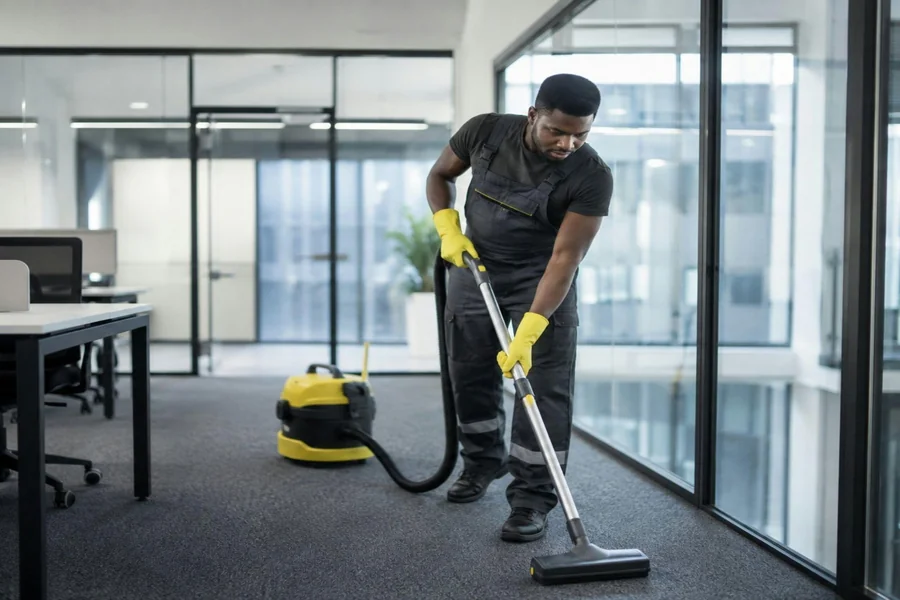
Keeping a commercial space clean is very different from maintaining a home. Offices, stores, warehouses, restaurants, and other business premises may deal with hundreds of people moving through them every day, bringing dirt, moisture, dust, and debris with them.
The right equipment can reduce the amount of manual work required while helping staff maintain a consistent standard. The smartest investments are usually not the most complicated machines available, but the ones matched to the size, flooring, traffic, and everyday cleaning demands of the space.
Start With a Commercial-Grade Vacuum
A dependable vacuum is one of the most versatile investments for businesses with carpets, rugs, entrance areas, or upholstered furniture. Commercial models are designed with frequent use in mind and can make routine cleaning considerably faster than equipment intended primarily for occasional household use.
Choose the type according to the building. Upright models can be practical for large carpeted areas, while backpack or canister vacuums may be easier around desks, furniture, stairs, and tighter spaces.
Pay attention to practical details such as cord length, maneuverability, filtration, replacement parts, and how easily staff can empty and maintain the machine. Equipment that is awkward to use often ends up sitting in storage regardless of its specifications.
Consider a Floor Scrubber for Large Hard-Floor Areas
Mopping remains useful for small spaces, corners, and quick cleanup, but it becomes labor-intensive when employees repeatedly need to clean large expanses of hard flooring. This is where a commercial floor scrubber can become a worthwhile investment.
Businesses comparing machines can use guides which include top rated commercial floor scrubbers as a starting point for evaluating which designs correspond to their floor area and cleaning requirements. A compact walk-behind machine may be sufficient for smaller commercial premises, while much larger open facilities may justify higher-capacity equipment.
The objective should be matching the machine to the actual workload. Buying more capacity than the building requires can create unnecessary storage and maintenance demands, while an undersized machine may force staff to spend too much time refilling tanks and repeating passes.
Add a Wet-Dry Vacuum for Messes Ordinary Vacuums Cannot Handle
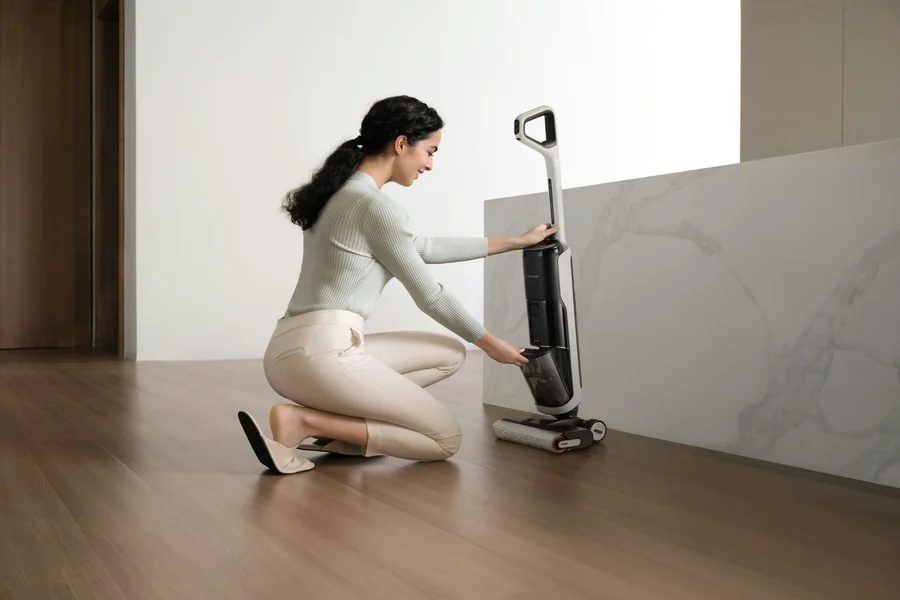
Commercial spaces inevitably encounter cleaning jobs that fall outside the normal daily routine. Spilled liquids, tracked-in rainwater, heavier debris, and maintenance work can all create situations where an ordinary vacuum is unsuitable.
A wet-dry vacuum provides flexibility for these less predictable jobs. It can be particularly useful in workshops, warehouses, utility areas, garages, restaurants, and other spaces where both dry debris and occasional liquid cleanup are common.
Capacity should again match the environment. A smaller unit may be easier to move around a retail store, while a larger facility may benefit from greater capacity and more durable attachments.
Invest in a Good Janitorial Cart and Manual Tools
Not every valuable cleaning investment needs a motor. A well-designed janitorial cart can improve efficiency simply by allowing employees to move supplies, waste bags, cloths, bottles, and manual tools together.
Microfiber cloths, quality mops, brushes, squeegees, dusters, buckets, and wet-floor signs should form the basic toolkit around larger machines. These items remain necessary for corners, stairs, restrooms, spills, and areas that powered equipment cannot easily reach.
Organizing them properly also matters. Staff lose time when cleaning products are stored in several different places or when frequently used tools have to be collected individually before every job.
Use Specialized Equipment Only Where the Work Justifies It
Some commercial spaces benefit from equipment designed for particular surfaces or cleaning problems. Carpet extractors can make sense where extensive carpeting receives heavy use, while pressure washers may be valuable for appropriate outdoor areas and durable surfaces.
Steam-cleaning equipment, floor buffers, burnishers, and other specialized machines can also be worthwhile in the right environment. However, specialized equipment should solve a recurring problem rather than simply expand the cleaning inventory.
Before purchasing, consider how frequently the machine will actually be used. Equipment needed once or twice a year may be more economical to rent or include as part of a professional cleaning service.
Think About Maintenance Before Buying the Machine
The purchase price is only part of what commercial cleaning equipment costs. Brushes, pads, filters, squeegees, batteries, cleaning solutions, repairs, and eventual replacement parts can all affect the long-term value of a machine.
Storage and charging requirements should also be considered before purchasing battery-powered equipment. Staff need enough room to store machines correctly and convenient access to whatever is required for routine maintenance.
Training matters as well. Even good equipment can perform poorly when operators use incorrect pads, cleaning solutions, or settings. Building simple inspection and cleaning procedures into the routine helps protect the investment and keeps equipment ready for the next shift.
The best commercial cleaning setup is therefore usually a combination rather than a single expensive machine. A commercial vacuum, appropriate floor-cleaning equipment, wet-dry vacuum, organized manual tools, and carefully selected specialist machines can cover most routine demands. Investing according to the building’s actual workload makes it much easier to keep the space consistently clean without paying for equipment that rarely leaves the storage room.










1 thought on “What Cleaning Equipment Is Worth Investing In for a Commercial Space?”
Comments are closed.