

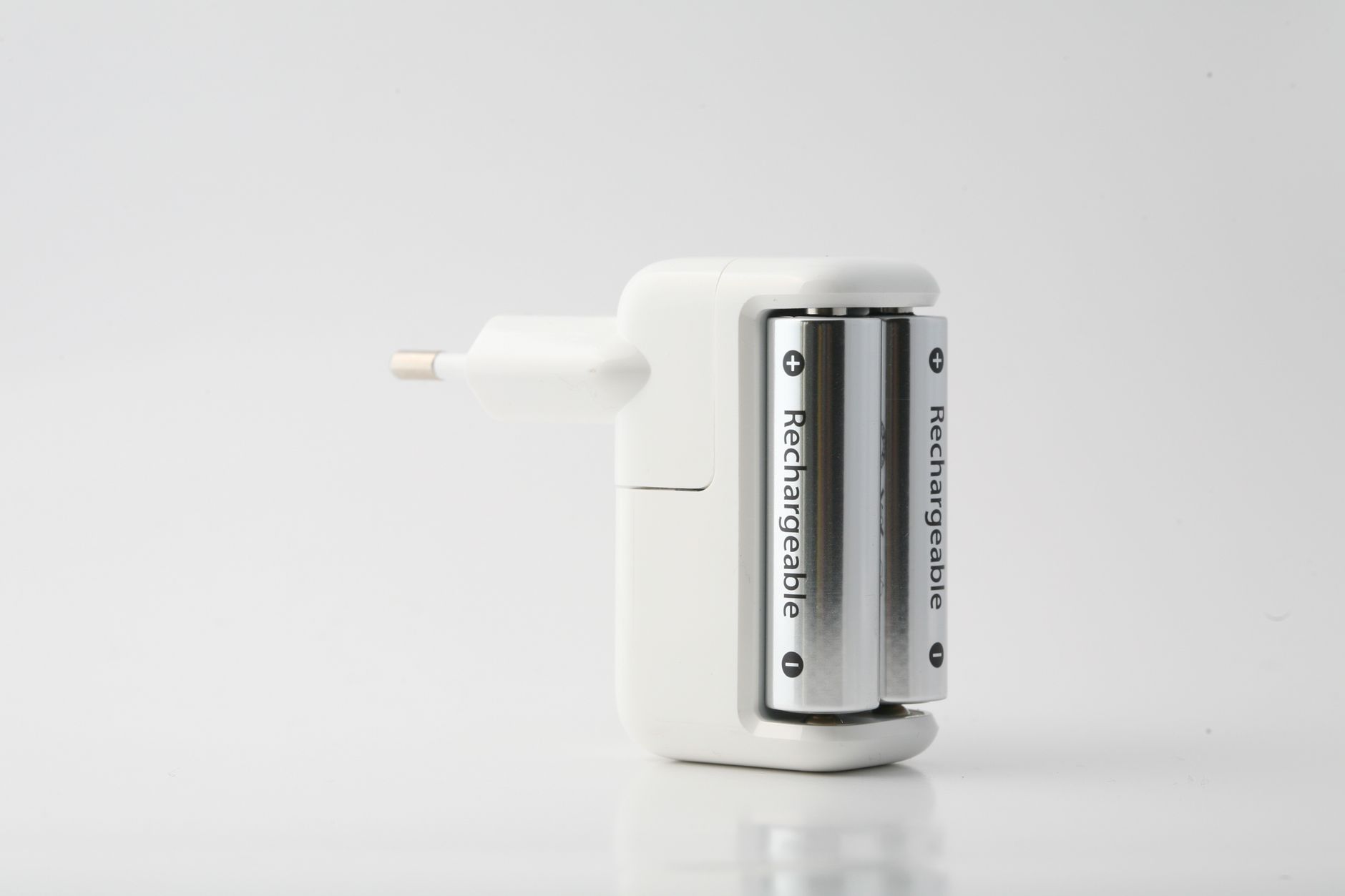
Battery-powered lawn equipment has made it easier to keep a garage or shed stocked with trimmers, blowers, mowers, and other cordless tools. But as the number of rechargeable tools increases, so does the importance of deciding where and how they are charged.
A charger sitting on a cluttered workbench may seem harmless, but heat, moisture, combustible materials, damaged cords, and poor ventilation can all create avoidable problems. A better approach is to treat charging as a dedicated part of equipment storage rather than something done wherever an outlet happens to be available.
Modern battery chargers are designed to work with specific battery systems, making compatibility and proper placement important parts of a safe charging routine. The goal is not to build a complicated charging room. It is to create a predictable, clean, dry location where batteries can be charged according to the manufacturer's instructions.
Choose a Charging Location That Separates Heat From Clutter
The first decision is location. A charging station should be positioned away from materials that could easily burn, such as gasoline containers, oily rags, cardboard boxes, paper, solvents, and piles of dry yard debris.
A garage workbench can work well if it remains organized and provides adequate clearance around the charger. A utility shelf may also be suitable, provided it is stable and does not become crowded with unrelated equipment.
OSHA's recent lithium-ion battery guidance highlights the importance of practical controls such as proper ventilation and keeping batteries in cool, dry locations.
The broader principle is simple: a charging area should have enough space for the battery, charger, cables, and surrounding airflow without becoming a storage area for combustible clutter.
Build the Charging Station Around Airflow and Temperature Control
Temperature is one of the easiest factors to overlook.
A charger should not be wedged between boxes or placed directly against materials that can trap heat. Likewise, batteries should not be charged in locations exposed to extreme heat, freezing conditions, or direct sunlight unless the equipment manufacturer specifically permits those conditions.
A practical charging shelf should provide:
- Open space around the charger
- A stable, non-obstructed surface
- Protection from rain and moisture
- Distance from heat sources
- Easy access to the electrical outlet
- Enough room to prevent cables from being pinched
Avoid enclosing a charger inside a sealed cabinet simply to make the garage look tidier. Organization is useful, but airflow and manufacturer requirements should take priority.
Use the Correct Charger for the Battery System
Compatibility is not an area where improvisation pays off.
Rechargeable outdoor equipment systems are designed around particular battery chemistry, voltage, charging controls, and communication between the battery and charger. Using an incompatible charger can create unnecessary electrical and thermal risks.
CPSC materials emphasize the importance of maintaining batteries within their specified safety parameters and ensuring that chargers are compatible with the batteries being charged.
For homeowners, that means the safest practice is straightforward: use the charger specified for the battery system and follow the manufacturer's instructions rather than relying on a charger that merely appears to fit.
Keep Water and Outdoor Conditions Away From the Charging Area
Outdoor equipment spends much of its life around moisture, dirt, grass clippings, and changing temperatures. Charging equipment should be treated differently.
A battery or charger that has just been exposed to rain, snow, or heavy condensation should not automatically be connected to power. Follow the manufacturer's instructions regarding drying, inspection, and operating conditions.
The charging station itself should also be protected from:
- Rain and dripping water
- Sprinklers
- Wet floors
- Condensation
- Snow tracked into the area
- Damp storage sheds without suitable environmental control
A dry garage or appropriate indoor utility area is often easier to manage than an exposed outdoor location, but the specific charging instructions for the equipment should always control.
Make Electrical Access Part of the Charging-Station Design
The outlet matters just as much as the shelf.
Avoid running charger cords across walkways where they can be stepped on, caught by equipment, or damaged. Do not create a tangled cluster of extension cords simply because several batteries need charging at the same time.
If multiple chargers are used, consider how the electrical load is distributed. A homeowner who gradually adds cordless equipment may eventually have several chargers operating together, so the charging area should be planned rather than assembled randomly.
If an outlet, circuit, wiring, or electrical installation needs modification, use a qualified electrician and follow applicable local electrical requirements.
Create a Dedicated System for Several Outdoor Batteries
A household with one battery can get by with a small charging shelf. A household with six or eight batteries needs a system.
The simplest arrangement is to separate batteries into three categories:
- Ready to use
- Currently charging
- Fully charged and stored
This prevents a common problem: repeatedly moving batteries around the garage without knowing which ones are ready.
Labeling shelves or using dedicated storage positions can make the process even easier. The objective is not elaborate inventory management. It is reducing unnecessary handling and preventing charged and depleted batteries from becoming mixed together.
For example, a homeowner might keep mower batteries on one shelf and handheld-tool batteries on another. Chargers can remain close to the corresponding battery group without being buried beneath other equipment.
Compare a Workbench, Wall Shelf, and Dedicated Cabinet
Not every charging station needs the same design.
|
Charging Setup |
Advantages |
Potential Drawbacks |
|
Workbench |
Convenient and easy to access |
Can become cluttered |
|
Open wall shelf |
Keeps chargers off the floor |
Requires secure mounting |
|
Dedicated charging shelf |
Good organization for multiple batteries |
Takes planning and space |
|
Enclosed cabinet |
Keeps equipment visually contained |
May restrict airflow if poorly designed |
For most homeowners, an open, dedicated shelf or organized section of a workbench offers a useful balance of accessibility, visibility, and airflow.
The best option is the one that allows batteries and chargers to remain stable, dry, visible, and free from unnecessary clutter.
Inspect Batteries and Chargers Before Connecting Them
A charging station also creates an opportunity for routine inspection.
Before charging, look for obvious signs of damage to the battery housing, contacts, charger body, or cable. A battery that has been dropped, crushed, punctured, swollen, unusually hot, or otherwise damaged should not simply be placed on the charger to see what happens.
OSHA notes that lithium-ion battery failures can present fire, explosion, and chemical hazards, particularly when batteries are damaged or improperly handled.
When something appears abnormal, stop using the battery and follow the manufacturer's instructions for evaluation, service, or disposal. Do not attempt an improvised repair of a damaged battery pack.
Avoid These Common Home Charging Mistakes
Charging Beside Flammable Materials
A charger should not share a surface with gasoline cans, solvents, oily materials, or piles of paper and cardboard.
Covering the Charger
Throwing a towel, jacket, or other item over a charger defeats the purpose of keeping the charging area clear.
Using Damaged Cords
A frayed or crushed charging cable is not something to work around with tape and careful positioning. Replace damaged components according to the manufacturer's guidance.
Leaving Batteries in Uncontrolled Heat
An uninsulated shed or closed vehicle can experience extreme temperatures. Charging and storage requirements should account for the actual environment, not just the outdoor temperature reported on a weather app.
Treating Every Battery as Interchangeable
Different voltage platforms and battery systems are not automatically compatible. Matching the battery and charger is essential.
A Simple Routine for a Safer Charging Station
A reliable charging routine can be remarkably simple.
Before charging:
- Inspect the battery and charger for visible damage.
- Confirm the charger matches the battery system.
- Place both on a stable, dry, unobstructed surface.
- Keep combustible materials away from the charging area.
- Make sure ventilation and clearance requirements are met.
- Connect the charger according to manufacturer instructions.
- After charging, store the battery according to the manufacturer's recommendations.
CPSC has advised consumers to use the charger intended for their device and to avoid charging lithium-ion devices while sleeping or otherwise unable to respond to a problem. (U.S. Consumer Product Safety Commission)
For outdoor equipment, always prioritize the instructions supplied with the specific battery and charger, since charging behavior and environmental requirements can vary between systems.
What to Do When You Have Limited Garage Space
Small garages present a different challenge. The answer is not necessarily to put the charging station wherever there is an empty outlet.
Instead, look vertically.
A properly secured open shelf can use wall space without consuming valuable floor area. Keep the charging shelf away from doors, damp areas, heat sources, and locations where vehicles or equipment could strike it.
If the garage cannot provide a suitable environment, consider another location recommended by the equipment manufacturer rather than creating an improvised enclosure.
The charging station should remain accessible enough that you can inspect the equipment without moving several boxes first.
FAQ About Safe Battery Charger Placement
Where is the safest place to charge outdoor equipment batteries?
A dry, stable, well-ventilated location away from combustible materials and excessive heat is generally preferable. Always follow the manufacturer's specific charging and storage requirements.
Can I charge outdoor equipment batteries in a garage?
A garage can be suitable if its temperature, moisture, ventilation, electrical setup, and storage conditions meet the manufacturer's requirements. Keep chargers away from gasoline, solvents, clutter, and other ignition or fire hazards.
Should battery chargers be covered when not in use?
There is generally no need to cover a charger while it is operating. When stored, follow the manufacturer's instructions and keep it clean and dry.
Can several battery chargers share one outlet?
It depends on the electrical circuit, charger specifications, and applicable electrical requirements. Do not overload an outlet or circuit, and consult a qualified electrician if you are unsure about the installation.
What should I do with a damaged lithium-ion battery?
Do not continue charging or using a visibly damaged battery. Isolate it from normal equipment use and follow the manufacturer's safety, service, recycling, or disposal instructions.
A Charging Station Should Be Designed Around Prevention
A well-designed home charging station does not need to look like a workshop control center. Its value comes from eliminating small problems before they become larger ones.
Keep chargers and batteries in an appropriate environment, provide adequate space and airflow, separate charging equipment from combustible materials, use compatible components, and inspect batteries before use. Just as importantly, make the charging area predictable enough that everyone in the household knows where batteries belong.
As cordless outdoor equipment becomes more common, thoughtful battery storage and charging will become another normal part of responsible equipment maintenance. A few minutes spent creating the right setup can make everyday charging cleaner, easier, and safer.
High-authority references used: OSHA's current lithium-ion battery safety guidance and CPSC battery-charging safety guidance are incorporated as informational references. (OSHA)
=======









1 thought on “Battery Charger Placement: How to Create a Safer Home Charging Station for Outdoor Equipment”
Comments are closed.