

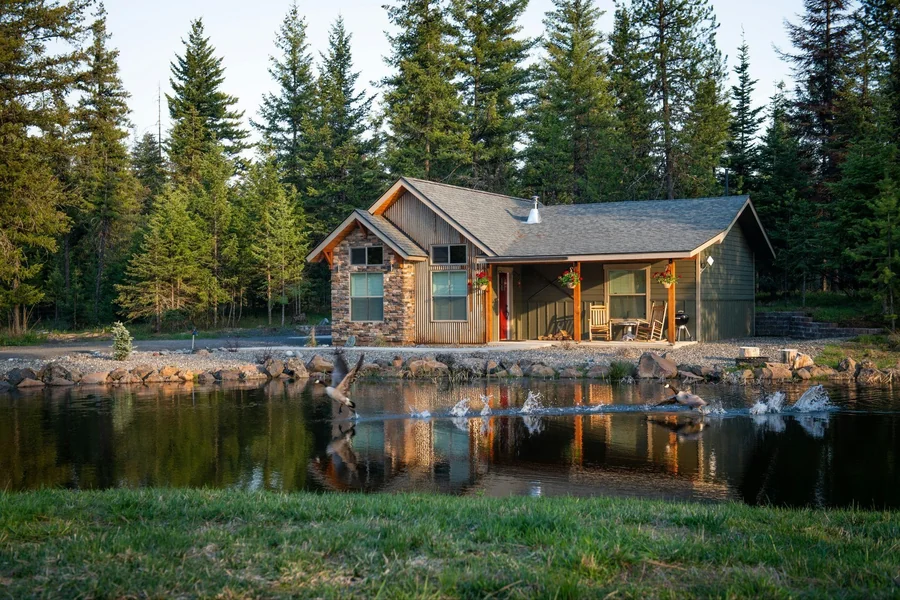
A lake house should feel like an escape from everyday routines, not another property filled with small jobs and inconveniences. Yet the features that make waterfront living appealing can also make the property slightly more complicated to use.
There may be a dock at the bottom of the yard, outdoor equipment scattered between different storage areas, guests constantly moving between the house and water, and a surprisingly long distance between places you visit throughout the day.
The best improvements are often practical rather than dramatic. Make the property easier to move around, organize the areas you use most, and reduce the amount of work required before everyone can actually enjoy the lake.
Make the Dock Feel Like Part of the Property
The dock often becomes one of the busiest places at a lake house, so it deserves more attention than simply providing somewhere to tie up a boat.
Think about how people use it throughout the day. You may need a dedicated place for life jackets, towels, paddles, fishing equipment, and other items that otherwise make repeated trips back to the house necessary. A storage box or simple rack can keep frequently used equipment close without allowing the dock to become cluttered.
A few decorative touches can make the area feel more established as well. If you want to fly a national, state, nautical, or personalized flag by the water, choosing the best flag pole for a boat dock gives the feature a natural place within the waterfront setting while adding character to an area everyone regularly uses.
The goal is to make arriving at the dock feel like reaching another usable part of the property rather than an equipment zone at the edge of the yard.
Create an Easy Route Between the House and Water
Repeatedly walking between the house and lake makes you notice every awkward part of the route.
Uneven ground, slippery steps, poor lighting, or a path that becomes muddy after rain can quickly become irritating. Improving this route is particularly useful when children, older relatives, or guests unfamiliar with the property visit regularly.
A defined walkway can make movement much easier while reducing wear on the surrounding lawn. Steps and steeper sections should feel stable, and handrails can be useful where the terrain demands them.
Lighting matters after sunset too. Subtle path lights can make evening trips back from the dock much easier without turning the shoreline into an overly bright space.
Small improvements to a route you walk ten times a day can have more impact than expensive features you use occasionally.
Make Getting Around a Larger Property Simpler
Some lake houses extend far beyond the immediate area around the home. Garages, guest cottages, docks, gates, gardens, and recreational areas may all be separated by enough distance that constantly walking between them becomes inconvenient.
A small electric vehicle can make those larger properties considerably easier to use. Owners who want a convenient way to carry passengers, coolers, equipment, or supplies around private grounds can shop electric golf carts and choose a configuration suited to the size and layout of the property.
This can be particularly useful when several generations share the lake house. Instead of every trip to the dock becoming a long walk carrying bags and equipment, people and supplies can move between different areas much more comfortably.
The result is less time spent transporting things and more time actually enjoying the property.
Give Wet Gear Somewhere to Go
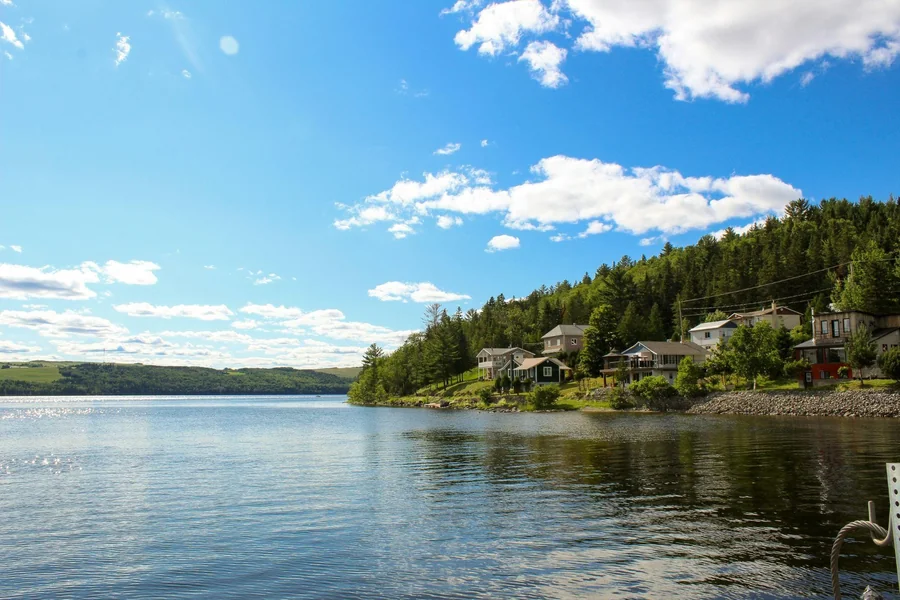
Waterfront homes inevitably accumulate wet things.
Swimsuits appear over chairs, towels end up on railings, shoes collect beside doors, and life jackets somehow migrate into the house. Without a designated system, the mess tends to follow everyone indoors.
Create a transition area between lake activities and the main living space.
Outdoor hooks, towel rails, a covered drying area, baskets, and storage benches can keep wet equipment organized. If there is a side entrance, mudroom, or covered porch near the route from the lake, make that the natural place for people to leave gear.
Think about drainage and surfaces too. An outdoor shower or simple rinsing station can help remove sand, mud, and lake debris before anyone enters the house.
The easier the system is to use, the more likely guests are to follow it without being reminded.
Set Up Outdoor Spaces for Different Parts of the Day
One seating area rarely works equally well from breakfast through late evening.
A sunny deck might be perfect during a cool morning but uncomfortable in the middle of a hot afternoon. A shaded area that feels wonderful at lunch may not offer the best view of the sunset.
Instead of concentrating all the outdoor furniture in one place, create a few simple destinations around the property.
A pair of chairs near the water can become a quiet morning coffee spot. A shaded table can handle lunch. Comfortable seating closer to the house can provide an easy gathering area in the evening.
You do not need multiple elaborate patios. Sometimes moving a bench, adding an umbrella, or placing a couple of chairs in a previously unused part of the yard is enough to make the property feel much more versatile.
Keep Frequently Used Equipment Close to Where It Is Needed
Good storage is not simply about hiding things. It is about putting them where people naturally need them.
Fishing equipment stored in a distant basement is inconvenient if fishing always happens from the dock. Outdoor cushions are more likely to be used when their storage box sits beside the furniture. Firewood should be close enough to the fire pit that nobody has to cross the property every time another log is needed.
Walk through a typical lake-house day and notice what gets carried back and forth.
Then look for opportunities to shorten those journeys.
Dedicated storage near the dock, deck, outdoor kitchen, or recreational areas reduces clutter inside the house while making spontaneous activities easier. If grabbing a paddle takes thirty seconds instead of ten minutes, people are much more likely to actually take the kayak out.
Make Maintenance Easy to Deal With
A lake house is more enjoyable when routine maintenance does not consume every visit.
Outdoor furniture, docks, pathways, landscaping, and waterfront equipment all face regular exposure to weather. Choosing durable materials and keeping basic maintenance supplies accessible can reduce the amount of preparation required at the beginning of a weekend.
Organization helps here as much as construction.
Keep tools where recurring jobs happen, label storage areas, and make it obvious where outdoor equipment should be returned. If several family members use the property, a simple shared system prevents one person from becoming responsible for finding and organizing everything.
A lake house does not need endless upgrades to become more enjoyable. Often, the biggest improvement comes from removing small obstacles between people and the activities they came there to enjoy.
When the dock is organized, the route to the water is easy, equipment is stored where it belongs, and moving around the property takes little effort, the lake house starts doing exactly what it should: making it easier to spend more of the day outside.







1 thought on “Simple Ways to Make a Lake House Property Easier to Enjoy”
Comments are closed.