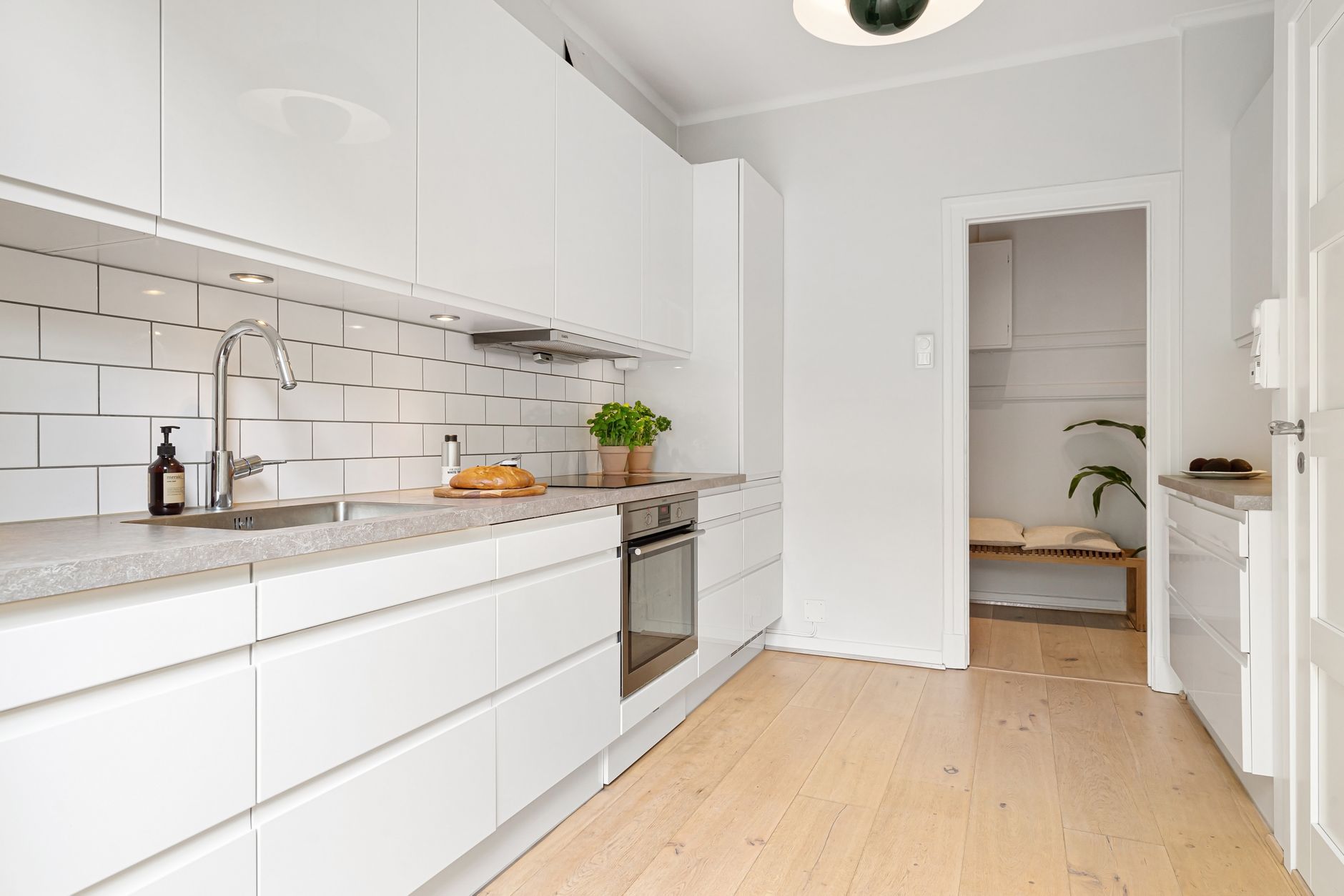
Flooring is one of the most important elements in any interior because it influences appearance, comfort, functionality, and everyday maintenance. A good flooring surface should be attractive enough to complement the design while also being strong enough to handle regular use. Homeowners and property managers often look for flooring solutions that can withstand foot traffic, furniture, spills, dirt, and other common challenges. Quartz floors can be an excellent option for those seeking a combination of attractive design, practical performance, and long-term value when the appropriate system is selected and professionally installed.
Understanding Quartz Flooring
Quartz is a naturally occurring mineral recognized for its hardness, durability, and distinctive appearance. In flooring applications, quartz can be incorporated into engineered surfaces, resin-based systems, decorative aggregates, and other flooring solutions. The exact composition of a flooring product can vary depending on the manufacturer and intended application. Some products are designed for decorative environments, while others are developed for areas that experience heavier traffic and demanding conditions. Understanding the specific characteristics of a product before installation can help ensure that it meets the needs of the intended space.
Why Flooring Selection Matters
Choosing the right flooring requires more consideration than simply selecting a color or pattern. A floor may be exposed to constant foot traffic, furniture movement, spills, moisture, cleaning products, and occasional impacts. If the material is not suitable for these conditions, it may develop scratches, stains, cracks, discoloration, or other problems prematurely. A well-selected flooring system can provide a stronger foundation for everyday activities while improving the overall appearance of a room. Property owners should therefore consider durability, maintenance, safety, installation requirements, and design before making a final decision.
Main Benefits of Quartz Flooring
One of the most appealing characteristics of quartz floors is their ability to combine decorative possibilities with practical performance. Quartz aggregates can provide attractive texture, depth, and color variation while contributing to the overall strength of the flooring system. Depending on the product, the finished surface may also provide useful resistance to everyday wear, stains, and certain impacts. A properly installed system can be relatively easy to maintain and can create a polished appearance. However, performance depends on the complete flooring system, proper installation, substrate preparation, and ongoing maintenance.
Durability for Everyday Use
Durability is an important factor when selecting flooring for busy spaces. Floors must withstand repeated foot traffic, furniture pressure, equipment movement, and regular cleaning without quickly losing their appearance. The hardness of quartz can contribute to the strength of certain flooring systems, but the mineral itself is only one part of the finished product. The binder, protective coating, installation method, substrate condition, and thickness can all influence performance. Selecting a system that is designed for the expected level of use can help property owners achieve better long-term results and avoid premature deterioration.
Attractive Design Possibilities
A floor covers a large portion of any room, which means its appearance can strongly influence the overall interior design. Quartz aggregates can be combined in different colors, sizes, and patterns to create a variety of visual effects. Some property owners prefer subtle neutral finishes, while others may want bold combinations that create a distinctive focal point. Decorative materials can provide visual depth without making the room appear overly complicated. When selecting a design, it is useful to consider existing walls, furniture, cabinets, lighting, and other decorative features so that the finished floor complements the entire space.
Modern and Stylish Appearance
Many homeowners want flooring that looks contemporary while remaining practical enough for everyday use. Quartz floors can contribute to a modern appearance because aggregate combinations can create a clean, refined, and visually interesting finish. Neutral colors can provide a timeless foundation, while stronger tones can create a more dramatic appearance. The final effect can also vary depending on the surface finish and lighting conditions. Choosing a versatile design can be beneficial because furniture and décor may change over time. A well-selected floor can continue to complement different interior styles without requiring frequent replacement.
Resistance to Stains
Spills and stains are common concerns in kitchens, workshops, utility areas, commercial environments, and busy residential spaces. Depending on the product composition and protective finish, quartz-based surfaces may offer useful resistance to many everyday substances. However, no flooring material should be assumed to be completely resistant to every type of stain or chemical. Prompt cleanup remains important. Food, beverages, oils, cleaning products, and other substances should be removed using methods recommended by the manufacturer. Understanding the specific stain resistance of a product before installation can help property owners select an appropriate system.
Easy Cleaning and Maintenance
One major advantage of a well-designed flooring surface is that it can simplify regular cleaning. Dust, dirt, and loose debris should be removed regularly to prevent abrasive particles from remaining on the surface. Spills can usually be addressed with suitable cleaning products and appropriate methods. Harsh chemicals and abrasive equipment should not be used unless specifically approved by the manufacturer. With a consistent maintenance routine, quartz floors can retain their attractive appearance and functional characteristics for an extended period. Routine care is especially important in high-traffic areas where dirt and debris accumulate more quickly.
Moisture Considerations
Moisture can affect many flooring systems, particularly when it is present beneath the finished surface. Areas exposed to water, humidity, spills, or frequent cleaning should be evaluated carefully before installation. Excess moisture can interfere with adhesion and may contribute to bubbling, peeling, discoloration, or other forms of deterioration. The underlying substrate should be tested or evaluated according to the requirements of the selected product. If moisture problems are identified, they should be addressed before installation. Proper moisture management can significantly improve the reliability and lifespan of a flooring system.
Importance of Surface Preparation
Proper surface preparation is one of the most important parts of a successful flooring project. The existing surface should generally be clean, stable, dry, and free from contaminants that could interfere with bonding. Oil, grease, dust, old coatings, loose materials, and damaged sections may need to be removed or repaired. Depending on the selected system, preparation can include mechanical grinding, cleaning, patching, leveling, or other specialized techniques. Even high-quality flooring materials may fail if they are installed over a poorly prepared surface. Investing time in preparation creates a stronger foundation for the finished floor.
Repairing Cracks and Surface Damage
Before installing a new flooring system, existing cracks, holes, uneven sections, and other defects should be carefully evaluated. Small surface imperfections may require suitable patching, while larger cracks may indicate movement or other underlying issues. Covering significant damage without addressing its cause can allow problems to appear through the finished surface later. Professional assessment can help determine which repairs are necessary. A properly repaired substrate provides a smoother and more stable foundation, which can improve both the appearance and performance of the final flooring installation.
Professional Installation
Professional installation can make a significant difference in the quality and longevity of quartz floors. Experienced installers understand how to prepare the substrate, mix and apply materials, distribute aggregates, manage edges, and achieve a consistent finish. They can also recognize environmental conditions that may affect bonding or curing. Poor installation can result in uneven surfaces, weak adhesion, visible imperfections, premature wear, or other problems. When a flooring project is expected to last for many years, homeowners should consider installation quality just as carefully as the material itself. Proper workmanship can help protect the investment and improve long-term satisfaction.
Selecting the Right Finish
The finish of a flooring surface can influence its appearance, texture, cleaning requirements, and safety. Some property owners prefer smooth finishes that create a polished and sophisticated appearance, while others prefer textured surfaces that provide additional visual depth or traction. The appropriate finish depends on the intended environment. Areas that may become wet can require special attention to slip resistance. A professional installer can explain the available options and recommend a finish that balances appearance, functionality, maintenance, and safety. Product specifications should always be reviewed before making a final decision.
Improving Slip Resistance
Safety is another important consideration when selecting flooring. Water, oil, cleaning solutions, and other liquids can make certain smooth surfaces slippery. Some flooring systems can incorporate textured aggregates or specialized additives to improve traction. Property owners should discuss slip resistance with their installer when the floor will be exposed to moisture or frequent spills. The goal is to create a surface that is comfortable and attractive while also providing appropriate traction. The specific requirements will depend on the environment, expected traffic, and manufacturer's recommendations.
Residential Applications
Residential spaces can benefit from flooring that combines visual appeal with everyday durability. Quartz floors may be considered for entryways, utility rooms, workshops, kitchens, living areas, and other parts of a home where a durable and attractive surface is desirable. Homeowners can select aggregate combinations that complement furniture, walls, cabinets, and lighting. In busy households, a suitable flooring system can help manage regular foot traffic and everyday activity. However, the exact product should always be selected according to the specific requirements of the room and the manufacturer's performance specifications.
Commercial Applications
Commercial environments often require flooring that can handle regular traffic while maintaining a professional appearance. Offices, showrooms, retail spaces, studios, workshops, and other facilities may benefit from a durable decorative surface. Quartz-based systems can offer a distinctive visual appearance while providing practical characteristics suited to certain commercial environments. Businesses should evaluate expected traffic, cleaning schedules, moisture exposure, equipment use, and potential chemical contact before selecting a product. Professional installation can also help ensure that the flooring is prepared correctly and can reduce problems associated with poor application.
Resistance to Impact
Floors can experience impacts from dropped objects, furniture, tools, equipment, and other heavy items. The impact resistance of a quartz-based system depends on its complete construction rather than the quartz aggregate alone. Properly selected materials can handle many everyday conditions, but extremely heavy or sharp impacts may still cause localized damage. Protective measures can help reduce unnecessary wear. Furniture pads, work mats, and careful handling of heavy equipment can protect the surface. Preventive care is especially valuable in workshops and areas where heavy objects are frequently moved.
Protecting Against Scratches
Although quartz is a hard mineral, the finished flooring system can still be affected by abrasive particles, sharp objects, and heavy equipment. Furniture should ideally be lifted or moved with appropriate protective equipment rather than dragged across the surface. Pads beneath furniture legs can reduce friction and pressure. Regular cleaning is also useful because sand, grit, and other small particles can act as abrasives under repeated foot traffic. Simple precautions can help preserve the surface and reduce unnecessary scratches, scuffs, and other forms of wear.
Choosing the Right Color
Color can have a major effect on the overall appearance of a room. Light shades can make a space feel brighter and more open, while darker colors can create a bold and sophisticated atmosphere. Neutral tones often provide flexibility because they coordinate with many types of furniture and décor. Quartz aggregates can introduce subtle variations that make the surface more visually interesting. Property owners should consider both natural and artificial lighting when selecting a color because the appearance of flooring can change considerably under different lighting conditions.
Texture and Visual Depth
One of the appealing design characteristics of quartz aggregate is its ability to create texture and visual depth. Different aggregate sizes and colors can be combined to produce unique patterns. A subtle blend may create a sophisticated appearance, while a stronger combination can become a noticeable design feature. Texture can also influence how the floor feels underfoot and how much traction it provides. Property owners should therefore consider both appearance and practical performance. Viewing physical samples before installation can help provide a more accurate idea of the final result.
Cost and Long-Term Value
The initial price of flooring is only one part of the overall investment. Property owners should also consider preparation, installation, cleaning, maintenance, repairs, and expected service life. A lower-priced product may require more frequent attention, while a higher-quality system may provide better durability and appearance over time. Comparing complete project estimates can help homeowners understand the true cost of different options. Long-term value should be evaluated according to durability, maintenance requirements, suitability, appearance, and expected lifespan rather than focusing only on the initial purchase price.
Common Installation Mistakes
Several mistakes can negatively affect flooring performance. Installing material over dirty or unstable concrete is a common problem, while ignoring moisture can create serious adhesion issues. Failing to repair cracks, selecting an unsuitable product, using incorrect application techniques, or rushing the curing process can also lead to premature deterioration. Another mistake is choosing flooring based entirely on appearance without considering traffic, moisture, and chemical exposure. Proper planning and professional installation can reduce these risks. Following the manufacturer's instructions throughout preparation and installation is essential for achieving the expected results.
Environmental Conditions
Temperature, humidity, and moisture can influence the installation and curing of many flooring systems. If environmental conditions are outside the manufacturer's recommended range, the material may not bond or cure properly. Professional installers typically consider these factors before beginning the project. Homeowners should also understand that the floor may need to remain unused for a specific period after installation. Keeping furniture, vehicles, equipment, and heavy foot traffic away from the surface during the recommended curing period can help prevent accidental damage and allow the flooring to achieve its intended performance.
Maintenance Planning
Long-term flooring performance depends heavily on regular maintenance. Homeowners should establish a simple cleaning routine that removes dust, dirt, and debris before they accumulate. Spills should be addressed quickly, and approved cleaning products should be used according to the manufacturer's instructions. Periodic inspections can also help identify small problems before they become more serious. Signs such as cracks, chips, discoloration, peeling, or changes in texture should not be ignored. Early attention can help protect the surface and may reduce the cost of future repairs.
Handling Spills Properly
Promptly cleaning spills can help protect the appearance of the floor. Water, beverages, oils, food, and chemicals should not be allowed to remain on the surface longer than necessary. The appropriate cleaning method depends on the type of flooring system and the substance involved. Homeowners should keep suitable cleaning supplies available so that spills can be handled quickly. Aggressive scrubbing and harsh chemicals should be avoided unless specifically recommended. Good cleaning habits can prevent many avoidable stains and help maintain the floor's original appearance.
Protecting the Floor During Heavy Work
Garages, workshops, utility areas, and other active spaces may expose flooring to demanding conditions. Heavy tools, equipment, furniture, and machinery should be handled carefully to reduce impacts and scratches. Protective mats can be placed beneath work areas where spills or dropped objects are likely. Sharp tools should not be dragged across the surface. Even highly durable flooring benefits from responsible use. Taking a few simple precautions can help preserve the finish and reduce unnecessary repair requirements over time.
Long-Term Care
A flooring project should be viewed as a long-term investment rather than a one-time improvement. Property owners should understand the manufacturer's recommendations for cleaning, inspection, maintenance, and potential restoration. Regular care can help prevent dirt buildup and identify surface problems at an early stage. If professional maintenance is recommended, it should be scheduled according to the condition and use of the floor. Consistent attention can preserve both appearance and functionality while helping the flooring continue to provide value for many years.
When Professional Repairs Are Needed
Professional assistance may be necessary when the surface develops significant cracking, peeling, chips, discoloration, or moisture-related problems. A qualified professional can determine whether localized repair, recoating, refinishing, or complete replacement is appropriate. Attempting major repairs without understanding the original flooring system can sometimes create additional problems. Professional evaluation is especially valuable when damage appears to be caused by an underlying moisture or structural issue. Addressing the root cause is generally more effective than simply covering visible damage.
Comparing Flooring Options
Before choosing a flooring system, property owners should compare available options according to the requirements of the space. Important considerations include durability, appearance, maintenance, moisture resistance, safety, installation requirements, and budget. Every flooring material has strengths and limitations, so the best choice depends on the intended environment. A product that works well in a residential room may not be suitable for a heavily trafficked commercial facility. Careful comparison can help property owners select a system that provides appropriate performance without unnecessary expense.
Planning the Installation Project
Good planning can make the flooring process smoother and more predictable. Property owners should establish their preferred appearance, expected traffic, maintenance expectations, budget, and intended use before selecting a material. The existing surface should then be evaluated for cracks, moisture, contamination, and other potential problems. A professional can provide recommendations and explain the preparation, installation, curing, and maintenance process. Planning ahead can reduce unexpected costs and prevent design disappointments. It also gives homeowners a clearer understanding of what is required before work begins.
Creating Long-Term Value
A high-quality flooring system can provide benefits that extend beyond immediate visual improvement. It can contribute to easier cleaning, better organization, improved functionality, and a more attractive interior environment. When properly installed and maintained, quartz floors can remain useful and visually appealing for many years. The long-term value of a flooring investment comes from selecting appropriate materials, preparing the surface correctly, using professional installation methods, and following recommended maintenance practices. A thoughtful approach can help property owners achieve a result that continues to meet their needs well into the future.
Final Thoughts
Choosing the right flooring requires careful consideration of durability, design, maintenance, safety, installation, moisture, and long-term value. Quartz floors can provide an attractive and practical solution when the appropriate product is selected for the intended environment and installed correctly. Proper surface preparation is essential because even high-quality materials may perform poorly when applied over an unsuitable substrate. Professional installation can further improve the consistency and durability of the finished surface. With regular cleaning, responsible use, and appropriate maintenance, this type of flooring can remain attractive and functional for years. Property owners who carefully plan their flooring project can create a surface that combines beauty, strength, convenience, and lasting value.