

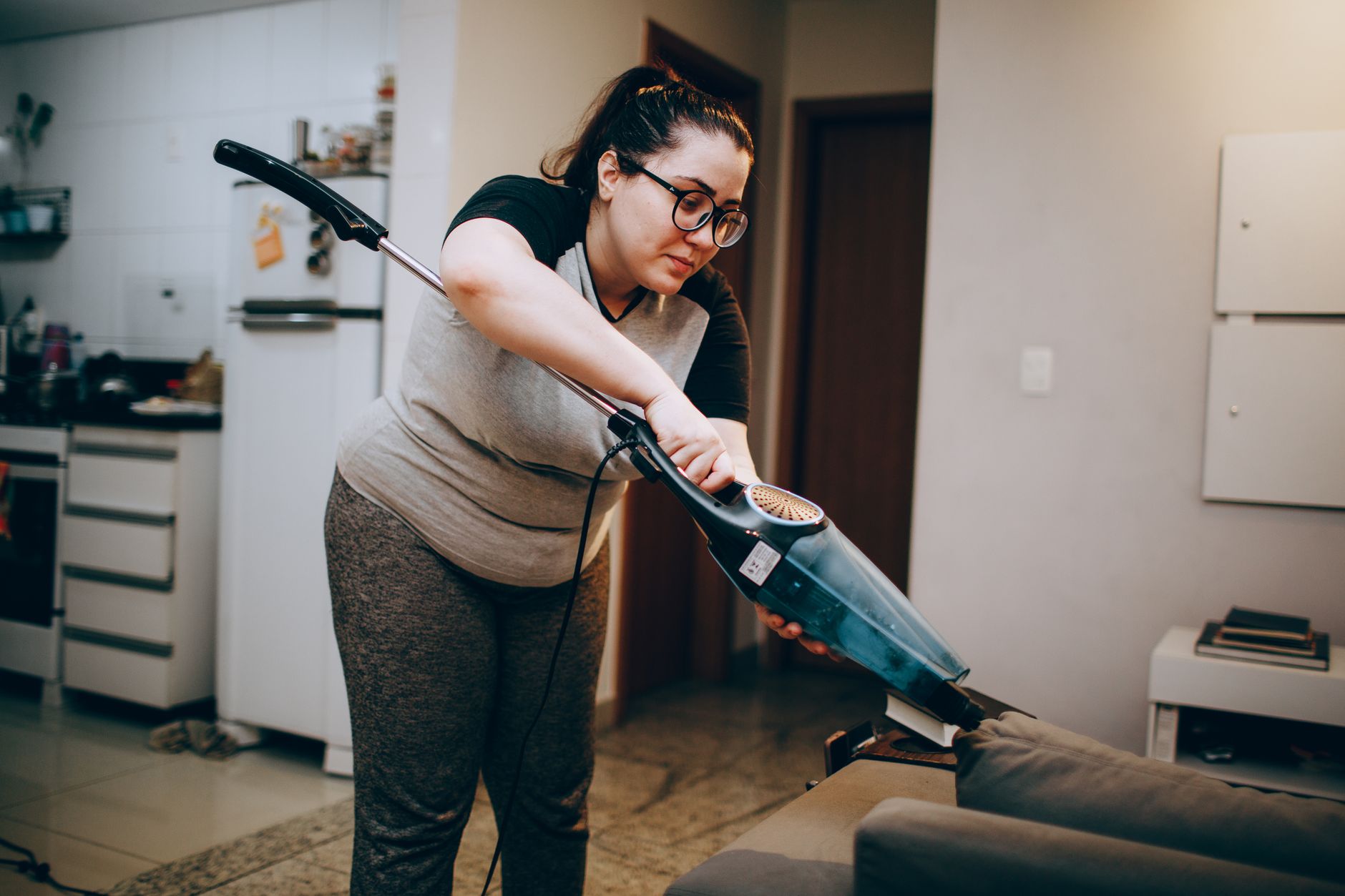
Understanding the Importance of a Clean Home
A clean and organized home creates a more comfortable environment for everyday living and can make daily routines easier to manage. Dust, dirt, pet hair, food particles, and other contaminants naturally accumulate in living spaces, even when a home appears tidy at first glance. Regular cleaning helps control this buildup and keeps frequently used areas looking fresh and pleasant. For many households, finding enough time to clean every room thoroughly can be challenging because of work, family responsibilities, social commitments, and other daily activities. This is where residential cleaning services can provide valuable support by helping homeowners maintain a consistent cleaning routine. Professional cleaners can handle routine tasks as well as deeper cleaning projects, allowing residents to spend more time on other priorities. A well-maintained home can also feel more inviting and organized, making cleaning an important part of creating a comfortable living environment.
Creating a Consistent Cleaning Routine
Consistency is one of the most important factors in maintaining a clean home. Rather than allowing dirt and clutter to accumulate until cleaning becomes overwhelming, homeowners can benefit from establishing a regular schedule. Different tasks can be divided according to how frequently they need to be completed. Everyday activities may include washing dishes, wiping kitchen surfaces, putting items away, and managing visible clutter. Weekly tasks can include vacuuming floors, cleaning bathrooms, dusting furniture, and changing bedding. Deeper tasks such as cleaning windows, washing baseboards, organizing storage areas, and cleaning hard-to-reach spaces may be performed less frequently. A structured routine makes responsibilities easier to manage and reduces the amount of time required for each cleaning session. Professional assistance can also be incorporated into this schedule when homeowners need additional support or want to maintain a higher level of cleanliness throughout the year.
Cleaning High-Traffic Areas
Certain areas of a home naturally require more frequent attention because they receive greater amounts of daily activity. Entryways, kitchens, living rooms, hallways, and bathrooms often accumulate dirt and debris faster than less frequently used rooms. Floors in these areas may collect dust, outdoor particles, food crumbs, and other contaminants brought in through regular household activity. Furniture and frequently touched surfaces can also accumulate dust and fingerprints. Paying special attention to high-traffic areas can make a home appear significantly cleaner even when every room has not received a deep cleaning. Vacuuming, sweeping, mopping, dusting, and surface wiping should be adjusted according to the amount of use each area receives. Focusing on these spaces first can also make cleaning more efficient because they have the greatest effect on the overall appearance and comfort of the home.
Maintaining a Clean Kitchen
The kitchen is one of the most important areas to keep clean because it is frequently used for preparing, cooking, and storing food. Food particles, grease, spills, and moisture can accumulate quickly on countertops, appliances, floors, cabinets, and other surfaces. Regular cleaning helps prevent unpleasant odors and reduces the accumulation of residue. Countertops should be wiped after food preparation, while sinks and other frequently used areas should receive regular attention. Appliances such as refrigerators, ovens, microwaves, and dishwashers also require periodic cleaning to prevent buildup. Floors should be swept or vacuumed regularly and mopped when necessary. Cabinets and handles can also collect grease and fingerprints over time. Maintaining a clean kitchen not only improves its appearance but also creates a more pleasant environment for preparing meals. A consistent cleaning schedule makes it easier to prevent small spills and stains from becoming difficult problems.
Keeping Bathrooms Fresh and Hygienic
Bathrooms require regular cleaning because they are exposed to moisture, soap residue, dust, and other materials that can accumulate quickly. Sinks, toilets, showers, bathtubs, mirrors, floors, and frequently touched surfaces should all be included in a regular maintenance routine. Moisture can also contribute to unpleasant odors and encourage the growth of unwanted organisms if surfaces are not properly maintained. Cleaning products should always be used according to their instructions, and different products should never be mixed unless the manufacturer specifically states that doing so is safe. Ventilation can help reduce excess moisture and improve the overall environment. Towels, bath mats, and other washable materials should also be cleaned regularly. A well-maintained bathroom can feel more comfortable and inviting, while regular cleaning can prevent residue and buildup from becoming increasingly difficult to remove.
Dusting Furniture and Surfaces
Dust can accumulate on almost every surface inside a home, including shelves, tables, furniture, electronics, decorative items, and window areas. Although some dust is unavoidable, regular dusting can significantly reduce visible buildup and help keep rooms looking fresh. Dusting should generally begin with higher surfaces so that particles that fall downward can be cleaned afterward. Soft microfiber cloths or other appropriate cleaning tools can help capture dust instead of simply moving it from one surface to another. Delicate objects and electronics may require specific cleaning methods to avoid damage. Curtains, blinds, lampshades, and other less obvious areas should also receive periodic attention because they can collect dust over time. Maintaining a regular dusting routine makes deeper cleaning easier and can improve the overall appearance of living spaces. It also helps prevent dust from accumulating in neglected areas that may otherwise become difficult to clean.
Maintaining Floors and Carpets
Floors are among the most heavily used surfaces in a home and can collect significant amounts of dirt, dust, hair, and debris. Different flooring materials require different cleaning methods, so homeowners should follow the care recommendations provided for their particular floor type. Carpets generally benefit from regular vacuuming to remove loose particles before they become embedded in the fibers. Hard flooring may require sweeping, vacuuming, and occasional mopping depending on the material and level of use. Spills should be addressed promptly because some substances can stain or damage surfaces if they remain for too long. Entry mats can also help reduce the amount of outdoor dirt brought into the home. A consistent floor-care routine can improve the appearance of rooms while helping surfaces remain in better condition. Professional deep cleaning may also be useful when carpets or floors require more intensive attention than routine household cleaning can provide.
Cleaning Bedrooms Thoroughly
Bedrooms should provide a comfortable and relaxing environment, making regular cleaning an important part of maintaining the space. Bedding should be changed and washed according to household needs, while mattresses can be periodically vacuumed or maintained according to the manufacturer's recommendations. Dust can accumulate on nightstands, dressers, headboards, lamps, shelves, and other surfaces, so these areas should be included in the cleaning routine. Floors and carpets should also be cleaned regularly, particularly underneath and around furniture where dust may collect unnoticed. Clutter should be reduced because excessive items can make a room feel less organized and create additional surfaces that require cleaning. Closets and storage areas can benefit from occasional organization as well. Keeping bedrooms clean and orderly can make them more pleasant to use and can contribute to a calmer overall atmosphere within the home.
Paying Attention to Frequently Touched Surfaces
Some household surfaces receive constant contact throughout the day and therefore deserve regular cleaning. Door handles, light switches, cabinet handles, remote controls, appliance controls, faucets, and other frequently touched areas can accumulate dirt and residue. These surfaces are sometimes overlooked because they may not appear visibly dirty, but they are used repeatedly by household members and visitors. Including them in a cleaning routine can help maintain a more thorough level of household cleanliness. Appropriate cleaning products should be selected according to the material being cleaned, and manufacturers' instructions should be followed carefully. Electronic devices require particular caution because excessive moisture can damage internal components. A simple checklist of frequently touched surfaces can help prevent them from being forgotten during routine cleaning. Paying attention to these small details can make a noticeable difference in the overall quality of a home's cleaning routine.
Deep Cleaning Less Accessible Areas
Routine cleaning usually focuses on visible and frequently used spaces, but less accessible areas also need occasional attention. Dust and debris can accumulate underneath furniture, behind appliances, inside cabinets, along baseboards, around vents, and in corners that are rarely reached during everyday cleaning. Deep cleaning involves addressing these overlooked areas and removing accumulated dirt before it becomes difficult to manage. Furniture may need to be moved carefully so that floors underneath can be cleaned properly. Vents and other accessible fixtures should be maintained according to their manufacturer's instructions. Window frames, doors, trim, and other details can also benefit from occasional deep cleaning. Scheduling these tasks periodically prevents neglected areas from becoming heavily soiled. A combination of regular maintenance and occasional deep cleaning provides a more complete approach to keeping a home comfortable and well maintained.
Benefits of Professional Cleaning Assistance
Managing every household cleaning responsibility can be difficult, especially for people with demanding schedules or larger homes. Professional cleaning assistance can provide a practical solution by handling routine or specialized tasks according to the homeowner's needs. Residential cleaning services can be particularly useful when homeowners want consistent support without having to manage every cleaning task themselves. Professional cleaners typically follow structured processes that help them work efficiently through different areas of a home. Depending on the arrangement, homeowners may request recurring cleaning, occasional deep cleaning, move-related cleaning, or assistance with specific areas. Professional support can save time and reduce the pressure associated with maintaining a busy household. It can also be useful before or after events, during particularly demanding periods, or whenever a home requires more attention than the occupants can reasonably provide themselves.
Choosing Appropriate Cleaning Products
The cleaning products used in a home should be selected carefully because different materials and surfaces have different requirements. A product that works well on one surface may damage another if used incorrectly. Homeowners should read product labels and follow recommended instructions, including guidance about dilution, application, ventilation, and storage. Stronger products are not necessarily better, and using excessive amounts can leave residue or create unnecessary exposure to cleaning chemicals. Separate tools can also be helpful for different areas to avoid transferring dirt between rooms. Cleaning cloths, brushes, mops, vacuum equipment, and other tools should be maintained properly so they can perform effectively. Storing cleaning products safely and keeping them away from children and pets is also important. A thoughtful approach to cleaning products can make household cleaning more effective while helping protect surfaces and household members.
Organizing Before Cleaning
Cleaning can become much easier when clutter is addressed before surfaces and floors are cleaned. Items that are left on tables, floors, countertops, and furniture can make it difficult to reach the areas underneath them. Taking a few minutes to put belongings in their proper places can create more open space and allow cleaning tasks to be completed more thoroughly. Organization also makes it easier to identify areas that need additional attention. Storage baskets, shelves, cabinets, and containers can help keep frequently used items organized and reduce visible clutter. However, organization should remain practical rather than creating additional maintenance responsibilities. A simple system that household members can follow consistently is generally more useful than a complicated arrangement. Combining organization with regular cleaning can help create a home that feels more spacious, manageable, and comfortable.
Saving Time Through Better Cleaning Methods
Effective cleaning is not necessarily about spending the entire day working through household tasks. Better planning can help homeowners accomplish more in less time. Cleaning from top to bottom prevents dust from falling onto surfaces that have already been cleaned, while working systematically through rooms can reduce unnecessary movement. Keeping frequently used supplies together can also make tasks more efficient. Some activities can be completed while performing other household routines, such as wiping kitchen surfaces after preparing meals or cleaning the bathroom during a scheduled maintenance period. Dividing larger cleaning projects into smaller tasks can make them feel more manageable. When professional assistance is used, homeowners can also focus their own efforts on everyday tidying while trained cleaners handle more intensive tasks. Efficient methods allow households to maintain a higher standard of cleanliness without making cleaning feel like an overwhelming responsibility.
Preparing for Professional Cleaning
Homeowners who arrange professional cleaning can improve the experience by preparing the home before cleaners arrive. Personal belongings should ideally be placed in their normal locations so that cleaning professionals can access surfaces and floors easily. Valuable or sensitive items may be stored safely when necessary. Clear communication about priorities, specific areas of concern, preferred products, and any surfaces requiring special treatment can help ensure that expectations are understood. If certain rooms should not be entered, those areas should be identified in advance. Preparation does not require extensive work because the purpose of hiring professional help is to reduce the household cleaning burden. However, basic organization and clear instructions can help cleaners work more efficiently and focus their attention on the tasks that matter most to the homeowner.
Maintaining Cleanliness Between Professional Visits
Even when professional cleaners are used regularly, simple daily habits can help maintain the results between visits. Household members can put belongings away after use, wipe spills immediately, remove visible crumbs, wash dishes, and keep clutter under control. Shoes can be removed at the entrance to reduce the amount of outdoor dirt brought inside. Regularly emptying trash and cleaning high-use areas can also prevent unpleasant buildup. These small habits require relatively little time but can significantly reduce the amount of work needed during deeper cleaning sessions. Professional assistance works best when combined with reasonable everyday maintenance because no cleaning schedule can prevent all dirt and clutter from appearing between visits. Developing simple household habits can therefore extend the benefits of a professional cleaning routine and make the home easier to maintain.
Making Cleaning More Sustainable
Many homeowners are increasingly interested in cleaning methods that reduce unnecessary waste and environmental impact. Sustainable cleaning can involve using reusable microfiber cloths, washable mop heads, refillable containers, and carefully selected cleaning products. Reducing excessive use of disposable materials can help limit household waste. Cleaning products should still be selected based on their effectiveness and suitability for the surfaces being treated. Using only the amount recommended by the manufacturer can also prevent unnecessary chemical use. Professional cleaners may offer different product options, so homeowners can discuss preferences when arranging cleaning assistance. Sustainability does not require abandoning effective cleaning practices; instead, it involves making thoughtful choices about products, tools, water usage, and waste. Small changes can contribute to a more efficient household routine while supporting responsible resource use.
When Deep Cleaning Is Especially Useful
Deep cleaning can be particularly helpful after long periods without thorough maintenance, before or after major household events, following renovations, or when preparing a home for a change in occupancy. It can also be useful when accumulated dust, grime, or clutter has become difficult to manage through normal weekly cleaning. Unlike routine cleaning, deep cleaning typically involves more detailed attention to areas that are often overlooked. Depending on the home, this may include baseboards, cabinet interiors, detailed bathroom cleaning, appliance exteriors, window areas, and hard-to-reach surfaces. Deep cleaning can provide a fresh starting point for a regular maintenance routine. Once the home has received more intensive attention, smaller recurring tasks become easier to manage. Scheduling deep cleaning periodically can therefore complement everyday cleaning and help maintain a consistently comfortable home.
Creating a Healthier and More Comfortable Living Space
A well-maintained home can contribute to a more pleasant everyday environment. Regular cleaning helps control visible dirt, dust, debris, and household buildup while making rooms feel more organized. Clean surfaces, fresh floors, tidy bedrooms, and well-maintained bathrooms can improve the overall atmosphere of a property. While cleaning alone cannot eliminate every potential contaminant, consistent maintenance can reduce the accumulation of many common household particles and residues. Good ventilation, appropriate moisture control, regular laundering, and sensible organization can further support a comfortable indoor environment. Residential cleaning services can provide additional assistance for households that need help maintaining these standards consistently. Whether cleaning is completed by household members, professionals, or a combination of both, the key is establishing practical habits that can be maintained over time rather than relying on occasional large cleaning efforts.
Conclusion
Maintaining a clean home requires consistency, organization, suitable cleaning methods, and attention to both everyday and less visible areas. Kitchens, bathrooms, bedrooms, floors, furniture, high-touch surfaces, and high-traffic areas all benefit from regular care, while deep cleaning can address accumulated dirt in harder-to-reach spaces. A structured schedule can make household responsibilities more manageable and prevent cleaning from becoming overwhelming. For busy households, professional assistance can provide valuable support and allow homeowners to maintain a more consistent standard of cleanliness. By combining everyday habits with periodic deeper attention and appropriate cleaning products, homeowners can create a comfortable and attractive living environment. Residential cleaning services can be a practical option for people who want reliable support with routine or detailed household cleaning. With the right approach, maintaining a clean home can become an organized and manageable part of everyday life.






1 thought on “The Complete Guide to Residential Cleaning: Benefits, Best Practices, and Tips for a Healthier Home”
Comments are closed.