

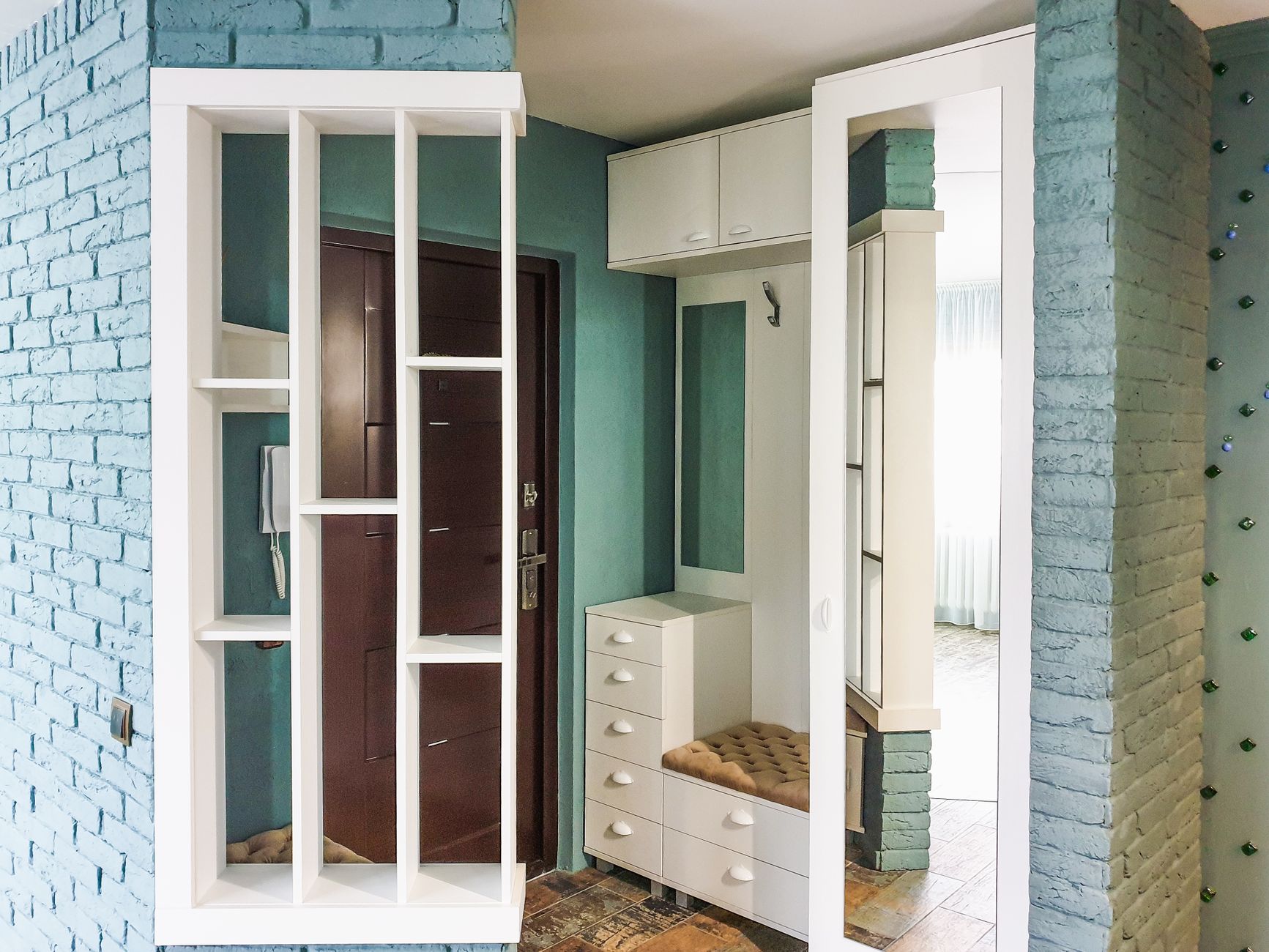
Modern interiors are increasingly focused on creating spaces that look elegant while remaining practical, organized, and comfortable. One of the most effective ways to achieve this balance is by making better use of vertical wall space. Built in wall units offer a versatile solution for homeowners who want attractive storage without allowing furniture to dominate the room. Unlike freestanding cabinets and shelves, these units can be designed around the exact dimensions of a room, making them ideal for maximizing available space. They can combine cupboards, open shelving, display areas, drawers, and media sections within one coordinated design. This flexibility allows them to complement different interior styles while helping keep everyday belongings neatly arranged. With thoughtful planning, a wall unit can become both a functional storage feature and a striking focal point.
Why Wall-Mounted Storage Has Become So Popular
As homes become more focused on efficient space management, traditional storage furniture does not always provide the best solution. Large standalone cabinets can leave awkward gaps, consume valuable floor space, and make a room feel crowded. Built in wall units solve many of these problems by integrating storage directly into the available wall area. They can extend from floor to ceiling, making use of vertical space that might otherwise remain unused. This approach is particularly useful in rooms where every square metre matters and maintaining an open feeling is important. Instead of adding several separate pieces of furniture, homeowners can create one cohesive storage system that serves multiple purposes. The result is a cleaner, more organized interior with a strong sense of visual continuity.
Combining Storage and Style
Good interior design is not simply about hiding belongings; it is also about creating an environment that feels attractive and personal. Built-in wall units can be customized to include both concealed and open storage, giving homeowners the opportunity to display decorative objects while keeping less attractive items out of sight. Closed cabinets are useful for books, electronics, documents, toys, and household accessories that need to be stored neatly. Open shelves can showcase artwork, photographs, plants, ornaments, and treasured collections. Different materials, finishes, handles, lighting features, and colors can be selected to match the overall character of the room. This combination of practical and decorative elements can make a wall unit feel like an intentional part of the architecture rather than simply another piece of furniture.
Making Better Use of Vertical Space
Floor space is often the most noticeable limitation when arranging furniture, but walls provide a significant amount of untapped storage potential. Built in wall units make it possible to use vertical areas efficiently without filling the center of a room with bulky furniture. A tall design can provide storage from near the floor all the way toward the ceiling, creating considerable capacity within a relatively small footprint. Upper cabinets can hold items that are not required every day, while lower sections can provide convenient access to frequently used belongings. Shelving can also be adjusted according to the size of books, decorative pieces, or equipment. By thinking vertically, homeowners can create a more spacious-looking room while still gaining substantial storage capacity.
Creating a Dedicated Entertainment Area
Living rooms often need to accommodate televisions, speakers, gaming equipment, books, decorative accessories, and other technology. Managing all of these items separately can quickly make the space appear cluttered. Built in wall units can bring these different requirements together within a single coordinated installation. A central television section can be surrounded by shelves and cabinets, while cable-management areas can keep wires organized and less visible. Additional compartments can provide convenient storage for remote controls, games, media accessories, and other equipment. The design can also incorporate lighting to draw attention to selected display areas without creating excessive brightness. By combining entertainment equipment with organized storage, the entire wall can become a polished and functional feature.
Customization for Different Room Requirements
Every room has different dimensions, architectural details, and storage requirements, which is why customization is one of the biggest advantages of fitted furniture. Built-in wall units can be designed around windows, doors, alcoves, fireplaces, sloping ceilings, or other features that may make standard furniture difficult to position. Instead of trying to find a ready-made cabinet that almost fits, homeowners can create a solution that works with the room's existing structure. Internal compartments can also be planned according to individual needs, including drawers, adjustable shelves, hanging sections, and concealed cupboards. This makes it possible to prioritize the items that need the most accessible storage. A carefully measured design can reduce wasted space and produce a much more integrated appearance.
Choosing the Right Materials and Finishes
The materials selected for a wall unit have a major influence on both its appearance and durability. Depending on the desired style, homeowners may consider painted finishes, wood-effect panels, natural timber, glass, metal details, or combinations of different surfaces. Matte finishes can create a subtle contemporary appearance, while textured or wood-inspired surfaces can introduce warmth and character. Built in wall units can also use contrasting colors to create visual depth, such as darker lower cabinets combined with lighter upper sections. The choice should consider not only appearance but also cleaning requirements, durability, and the overall design of the room. Selecting materials that complement existing flooring, doors, furniture, and wall colors helps the installation feel cohesive rather than disconnected.
Storage That Helps Reduce Clutter
Clutter can make even a beautifully decorated room feel uncomfortable and disorganized. When belongings do not have designated places, surfaces such as tables, countertops, and floors can quickly become overloaded. Built in wall units provide an opportunity to assign specific storage areas to different categories of possessions. Drawers can accommodate smaller objects, cupboards can conceal larger items, and open shelves can be reserved for things that contribute positively to the room's appearance. This structured approach makes it easier to put items away after use and maintain a tidy environment. It can also reduce the temptation to purchase additional storage furniture because the existing wall system has been designed around the household's actual needs.
Improving the Appearance of Smaller Rooms
Smaller rooms require careful furniture planning because large pieces can quickly make the available space feel restricted. A well-designed fitted storage system can provide considerable capacity while maintaining a streamlined appearance. Built-in wall units are particularly useful because they can be shaped to fit the available wall rather than forcing the room to accommodate standard furniture dimensions. A minimalist design with clean lines and consistent finishes can help reduce visual distractions. Using similar colors for the wall and cabinetry can make the installation appear more integrated, while carefully positioned open shelves can prevent the design from feeling too heavy. With thoughtful proportions, a storage wall can actually make a compact room feel more organized and visually balanced.
Adding Lighting for Greater Impact
Lighting is an important feature that can transform a practical storage installation into an attractive design statement. Integrated LED strips, recessed lights, or small spotlights can illuminate shelves and highlight decorative objects. When incorporated into built-in wall units, lighting can also provide useful illumination for reading, displaying collections, or creating a relaxing atmosphere in the evening. Warm lighting generally creates a comfortable and inviting feeling, while cooler lighting may suit a more contemporary environment. The placement of lighting should be planned alongside the shelves and cabinets so that cables remain concealed and the illumination is evenly distributed. Even simple lighting can add depth and make the entire wall appear more sophisticated.
Creating a More Cohesive Interior
One of the strongest benefits of fitted furniture is its ability to connect different design elements within a room. Separate furniture pieces may have different heights, colors, handles, and materials, creating a visually fragmented appearance. A unified wall installation can establish a consistent design language throughout the space. Built-in wall units can be coordinated with the room's existing furniture and architectural features, helping everything feel like part of the same overall concept. This is particularly effective when the cabinetry uses colors or materials already present elsewhere in the interior. Instead of competing with other features, the storage becomes a supporting element that enhances the room's overall character.
Planning Internal Organization Carefully
The exterior appearance of a wall unit is important, but internal organization determines how useful it will be in everyday life. Before finalizing a design, it is helpful to consider what will be stored in each compartment and how frequently those items are used. Frequently accessed possessions should generally be placed at comfortable heights, while seasonal or rarely needed items can be stored higher up. Adjustable shelves can provide flexibility as storage requirements change over time. Drawers may be ideal for smaller objects, whereas larger cupboards can accommodate bulky belongings. Good planning ensures that the available capacity is genuinely useful rather than simply creating an attractive wall with difficult-to-access storage.
A Long-Term Investment in Your Home
Furniture trends may change, but effective storage remains valuable for many years. A thoughtfully designed fitted system can adapt to changing household requirements and provide dependable organization over a long period. Built-in wall units can be especially valuable because they are designed around the structure and purpose of the room rather than a temporary furniture arrangement. As lifestyles change, shelves can be reorganized, display areas can be updated, and different sections can take on new functions. Choosing durable materials and timeless design details can further extend the usefulness of the installation. Instead of treating storage as an afterthought, homeowners can view it as a long-term investment in the comfort, functionality, and appearance of their interior.
Designing Around Everyday Lifestyle
The best storage solutions are those that reflect how people actually use their homes. A family with children may need accessible compartments for toys, games, and school materials, while someone working from home may require dedicated space for documents and office equipment. Readers may prioritize bookshelves, while entertainment enthusiasts may need larger areas for technology and media accessories. Built in wall units can be adapted to these different lifestyles by combining several types of storage within one design. The key is to consider daily routines before deciding on dimensions, shelf heights, cabinet locations, and drawer placement. When design follows lifestyle, the finished installation becomes easier to use and much more valuable in everyday life.
Maintaining a Clean and Timeless Look
A successful interior does not necessarily need to follow every current trend. In many cases, simple proportions, quality materials, and practical design choices create a more lasting result. Built in wall units can be designed with clean lines and understated details that remain attractive even as decorating preferences evolve. Neutral finishes provide flexibility, while carefully selected decorative elements can introduce personality without making the design feel overwhelming. Regular cleaning and sensible organization will also help preserve the appearance of the installation. By focusing on quality and functionality rather than temporary trends, homeowners can create a storage feature that continues to complement their interior for years.
Final Thoughts
A well-planned storage wall can completely change the way a room looks and functions. It can provide valuable storage, reduce clutter, improve organization, and introduce a strong visual feature without taking up unnecessary floor space. Built-in wall units offer the additional advantage of customization, allowing every part of the design to respond to the dimensions, architecture, and practical requirements of the room. From entertainment areas and home offices to libraries, bedrooms, and living spaces, the possibilities are broad. The most successful designs balance concealed storage with attractive display areas, durable materials with appealing finishes, and practical organization with personal style. With careful planning and attention to detail, a fitted wall solution can become one of the most useful and visually rewarding elements of a modern interior.







2 thoughts on “Built-In Wall Units: A Smart and Stylish Way to Transform Your Interior”
Comments are closed.