

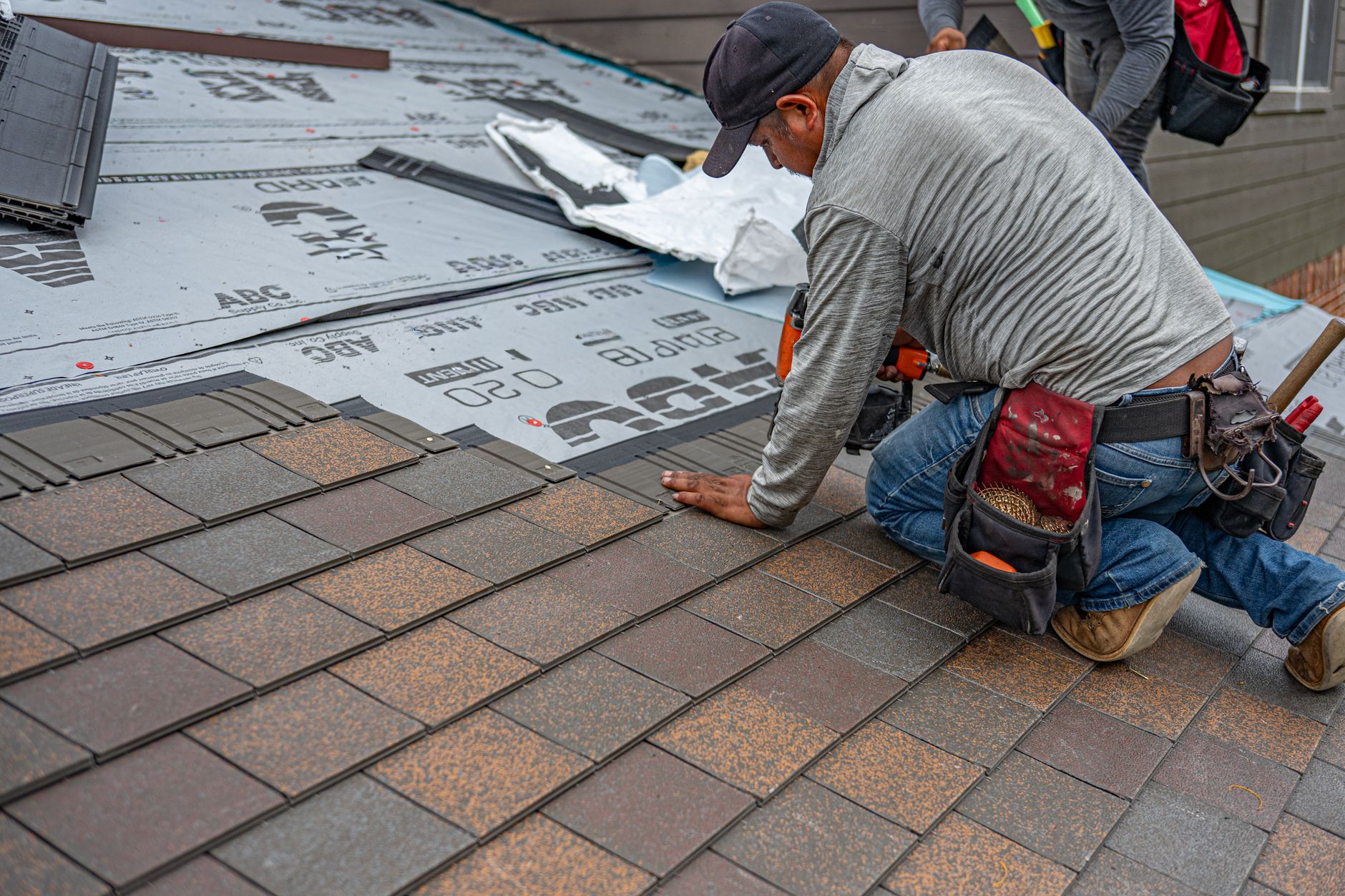
A roof is one of the most important protective parts of any building because it shields the interior from rain, wind, moisture, sunlight, and changing weather conditions. When water begins entering through the roof, even a small amount can eventually create serious structural and cosmetic problems. A roof leak may start around damaged shingles, cracked flashing, blocked drainage systems, deteriorated sealants, or areas where roofing materials have become weak with age. Ignoring early signs can allow moisture to spread into insulation, ceilings, walls, and wooden structures, making the eventual repair much more complicated and expensive. Understanding why leaks happen, how to identify them, and what steps can prevent them is therefore essential for every property owner. Regular inspections and timely maintenance can significantly reduce the possibility of unexpected water damage. A well-maintained roofing system also lasts longer and performs more effectively during severe weather. Taking small problems seriously can prevent them from becoming major repairs later.
Understanding Why Roof Problems Develop
Roofing systems are exposed to outdoor conditions throughout the year, so they naturally experience wear and deterioration. Strong sunlight can cause certain materials to become brittle, while repeated exposure to rain and moisture can weaken joints, seals, and protective coatings. Wind may loosen roofing materials, while falling branches or debris can cause direct physical damage. Temperature changes can also make roofing materials expand and contract repeatedly, eventually creating cracks or openings. Poor installation is another common reason roofing problems appear earlier than expected because incorrectly positioned materials may allow water to collect or travel underneath protective layers. Age is also an important factor, particularly when roofing materials have exceeded their expected service life. In addition, clogged gutters and drainage systems can cause water to remain around vulnerable roof areas instead of flowing away properly. Understanding these causes makes it easier to create a practical inspection and maintenance routine.
Common Warning Signs to Watch For
Water stains on ceilings and walls are among the most noticeable indications that moisture may be entering a building. These stains can appear as yellow, brown, or dark patches and may gradually become larger after periods of rainfall. However, visible staining is not always located directly below the point where water enters because moisture can travel along rafters, insulation, wiring, and other surfaces before reaching the ceiling. Damp or musty odors can also indicate hidden moisture, particularly in enclosed spaces with limited ventilation. Peeling paint, bubbling plaster, warped wood, and damaged wallpaper may provide additional clues. Outside the building, missing, cracked, curled, or damaged roofing materials should be examined carefully. Excessive granules accumulating in gutters may also suggest that certain roofing surfaces are deteriorating. Recognizing these warning signs early gives property owners a better opportunity to address the underlying problem before widespread damage develops.
The Most Common Causes of Water Intrusion
Several different conditions can allow water to enter a roofing system. Damaged shingles or tiles are among the most obvious causes because gaps and cracks can expose underlying layers to rain. Flashing around chimneys, vents, skylights, and roof edges can also deteriorate or become improperly sealed over time. These areas are particularly important because they involve transitions where different materials meet. Blocked gutters and downspouts can create standing water that eventually finds weak points in the roofing structure. Poorly sealed roof penetrations may allow water to enter around pipes, vents, or other fixtures. In some cases, condensation caused by inadequate ventilation can be mistaken for an external leak. Structural movement may create openings around joints or seams, especially in older buildings. Identifying the exact source is important because simply covering a visible stain or applying sealant to an obvious opening may not solve the underlying issue.
Why Small Roofing Issues Should Not Be Ignored
A minor roofing problem can gradually develop into a much larger property concern. Water that repeatedly enters the building can weaken wooden components and damage insulation, drywall, paint, flooring, and electrical systems. Persistent moisture can also create conditions that encourage mold and unpleasant odors. If water reaches structural components, prolonged exposure may reduce their strength and increase the complexity of future repairs. In addition, moisture can remain hidden for extended periods, meaning the visible damage may represent only a small portion of the actual problem. Delaying maintenance often increases the amount of material that needs to be removed and replaced. What begins as a relatively straightforward repair can eventually require extensive restoration. Prompt attention is therefore one of the most cost-effective ways to protect a property. Even when the problem appears insignificant, investigating its cause can help prevent more serious consequences.
How Professionals Locate Hidden Leaks
Finding the exact source of water intrusion can sometimes be more difficult than repairing it. Water does not always travel vertically from the entry point to the location where damage becomes visible. It may move horizontally along roofing layers, wooden framing, insulation, or other building materials. Professionals generally begin with a visual inspection of both the exterior and interior areas associated with the suspected problem. They may examine roofing materials, flashing, penetrations, seams, drainage components, and areas where different surfaces meet. Interior inspection can involve checking attic spaces, insulation, rafters, and ceiling materials for evidence of moisture. Depending on the situation, specialized moisture-detection equipment can help identify damp areas that are not easily visible. A careful inspection is valuable because repairing the wrong area may temporarily hide symptoms without eliminating the source. Proper diagnosis allows the repair approach to address the actual point of water entry.
Regional weather patterns often demand specific maintenance strategies to keep structural materials intact throughout the changing seasons. Property owners working with a roofing contractor in Duluth MN frequently focus on preventing ice dams and moisture buildup caused by severe freezing conditions. Scheduling timely inspections helps identify early wear around vulnerable seams before heavy snowfall creates additional pressure on the structure.
Temporary Measures During an Emergency
When water is actively entering a property during severe weather, immediate steps can help reduce interior damage until a permanent repair can be completed. Containers can be positioned beneath active drips, while valuable furniture, electronics, documents, and other vulnerable belongings should be moved away from affected areas. If ceiling materials are visibly bulging because of accumulated water, caution is necessary because the material may become heavy and unstable. Electrical equipment near wet areas should not be handled if doing so creates a risk of electrical shock. From outside, people should avoid climbing onto a wet or damaged roof during storms because slippery surfaces and strong winds can create dangerous conditions. Temporary coverings may sometimes reduce additional exposure, but they should be installed only when it is safe to do so. Emergency measures are intended to limit damage rather than replace a proper repair. Once conditions are safe, the underlying cause should be investigated as soon as reasonably possible.
Choosing the Right Repair Approach
The appropriate repair method depends on the cause, location, extent, and age of the roofing damage. A small damaged section may only require replacement of a few roofing materials and renewal of surrounding seals. Deteriorated flashing may need to be removed and correctly installed again to create a reliable water-resistant barrier. Damaged vents or other penetrations may require replacement components and proper sealing around their edges. If water has affected the underlying decking, insulation, or structural materials, those components may also need assessment and replacement. Older roofs can present a different decision because repairing one isolated area may not be the most economical solution if many other sections are already deteriorating. In such situations, property owners may need to compare the expected cost of repeated repairs with the long-term benefits of replacement. A qualified roofing professional can evaluate the condition of the entire system and explain the available options. The goal should always be a durable solution rather than a temporary cosmetic fix.
Materials and Workmanship Matter
The quality of materials used in a roofing repair can have a significant effect on its longevity. Roofing products should be appropriate for the existing system and installed according to their intended specifications. Sealants and protective products should be selected carefully because not every product is suitable for every roofing surface or weather condition. Equally important is the quality of workmanship. Even high-quality materials can fail prematurely when they are installed incorrectly or when important preparation steps are skipped. Proper alignment, fastening, flashing, drainage, and sealing all contribute to a dependable roofing system. Repairs should also blend appropriately with surrounding materials so that one weak section does not remain exposed to excessive water. Property owners should be cautious about choosing a repair solely because it is the cheapest available option. A poorly completed repair can lead to repeated expenses and additional interior damage. Investing in appropriate materials and competent workmanship generally provides better long-term value.
Preventive Maintenance Can Make a Major Difference
Regular maintenance is one of the simplest ways to reduce the likelihood of serious roofing damage. Gutters and downspouts should be kept clear so that rainwater can move away from the structure efficiently. Roofing surfaces should be checked periodically for visible damage, missing materials, cracked seals, or areas where water appears to collect. Trees near the building should be managed carefully because branches can scrape against roofing materials or fall during storms. Attic ventilation should also be considered because excessive heat and moisture can contribute to deterioration from underneath the roofing system. After major storms, an inspection can help identify damage before small defects become larger problems. Keeping records of previous repairs and inspections can also help property owners recognize recurring trouble spots. Preventive maintenance does not guarantee that problems will never occur, but it can significantly reduce the chance of unexpected and extensive damage. Consistent attention is usually far less disruptive than dealing with a major emergency.
The Importance of Proper Drainage
Effective drainage is essential because roofs are designed to direct water away from vulnerable areas. Gutters, downspouts, drains, and roof slopes all work together to move rainfall away from the building. When drainage components become blocked with leaves, dirt, branches, or other debris, water can accumulate where it should not. Standing water places additional stress on roofing materials and may eventually find a weak point. Downspouts should discharge water far enough away from the building to reduce the risk of water returning toward the foundation. Drainage systems should also be checked for loose connections, corrosion, cracks, and improper alignment. During heavy rainfall, even a small drainage problem can become significant because large quantities of water may accumulate quickly. Keeping these systems functional is therefore an important part of overall roof maintenance. Good drainage protects not only the roof but also walls, foundations, landscaping, and other parts of the property.
Seasonal Inspections and Weather Preparation
Different seasons can create different challenges for roofing systems. Before periods of heavy rainfall, property owners should check drainage components, flashing, seals, and visible roofing materials for potential weaknesses. Strong winds can loosen materials, while heavy precipitation can expose areas that were already vulnerable. Hot weather may accelerate deterioration of certain surfaces, while repeated temperature changes can contribute to expansion and contraction. Preparing before severe weather gives property owners an opportunity to correct small defects under safer conditions. After a significant storm, another inspection can help identify damage caused by wind, falling debris, or excessive rainfall. Seasonal maintenance should also include checking interior areas such as attics and ceilings for early signs of moisture. A consistent inspection schedule makes it easier to identify changes over time. Rather than waiting for obvious interior damage, proactive inspections focus on preventing problems before they become disruptive.
When Professional Help Is Necessary
Some roofing issues can be identified easily, but many require professional evaluation. If water is entering repeatedly, if the source cannot be located, or if damage appears extensive, professional assistance is usually the safer choice. Walking on a roof without appropriate experience and safety equipment can result in falls or accidental damage to roofing materials. Professionals are also better positioned to identify hidden issues around flashing, penetrations, drainage systems, and underlying structures. They can distinguish between isolated damage and broader deterioration that may require a different solution. Professional evaluation becomes particularly important when moisture has reached electrical systems, structural components, insulation, or other sensitive areas. A reliable inspection can provide a clearer understanding of the condition of the roofing system and help prioritize repairs. The objective is not simply to stop visible water but to restore the system’s ability to resist future moisture intrusion.
Protecting the Interior After a Leak
Once water has entered a building, addressing the roofing problem is only one part of the process. Interior materials affected by moisture should also be inspected carefully. Wet insulation may lose its effectiveness and can become difficult to dry properly. Ceiling and wall materials may need assessment if they have absorbed significant amounts of water. Wooden components should be checked for prolonged moisture exposure, especially when water has remained trapped in enclosed spaces. Adequate drying and ventilation can help limit secondary damage, although heavily affected materials may need professional remediation or replacement. Furniture and other belongings should be moved away from wet areas to prevent additional losses. Any persistent odor or visible biological growth should be taken seriously rather than covered with paint or air fresheners. Proper restoration helps ensure that the building is not only visually repaired but also dry and structurally sound.
Long-Term Benefits of Roofing Care
Maintaining a roofing system provides benefits that extend well beyond preventing water from entering the building. A properly maintained roof can improve energy efficiency by helping protect insulation and reducing moisture-related deterioration. It can also preserve the appearance and value of the property by preventing stains, damaged finishes, and visible exterior deterioration. Regular inspections allow problems to be identified while they are still manageable, reducing the likelihood of costly emergency work. Good maintenance practices can also extend the useful life of roofing materials by preventing avoidable damage and ensuring that drainage systems function properly. Property owners who maintain detailed records can make better decisions about repairs and eventual replacement. Over time, preventive care can provide significant financial benefits because major restoration projects are generally more expensive and disruptive than routine maintenance. A healthy roofing system is therefore an important part of responsible property ownership.
Final Thoughts
A roof leak should never be treated as a minor inconvenience because even a small amount of recurring moisture can eventually affect many parts of a building. Early warning signs such as ceiling stains, damp odors, damaged roofing materials, clogged drainage systems, and deteriorated flashing deserve prompt attention. Finding the true source of the problem is essential because water can travel away from the point where it originally enters. Temporary measures may help reduce immediate interior damage, but lasting results require a proper inspection and appropriate repair. Preventive maintenance, effective drainage, regular inspections, and quality workmanship can all contribute to a longer-lasting roofing system. Property owners should also remember that safety comes first when examining or responding to roofing problems, particularly during or immediately after severe weather. By addressing concerns early and maintaining the roof consistently, it is possible to protect the building, reduce repair expenses, and avoid unnecessary disruption. A proactive approach ultimately provides greater peace of mind and helps ensure that the roofing system continues performing its essential protective role for years to come.






2 thoughts on “Roof Leak: Causes, Warning Signs, Prevention, and Effective Repair Solutions”
Comments are closed.