

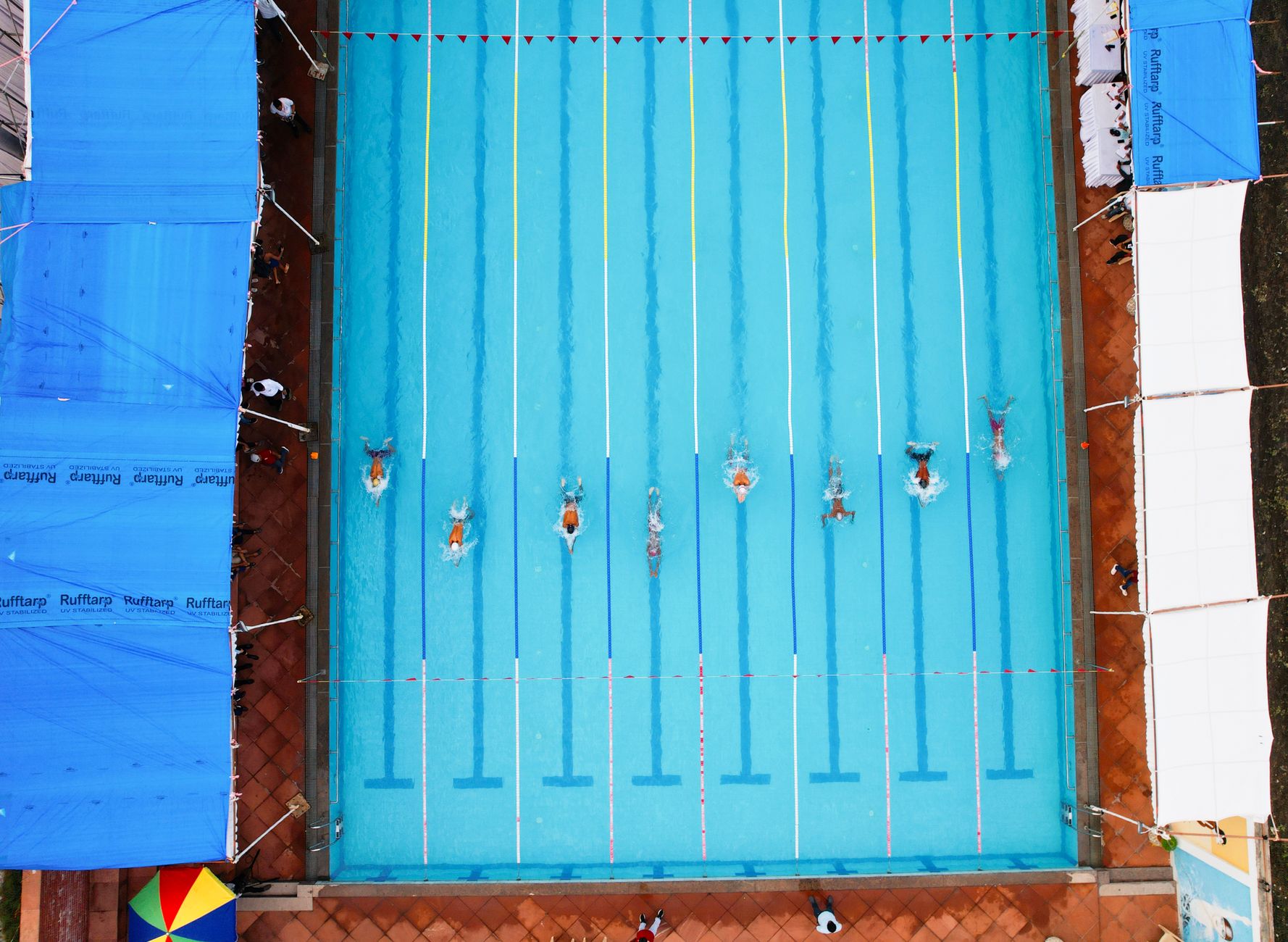
Understanding the Importance of Regular Pool Maintenance
A swimming pool is more than just a place to cool down during warm weather. It provides an ideal space for relaxation, exercise, entertainment, and quality time with family and friends. However, keeping a swimming pool attractive, hygienic, and safe requires regular attention and proper maintenance. Water that appears clear is not always completely clean, as bacteria, microorganisms, chemicals, and microscopic contaminants may still be present. A reliable maintenance routine should include water testing, debris removal, brushing, vacuuming, filtration, circulation, and equipment inspection. Regular pool cleaning helps prevent dirt, organic material, algae, and other contaminants from accumulating in the water and on pool surfaces. When these tasks are completed consistently, pool owners can reduce common maintenance problems, improve water quality, and create a more comfortable swimming environment. Good maintenance also helps protect the pool's surfaces and equipment from unnecessary damage, making regular care an important part of preserving the overall condition of the swimming pool.
Maintaining Proper Water Chemistry
One of the most important responsibilities in swimming pool maintenance is keeping the water chemistry properly balanced. Pool water requires suitable levels of chlorine, pH, alkalinity, and other chemical components to remain safe and comfortable for swimmers. When pH levels become too high or too low, they can contribute to cloudy water, irritation, scale buildup, or damage to certain pool components. Chlorine is also essential because it helps control harmful microorganisms and prevents unwanted biological growth. However, chemicals should never be added without first checking the water because incorrect quantities can create additional problems. Pool owners should regularly test the water with appropriate testing equipment and adjust chemical levels according to the results. Water should also be tested after heavy rain, periods of extreme heat, or unusually high pool usage because these factors can affect chemical balance. Proper water chemistry supports cleaner water, protects pool surfaces, and helps create a more pleasant experience for swimmers.
Removing Leaves and Surface Debris
Outdoor pools are constantly exposed to environmental debris such as leaves, grass, insects, pollen, dust, and other particles. Wind and rainfall can introduce large amounts of material into the water, while everyday activity can also contribute to debris accumulation. If these materials remain in the pool for too long, they can sink to the bottom, clog baskets, contribute to stains, and provide organic material that supports algae growth. Using a pool skimmer regularly is an effective way to remove floating debris before it settles. Skimmer baskets and collection areas should also be checked and emptied because excessive debris can restrict water flow and reduce filtration efficiency. During seasons when trees shed large amounts of leaves, surface cleaning may need to be performed more frequently. Removing debris promptly is one of the simplest maintenance tasks, but it can make a noticeable difference in water appearance and overall cleanliness. A pool that is regularly cleared of debris is generally easier to maintain and requires less intensive cleaning later.
Brushing Pool Walls and Floors
Surface brushing is an important maintenance task because skimming alone cannot remove dirt and algae that attach themselves to pool walls and floors. Over time, organic material can form a thin layer on surfaces, especially in corners, steps, ladders, behind fittings, and areas where water circulation is weaker. Regular brushing helps loosen this material so that it can be removed through filtration or vacuuming. The type of brush used should be appropriate for the pool surface because concrete, plaster, vinyl, tile, and fiberglass may require different cleaning approaches. Brushing should be performed carefully but thoroughly, with special attention given to areas that are difficult to reach. Regular brushing can also help prevent algae from becoming firmly established on surfaces. When combined with balanced water chemistry and effective circulation, brushing becomes a valuable preventive measure. Maintaining clean surfaces not only improves the appearance of the pool but also reduces the amount of material that eventually enters the filtration system.
Keeping the Filtration System Efficient
The filtration system is one of the most important components of a swimming pool because it removes suspended particles and contaminants from the water. Depending on the pool system, filtration may be handled by sand filters, cartridge filters, or other specialized equipment. Regardless of the filter type, regular inspection and maintenance are necessary to keep the system operating effectively. A dirty or clogged filter can restrict water flow and reduce the system's ability to remove contaminants. Pool owners should follow the manufacturer's recommendations regarding filter cleaning, replacement, and operating pressure. Changes in filtration performance can also indicate problems elsewhere in the circulation system. If water remains cloudy despite apparently correct chemical levels, the filter should be inspected as part of the troubleshooting process. Keeping the filtration system clean allows it to work more efficiently and can reduce unnecessary strain on the pump. Effective filtration, combined with proper circulation, plays a major role in maintaining clear and attractive pool water.
Preventing Algae Growth
Algae is among the most common problems encountered by swimming pool owners, particularly when water chemistry, filtration, or circulation is not properly maintained. Green algae can develop rapidly under favorable conditions and may spread across walls, floors, steps, and other surfaces. Other types of algae may appear in different colors and can sometimes be more difficult to eliminate once they become established. Prevention is usually easier than removing a serious algae infestation, making regular maintenance extremely important. Pool surfaces should be brushed regularly, sanitizer levels should be monitored, and circulation equipment should operate correctly. Organic debris should also be removed promptly because it can provide nutrients that encourage algae growth. If algae begins to appear, the cause should be investigated instead of simply treating the visible symptoms. Recurring algae may indicate an underlying problem with water balance, circulation, filtration, or cleaning practices. A consistent preventive routine can significantly reduce the possibility of repeated algae problems and help keep the swimming pool attractive.
Protecting Pool Surfaces
Different swimming pool surfaces require appropriate care to maintain their appearance and durability. Concrete, plaster, tile, vinyl, and fiberglass can each respond differently to chemical imbalances, mineral deposits, dirt, and physical wear. If contaminants remain on surfaces for extended periods, they can become difficult to remove and may contribute to stains or discoloration. The waterline is particularly susceptible to the accumulation of oils, minerals, cosmetics, and other materials because it is repeatedly exposed to changing water levels. Pool owners should select brushes, cleaning tools, and products that are suitable for their particular pool finish. Unsuitable household cleaning products may damage surfaces or introduce substances into the pool that interfere with water chemistry. Regular inspection can also help identify cracks, loose tiles, unusual stains, fading, or other signs of deterioration. Addressing surface problems early can help prevent minor issues from developing into expensive repairs and can extend the useful life of the pool finish.
Inspecting Pumps and Pool Equipment
Pool equipment is just as important as the water itself because pumps, filters, heaters, skimmers, drains, valves, and automatic cleaners all contribute to proper pool operation. Equipment should be inspected regularly for leaks, unusual sounds, reduced water flow, visible damage, or other signs of malfunction. A pump that is not operating efficiently may fail to circulate water properly, while a blocked component can affect filtration and overall water quality. Automatic cleaning systems should also be checked to make sure they are functioning correctly and reaching the areas they are designed to clean. Maintenance should always follow the manufacturer's instructions, especially when electrical or mechanical components are involved. Detecting equipment problems early can prevent minor faults from developing into expensive failures. Well-maintained equipment also supports effective circulation and filtration, making other maintenance tasks easier and more efficient. Regular equipment inspections should therefore be considered an essential part of responsible pool ownership.
Adjusting Maintenance for Seasonal Changes
Weather and seasonal conditions can have a significant effect on pool maintenance requirements. Hot temperatures can increase evaporation and may cause sanitizer levels to change more quickly, while heavy rainfall can introduce additional contaminants and alter water chemistry. Windy weather may bring leaves, dust, pollen, and other debris into the pool. During cooler periods, some pools remain open while others are prepared for extended periods of limited use. The appropriate maintenance approach depends on the pool design, equipment, climate, and expected usage. Before a period of reduced activity, owners should test the water, remove debris, inspect equipment, and follow appropriate preparation procedures. When regular use resumes, the pool should be inspected and cleaned before swimmers return. Seasonal maintenance helps prevent unexpected problems and ensures that the pool remains in better condition despite changing environmental conditions. Adjusting maintenance practices according to weather and usage is more effective than following exactly the same routine throughout the year.
Creating a Practical Maintenance Schedule
A well-organized maintenance schedule can make pool care easier and prevent important tasks from being forgotten. Daily activities may include checking the appearance of the water, removing floating debris, and observing equipment for obvious problems. Several times a week, owners can test the water, brush pool surfaces, inspect baskets, and check water levels. Vacuuming can be performed according to the amount of dirt and debris that accumulates. Filters and other equipment should be maintained according to their specific service requirements and manufacturer recommendations. A written or digital schedule can be especially useful when several people share responsibility for pool maintenance. Regular small tasks are generally easier to manage than allowing problems to build up and attempting to solve everything at once. Consistency is one of the most important factors in successful pool care because it prevents contaminants from accumulating and allows potential problems to be identified before they become more serious.
Monitoring Water Levels
Maintaining an appropriate water level is another important part of effective pool care. Water can be lost through evaporation, splashing, rainfall changes, and routine maintenance activities. If the level becomes too low, the circulation system may not operate properly, while an excessively high level can reduce the effectiveness of surface skimming. Pool owners should therefore monitor the water level regularly and maintain it within the range recommended for their specific system. Unexplained or continuous water loss should also be investigated because it may indicate a leak. A hidden leak can waste water and may eventually affect surrounding structures or equipment. Although checking water levels requires very little time, it can provide valuable information about the overall condition of the pool. Including water-level checks in the regular maintenance routine helps ensure that pumps, skimmers, and circulation equipment can continue operating as intended.
Keeping the Surrounding Area Clean
The area surrounding a swimming pool can have a direct impact on the cleanliness of the water. Leaves, dirt, grass, dust, and other debris on decks or patios can easily enter the pool through wind, rain, footwear, or normal activity. Sweeping surrounding surfaces and removing accumulated debris can reduce the amount of contamination entering the water. Pool furniture and nearby structures should also be kept reasonably clean because they can collect dust and organic material. Drainage areas should remain clear so that water can move away from the pool properly. Keeping the surrounding area clean can also improve safety by reducing slippery debris and making walking surfaces easier to use. Swimmers can introduce oils, lotions, cosmetics, sweat, and other substances into the water, so encouraging swimmers to shower before entering the pool can be beneficial. A complete maintenance routine should therefore address both the water and the environment around the pool.
Improving Energy Efficiency
Swimming pool pumps, heaters, filters, and other equipment can consume significant amounts of energy, especially when they are poorly maintained or operating inefficiently. A clogged filter, restricted water flow, or damaged pump may cause equipment to work harder than necessary. Regular inspection and maintenance can help equipment operate more efficiently and may reduce unnecessary energy consumption. When equipment eventually requires replacement, pool owners can consider modern energy-efficient options that are appropriate for their system. Pool covers may also help reduce evaporation, limit debris entering the water, and reduce heat loss in heated pools. Energy efficiency should never compromise appropriate filtration, circulation, or sanitation, but there are many ways to reduce unnecessary energy use while maintaining good water quality. Efficient equipment combined with proper maintenance can provide long-term financial and environmental benefits.
When Professional Assistance Is Helpful
Many routine maintenance tasks can be completed by pool owners, but some situations require professional knowledge or specialized equipment. Professional assistance may be helpful when a pool develops persistent water-quality problems, equipment failures, leaks, unusual stains, or circulation issues. Trained technicians can inspect pumps, filters, heaters, valves, and other components that may be difficult to diagnose without technical experience. Professional services can also be useful for deep cleaning, equipment repairs, seasonal preparation, or complicated chemical problems. This does not mean that every pool requires frequent professional servicing. Many owners can successfully manage regular maintenance while relying on professionals when a problem becomes too complex or difficult to handle safely. Combining personal maintenance with professional support when necessary can provide a practical balance between convenience, cost, and long-term pool protection.
Developing Better Cleaning Habits
Effective pool care becomes much easier when cleaning and maintenance are treated as regular habits rather than emergency tasks. Waiting until the water becomes cloudy, surfaces become heavily stained, or equipment stops working can create significantly more work and expense. Keeping basic cleaning equipment, testing supplies, and maintenance products organized can make routine tasks faster and more convenient. It can also be helpful to maintain records of water tests, chemical adjustments, filter servicing, and equipment inspections. These records may reveal patterns, such as unusually rapid changes in chemical levels or repeated circulation problems, allowing owners to address underlying issues more effectively. Regular pool cleaning should be viewed as part of a broader maintenance system that includes water chemistry, filtration, circulation, surface care, and equipment inspections. Consistent attention makes the pool easier to manage and reduces the likelihood of serious problems developing over time.
Protecting Your Pool Investment
A swimming pool represents a considerable investment, and proper maintenance can help protect that investment for many years. Neglected water and equipment may lead to algae growth, stains, surface damage, corrosion, inefficient filtration, and costly repairs. Regular inspections and cleaning allow owners to identify potential problems while they are still manageable. Balanced water chemistry can help protect swimmers and pool components, while effective filtration and circulation support clear water. Maintaining surrounding areas can reduce the amount of debris entering the pool, while equipment checks can identify mechanical problems before they become major failures. Preventive maintenance is generally more convenient and less expensive than repairing extensive damage caused by long-term neglect. A consistent maintenance routine can therefore protect not only the appearance of the swimming pool but also its functionality and long-term value.
Conclusion
Maintaining a swimming pool requires a combination of regular cleaning, balanced water chemistry, effective filtration, proper circulation, surface care, equipment inspection, and attention to the surrounding environment. No single task can keep a pool in excellent condition by itself. Long-term results come from completing several maintenance responsibilities consistently and responding quickly when something appears unusual. Removing debris, brushing surfaces, testing water, monitoring water levels, maintaining filtration, inspecting equipment, and preventing algae all contribute to a cleaner and healthier swimming environment. Creating a practical schedule makes these responsibilities easier to manage and prevents maintenance from becoming overwhelming. With consistent care and pool cleaning, pool owners can enjoy clearer water, better equipment performance, improved safety, and a more attractive swimming environment while helping protect their pool investment for years to come.









1 thought on “Essential Pool Cleaning and Maintenance Tips to Keep Your Swimming Pool Clean, Clear, Healthy, Attractive, and Ready for Use”
Comments are closed.