Have you ever wondered why some buildings last for decades while others show problems soon after completion? The difference often comes down to the quality of checks carried out during construction.
Simple tests can spot weak spots before they turn into big issues. Every safe building stands on strong materials and careful inspections.
Skipping key tests may lead to high repair costs or even danger. Building right isn’t just about speed-it’s about safety.
This article will show you the essential tests that keep your construction safe and strong. Keep on reading!
Soil testing is an essential step before construction begins. The soil type and its capacity to support a structure are both evaluated in this test. It is possible for a building to sink or tilt if the soil is weak.
During testing, clay, sand, or silt, as well as their mixture, are examined. Based on the findings, the builders can determine the depth or strength of the foundation. To prevent future cracks, the soil’s moisture and strength are evaluated.
An otherwise good design can fail if the soil is not tested. With proper soil testing, costly mistakes can be avoided in the future. Be sure to start the construction process with reliable soil tests.
Concrete Strength Testing
Concrete holds a structure together, so the material’s strength is very important. There is a process of taking samples and determining how much weight they can support. To determine the strength of these samples, specialized machines crush them.
If the concrete is not strong enough, it may crack or break under pressure. To identify potential issues at an earlier stage, testing is conducted at various points. Strong concrete ensures that the walls, floors, and columns are safe.
To prevent accidents, builders rely on these tests. Future repairs are a possibility for projects that skip this step. A concrete foundation supports every solid structure.
Steel Quality Checks
Steel bars inside walls and beams add strength to buildings. Quality checks make sure the steel will not snap or rust. Machines bend and stretch steel samples to see how much stress they can withstand.
Rusty or weak steel is taken out and replaced. Good steel helps buildings stand during storms or earthquakes. These checks are quick but vital for safety.
If steel fails the tests, new steel must be used. Steel testing is a simple step that saves lives. Never skip this check during construction.
Brick, Block, and Material Testing
Bricks and blocks must be strong and the right size. Tests check if they can carry the weight of the building above. Builders look for cracks, holes, or odd shapes in every batch.
Water tests show whether bricks absorb too much water, which can weaken them. Only uniform bricks are used for safe, straight walls. Weak bricks can crumble or allow dampness to seep in over time.
These simple tests help pick the best materials. Good bricks mean fewer repairs down the road. Tested materials make every building last longer.
Water Quality Testing for Construction
Water mixes with cement and mortar, so it must be clean. Dirty water may contain salt or chemicals that harm concrete and steel. Testing compares site water to safe drinking standards.
If the water fails, builders must use clean water from another source. Only clean water makes strong concrete and mortar. Good water also keeps bricks and plaster strong.
These checks take little time but prevent big problems. Water quality is often overlooked but is very important. Never ignore water testing at your site.
Alignment, Level, and Plumb Checks
Every wall, floor, and beam has to be straight and level by the builders. Levels and plumb lines are used to make sure that nothing leans or sags. Uneven surfaces can lead to cracks, leaks, or doors and windows that don’t fit properly.
The building is safe and clean because it is checked at every stage. Fixing mistakes early on with simple tools saves money. The building looks better when it is well aligned.
Skipping these checks can lead to costly repairs. These easy tests are important for every good builder to know. A building with straight lines is safe and will last.
Electrical Safety Testing
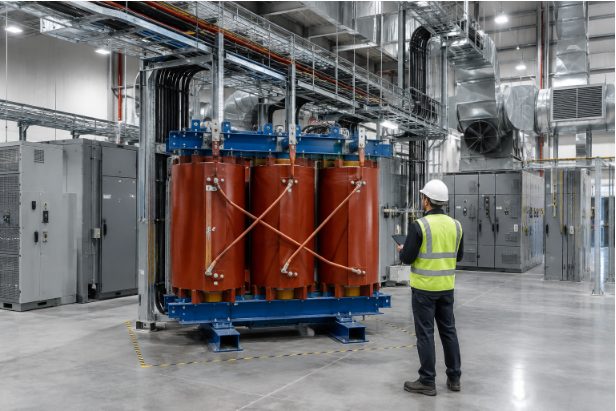
Electrical wires and outlets must be safe before anyone moves in. Inspectors check that wires are covered and connections are tight. They test all outlets and switches to prevent shocks or fires.
Faulty wiring can cause power cuts or sparks. Special tools help find hidden problems in the system. Safe wiring also saves on energy bills.
Before handing over the building, every circuit is checked. Good tests stop electrical problems before they start. Always ask for full electrical safety checks on every project.
Ensuring that power systems meet safety standards helps protect residential and commercial structures over time. Proper testing during construction reduces the risk of future wiring issues, which is why working with professionals like DT Electric in Clackamas can support overall system reliability and help avoid unexpected operational disruptions.
Plumbing Leak and Pressure Tests
Pipes must carry water safely without leaks. Builders use pressure tests to check for weak spots in pipes and joints. Any leaks must be fixed before work continues.
Stains or damp patches point to hidden leaks in walls or floors. Good plumbing keeps water where it belongs and stops waste. These tests also help spot early signs of pipe damage.
Healthy pipes protect walls, floors, and ceilings from water damage. Leaks can lead to more extensive repairs if left unaddressed. Plumbing checks keep the whole building safe and dry.
Fire Safety and Ongoing Product Testing
Fire safety checks help save lives in emergencies. Inspectors test alarms, fire doors, and escape routes. Emergency lights and signs guide people out quickly.
Fire-resistant materials slow down flames and buy time. Drills show if people can exit safely. Tests check that all systems work before anyone moves in.
Fire safety is not a one-time job. Regular building product testing ensures that all safety features and materials remain in top condition. These steps protect everyone inside the building.
The Power of Smart Testing
To construct sturdy, secure buildings, quality testing is essential. With each test, we can prevent major issues and costly repairs.
Skipping checks can put lives in danger and result in financial loss. By performing thorough inspections, one can ensure that every component functions as it should. Even after construction is complete, regular inspections ensure their safety.
Did you like this guide? Great! Please browse our website for more!