

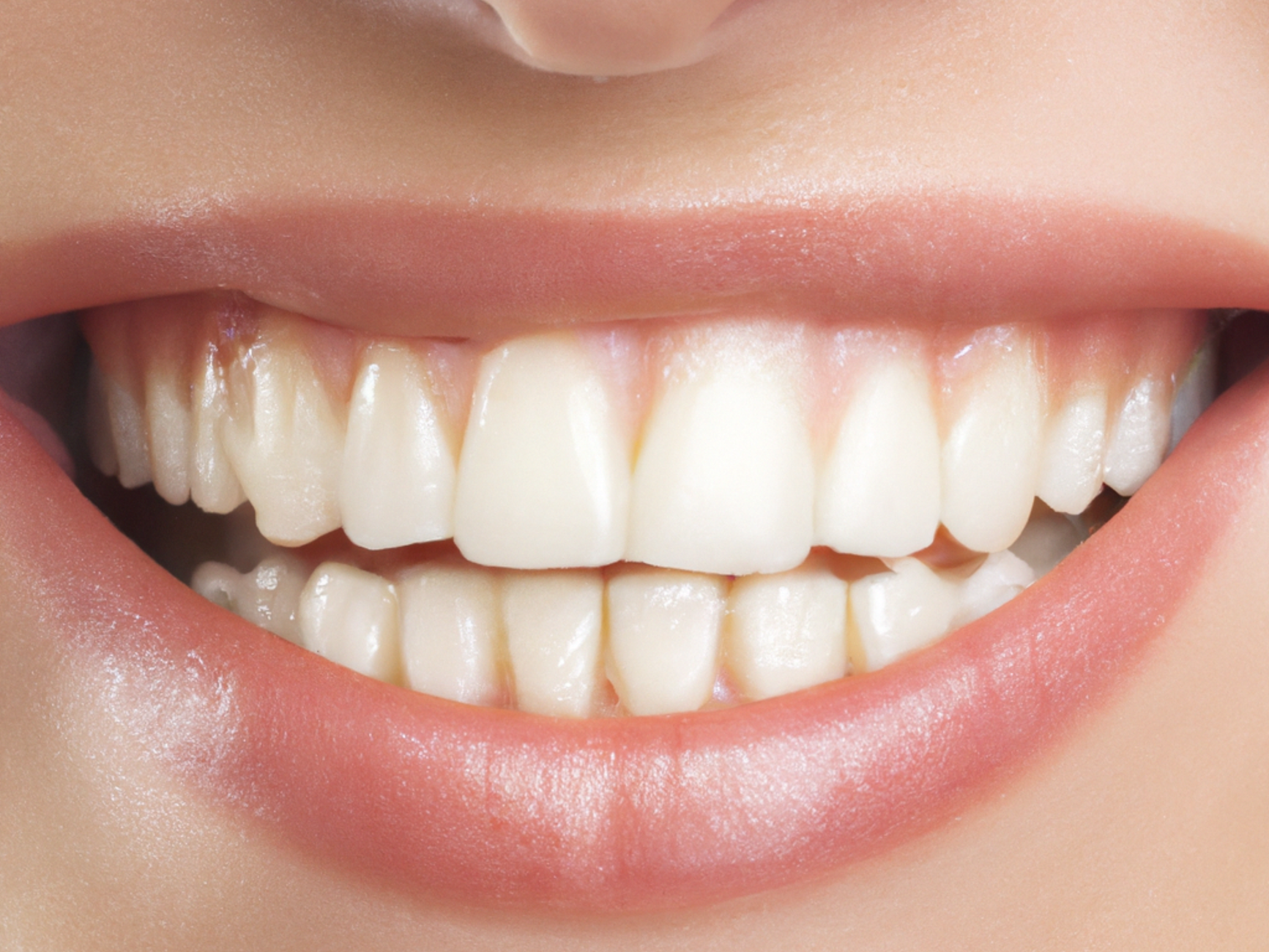
A healthy smile is one of the most valuable parts of everyday life because strong teeth and healthy gums support comfortable eating, clear speech, fresh breath, and personal confidence. Maintaining oral health requires more than brushing occasionally or visiting a dental office only when pain develops. Teeth and gums are exposed to bacteria, food particles, acids, pressure, and other factors every day, making consistent care essential. Simple habits such as brushing correctly, cleaning between the teeth, drinking water, choosing nutritious foods, and protecting the mouth from injury can make a meaningful difference over time. Professional preventive care is equally important because some oral health problems can develop gradually without obvious symptoms. By combining daily habits with regular professional guidance, individuals can protect their smiles and support better oral health throughout their lives.
Understanding the Importance of Oral Health
Oral health affects much more than the appearance of a smile. Healthy teeth make it easier to chew food, while healthy gums provide essential support for the structures surrounding the teeth. Problems such as tooth decay, gum inflammation, sensitivity, and damaged teeth can interfere with everyday comfort when they are not addressed appropriately. A dentist can evaluate the condition of the mouth and identify concerns that may not be obvious during ordinary home care. Professional guidance can also help people understand which habits may be increasing their risk of dental problems. Maintaining oral health should therefore be viewed as an ongoing process that combines prevention, proper hygiene, healthy lifestyle choices, and timely treatment.
Establishing a Consistent Brushing Routine
Brushing is one of the simplest and most effective ways to remove plaque from the teeth and gumline. Plaque develops continuously and contains bacteria that can contribute to tooth decay and gum irritation. Brushing twice each day with fluoride toothpaste can help remove this buildup and protect the enamel. The toothbrush should be moved gently across the front, back, and chewing surfaces of the teeth while also paying attention to the gumline. Applying excessive pressure is unnecessary and may irritate the gums or contribute to tooth wear. A dentist can demonstrate an effective brushing technique and suggest adjustments for areas that are difficult to clean. Consistency is especially important because regular brushing helps control plaque before it has an opportunity to cause problems.
Choosing the Right Toothbrush
The toothbrush should be comfortable, effective, and appropriate for individual oral health needs. Soft-bristled brushes are commonly recommended because they can clean effectively while being gentle on the gums. Both manual and electric toothbrushes can be useful when used correctly and consistently. People with sensitive teeth, orthodontic appliances, gum concerns, or other specific needs may benefit from specialized designs. A dentist can help determine which type of toothbrush may be most suitable and explain how to use it properly. Toothbrushes should also be replaced when the bristles become worn, bent, or damaged. Choosing an appropriate brush and maintaining good technique can improve daily plaque removal without unnecessarily irritating the teeth or gums.
Cleaning Between the Teeth
Brushing alone cannot clean every area of the mouth, especially the narrow spaces between teeth. Plaque and food particles can collect in these areas and may contribute to gum inflammation or tooth decay when they remain undisturbed. Dental floss is a common option, while interdental brushes and other cleaning devices may be useful depending on individual circumstances. The chosen method should be used carefully and consistently to clean between the teeth without causing unnecessary injury. A dentist can demonstrate appropriate techniques and recommend an interdental cleaning method based on the individual's mouth. Making this step part of the daily routine can improve plaque control and support healthier gums. Regular interdental cleaning is particularly important for maintaining areas that a toothbrush cannot reach effectively.
Understanding Fluoride Protection
Fluoride is an important part of preventive dental care because it can strengthen tooth enamel and improve resistance to acids produced by oral bacteria. Fluoride toothpaste is commonly used during daily brushing because it provides direct exposure to the teeth. Some individuals may have a higher risk of cavities and could benefit from additional fluoride products or professional treatments. The appropriate approach depends on factors such as age, dental history, oral hygiene, and individual risk. A dentist can explain whether additional fluoride protection may be appropriate and how to use recommended products correctly. Combining suitable fluoride use with regular brushing and healthy habits can help strengthen enamel and reduce the risk of tooth decay.
Making Smart Food Choices
Diet can have a significant effect on the condition of the teeth and gums. Frequent consumption of sugary foods and beverages can encourage bacteria to produce acids that attack tooth enamel. Acidic products can also contribute to enamel erosion when consumed frequently or in large amounts. A balanced diet containing vegetables, fruits, whole grains, proteins, and other nutrient-rich foods can support both oral and general health. Drinking water regularly can help rinse away food particles and maintain hydration. A dentist can provide practical dietary recommendations when recurring cavities, sensitivity, or enamel concerns appear to be related to eating and drinking habits. Making thoughtful food choices does not require eliminating every favorite food but instead involves developing balanced and sustainable habits.
Reducing Frequent Sugar Exposure
The frequency of sugar exposure can be especially important for protecting the teeth. Repeatedly eating sugary snacks or sipping sweetened beverages throughout the day gives bacteria more opportunities to produce acids. Reducing the number of these exposures can help protect enamel and lower the risk of decay. Choosing water between meals and limiting sweet foods to occasional portions can be useful strategies. People can also choose nutritious snacks that provide energy without frequent exposure to added sugars. A dentist can help individuals understand how their eating patterns affect oral health and suggest realistic changes. Small adjustments in daily habits can make a meaningful difference when they are practiced consistently over an extended period.
Protecting Teeth From Physical Damage
Teeth can be damaged through accidents, sports injuries, falls, or habits that place excessive pressure on them. Chewing ice, pens, fingernails, or other hard objects can increase the risk of chips and fractures. People who participate in contact sports or activities involving potential facial impact may benefit from wearing an appropriately fitted mouthguard. Taking sensible precautions can reduce the possibility of preventable injuries. If a tooth becomes cracked, chipped, displaced, or damaged, professional evaluation should be considered promptly. A dentist can assess the extent of the injury and determine whether treatment, restoration, or monitoring is necessary. Protecting natural teeth from avoidable damage is an important part of maintaining long-term oral health.
Supporting Healthy Gums
Healthy gums are essential because they help hold the teeth securely and protect the surrounding structures. Plaque accumulation along the gumline can cause inflammation and may result in redness, swelling, tenderness, or bleeding. While occasional bleeding may have different causes, persistent or worsening symptoms should receive professional attention. A dentist can examine the gums and determine whether professional cleaning or additional treatment is needed. Daily brushing and interdental cleaning can help control plaque and support healthier gum tissue. Ignoring ongoing gum symptoms can allow inflammation to become more serious over time. Paying attention to gum health and responding to changes early can help protect both the gums and the natural teeth they support.
Recognizing Early Warning Signs
Being aware of changes in the mouth can help individuals seek care before problems become more complicated. Persistent tooth pain, unusual sensitivity, swelling, bleeding, bad breath, discoloration, loose teeth, or discomfort while chewing may indicate an underlying concern. Some oral health conditions can develop without severe pain, which means waiting for obvious discomfort is not always advisable. A dentist can examine symptoms and determine whether they may be related to decay, gum disease, infection, trauma, or another condition. Early evaluation can sometimes allow treatment to be simpler and help prevent additional damage. Developing the habit of paying attention to changes in the mouth is therefore an important part of responsible oral care.
Maintaining Regular Professional Examinations
Professional examinations provide an opportunity to monitor oral health and identify changes over time. The ideal frequency of appointments varies depending on factors such as age, oral health history, risk of decay, gum condition, and previous treatment. During an examination, a dentist can evaluate the teeth, gums, bite, and other areas of the mouth while discussing any concerns. These appointments can also provide an opportunity to review brushing techniques, dietary habits, sensitivity, restorations, and preventive measures. Regular visits should not be considered necessary only when pain develops. Ongoing professional monitoring can help identify problems earlier and provide personalized guidance for maintaining healthier teeth and gums.
Understanding the Value of Professional Cleanings
Professional cleanings can remove hardened deposits that ordinary brushing and flossing may not eliminate completely. Plaque that remains on the teeth can eventually harden into calculus, especially around the gumline and other difficult-to-reach areas. Professional cleaning can remove this buildup and create a cleaner environment for the teeth and gums. It may also help reduce certain surface stains and improve the overall feeling of cleanliness. A dentist or dental hygienist can provide recommendations for improving home-care techniques after a cleaning. Professional cleanings should complement daily oral hygiene rather than replace it. Combining both approaches can provide more complete plaque control and help maintain healthier gums.
Managing Tooth Sensitivity
Tooth sensitivity can make ordinary activities such as drinking cold beverages or eating hot foods uncomfortable. Sensitivity can have different causes, including enamel wear, gum recession, decay, damaged restorations, or other oral conditions. Occasional sensitivity may not always indicate a serious problem, but persistent or worsening discomfort should be evaluated. A dentist can examine the affected teeth and determine what may be causing the symptoms. Depending on the underlying issue, recommendations may include changes in brushing technique, specialized oral care products, dietary adjustments, or professional treatment. Simply avoiding foods that trigger sensitivity may provide temporary relief but does not necessarily resolve the underlying cause. Proper evaluation is important when sensitivity continues.
Caring for Children's Teeth
Children should begin learning healthy oral hygiene habits as early as possible because early routines can influence dental health throughout life. Parents and caregivers can help children brush properly and supervise them until they develop sufficient coordination to clean their teeth effectively. Limiting frequent sugary snacks and drinks can also help reduce the risk of cavities. A dentist can monitor children's dental development and provide age-appropriate recommendations for brushing, fluoride use, nutrition, and preventive care. Positive experiences with professional dental visits can help children become comfortable with oral care and reduce fear. Teaching children that brushing and professional examinations are normal parts of life can establish habits that continue into adulthood.
Maintaining Oral Health During Adulthood
Adult life often involves busy schedules, changing diets, work responsibilities, stress, and other factors that can affect oral hygiene. Some people may postpone professional appointments or neglect daily care during particularly demanding periods. Creating realistic routines can help maintain oral hygiene even when schedules become busy. A dentist can provide personalized recommendations based on lifestyle, dental history, and individual risk factors. Adults should also continue monitoring their teeth and gums for changes in sensitivity, discomfort, appearance, or function. Maintaining preventive care throughout adulthood can help preserve natural teeth and support comfortable eating, speaking, and smiling. Oral health remains important even when there are no obvious symptoms.
Caring for Dental Restorations
Dental restorations such as fillings, crowns, bridges, implants, and dentures require regular care and professional monitoring. Although these treatments can restore damaged or missing teeth, plaque can still accumulate around them and affect nearby natural teeth and gums. Brushing and cleaning between the teeth remain important for protecting both restorations and surrounding tissues. A dentist can explain specific cleaning methods for different types of dental work and monitor restorations during routine appointments. Changes such as looseness, discomfort, unusual sensitivity, or visible damage should be evaluated rather than ignored. Proper maintenance can help preserve the function and appearance of dental restorations and may extend their useful life.
Considering Cosmetic Dental Improvements
A confident smile can positively influence self-esteem, which is why some people consider cosmetic dental procedures. Professional whitening, bonding, veneers, reshaping, and other treatments may improve the appearance of teeth in appropriate circumstances. Cosmetic treatment should generally be considered after existing oral health concerns have been addressed. A dentist can evaluate the condition of the teeth and gums and explain which options may be suitable. Patients should understand the expected results, maintenance requirements, limitations, and long-term considerations before selecting a procedure. Making decisions based on both appearance and oral health can help ensure that cosmetic improvements complement a strong and healthy foundation.
Managing Dental Anxiety
Dental anxiety can make it difficult for some individuals to attend regular appointments or seek treatment when problems develop. Fear may be related to previous experiences, concerns about discomfort, unfamiliar procedures, or uncertainty about what to expect. Open communication can help make professional visits more comfortable and predictable. A dentist can explain procedures clearly, answer questions, and discuss ways to make the experience easier. Patients should feel comfortable communicating when they have concerns or need additional information. Developing trust with a dental professional can gradually reduce anxiety and encourage more consistent preventive care. Avoiding appointments because of fear can allow manageable problems to become more complicated, making it worthwhile to find strategies that support regular care.
Creating Habits That Last
The most successful oral health routine is one that can be maintained consistently over many years. Brushing at regular times, cleaning between the teeth, drinking water, choosing nutritious foods, protecting teeth from injury, and attending professional appointments can gradually become automatic. A dentist can help identify practical changes that fit an individual's lifestyle and specific oral health needs. Keeping oral hygiene products easily accessible can make daily routines more convenient. People do not need to change everything at once; gradual improvements can be highly effective when maintained consistently. The goal is to create sustainable habits that support healthy teeth and gums every day rather than relying on occasional intensive efforts.
Final Thoughts
Protecting your teeth, supporting healthy gums, and maintaining a confident smile requires a combination of daily hygiene, healthy lifestyle choices, preventive care, and timely professional attention. Brushing twice a day, cleaning between the teeth, using fluoride appropriately, reducing frequent sugar exposure, protecting the mouth from injury, and paying attention to warning signs can all contribute to better oral health. Regular professional examinations and cleanings provide additional support by identifying potential problems and removing buildup that home care may not completely address. A dentist can provide personalized guidance and help individuals adapt their oral care routines as their needs change. By making oral health a consistent priority, people can protect their natural teeth, maintain healthier gums, and enjoy a comfortable and confident smile for years to come.






2 thoughts on “Essential Tips for Protecting Your Teeth, Supporting Healthy Gums, and Maintaining a Confident Smile”
Comments are closed.