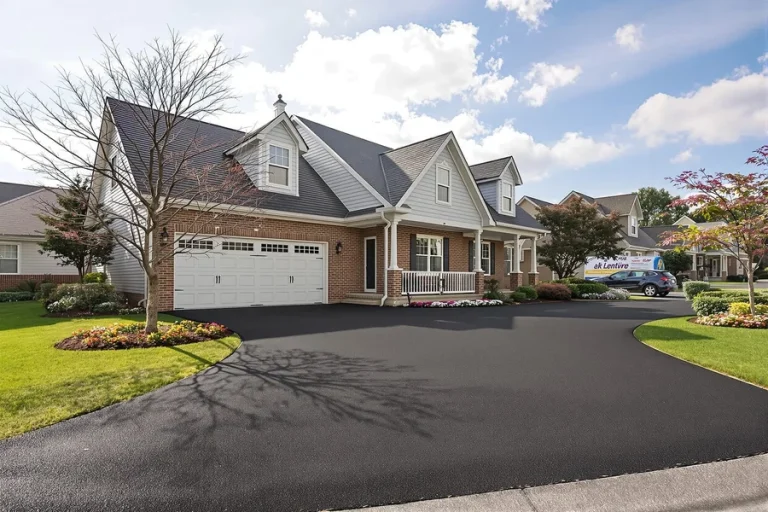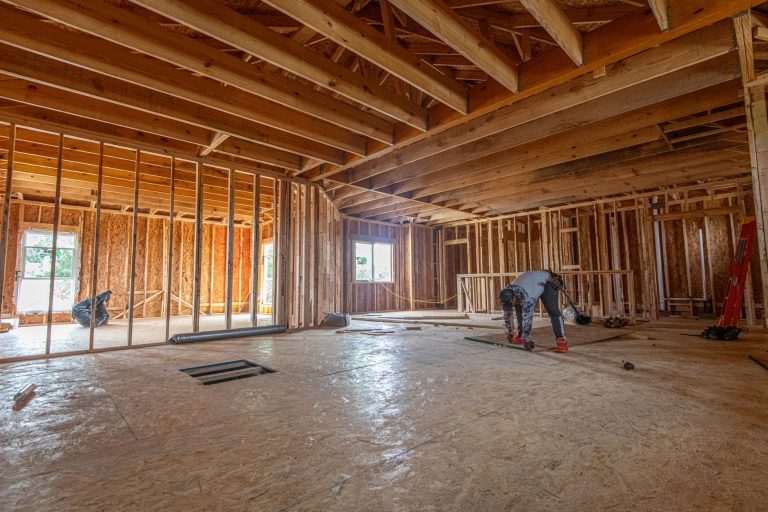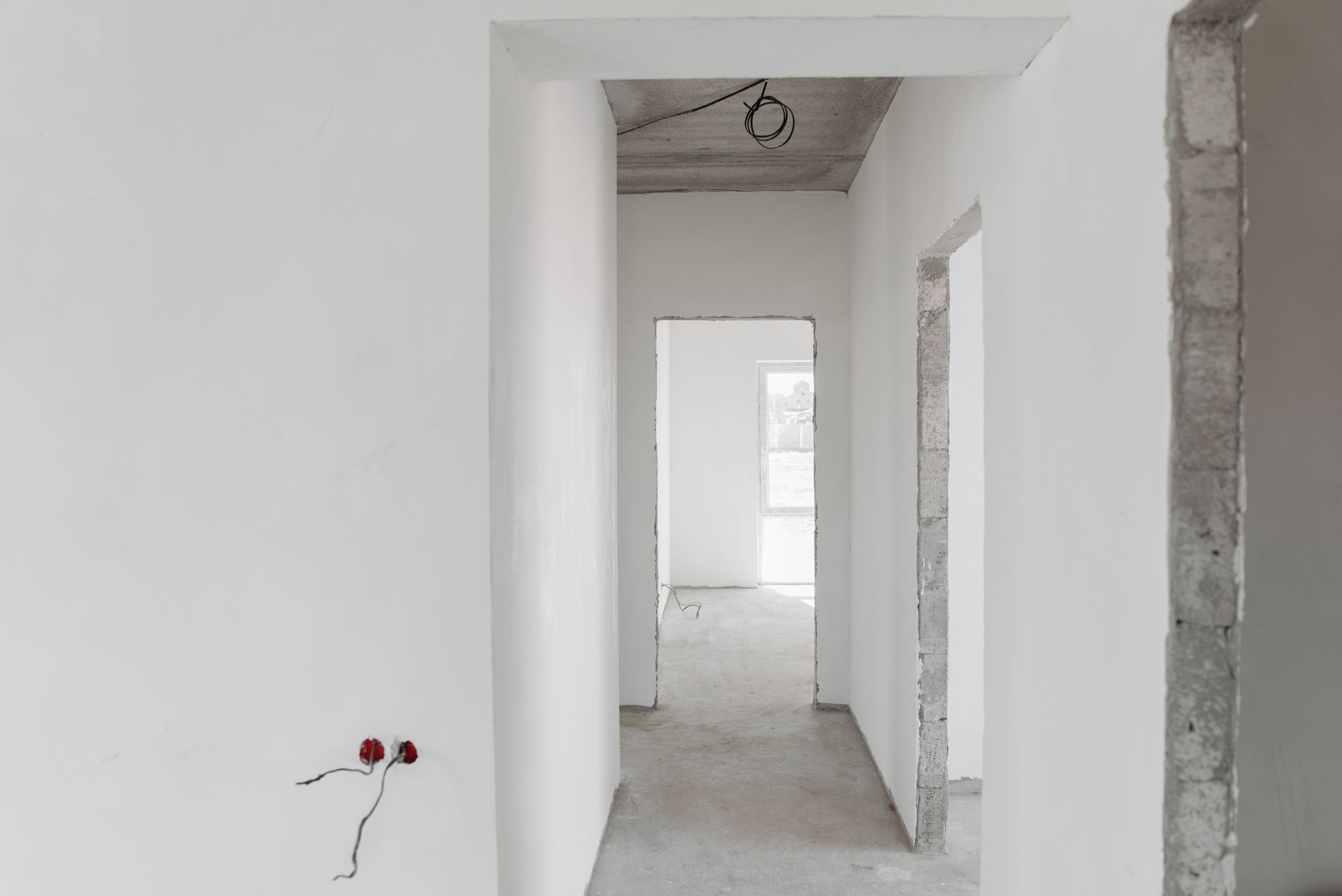
Completing a new building project or major renovation is an exciting milestone, but the property is not always ready for everyday use immediately after construction workers finish their tasks. Dust, debris, packaging materials, paint marks, adhesive residue, sawdust, grout, and other construction-related materials can remain throughout the space. These remnants can make newly completed rooms appear unfinished and may also make it difficult to see the true quality of the work. Post construction cleaning is an important final stage that focuses on transforming a worksite into a comfortable and usable environment. It involves more than removing visible waste because fine particles can settle on floors, walls, windows, cabinets, fixtures, and hard-to-reach areas. A systematic cleaning process can help create a fresh appearance while making it easier to identify any remaining imperfections or maintenance concerns. With careful planning, suitable equipment, and attention to detail, a newly built or renovated property can be prepared efficiently for furniture, equipment, and everyday activities.
Understanding the Importance of Final Cleanup
Construction work naturally produces different types of dirt and debris, and even careful workers cannot prevent every particle from settling throughout the property. Cutting, drilling, sanding, painting, tiling, and installing fixtures can release fine dust that travels beyond the immediate work area. Post construction cleaning helps remove this material and prepares surfaces for regular use. It can also improve visibility during the final inspection because clean floors, walls, windows, and fixtures make imperfections easier to notice. A property that has been carefully cleaned can create a much better first impression than one that still contains construction waste or dust. It also reduces the amount of work occupants need to perform after moving into the space. Instead of spending the first days cleaning around furniture and belongings, they can begin using the property more comfortably. Treating cleanup as an important final stage of the project helps ensure that construction and renovation work are completed to a more practical standard.
Creating a Detailed Cleaning Checklist
A large property can contain numerous rooms, surfaces, fixtures, and storage spaces, making it easy to forget certain areas. Creating a detailed checklist before beginning the final cleanup can help organize the work and reduce missed tasks. The checklist should cover floors, walls, ceilings, windows, doors, cabinets, appliances, bathrooms, kitchens, fixtures, storage areas, and other spaces affected by construction. Post construction cleaning should also include specific items such as removing paint splatters, checking for adhesive residue, cleaning vents, wiping trim, and removing debris from window tracks. Working through the checklist room by room makes the project easier to manage and provides a clear record of completed tasks. It is generally useful to clean higher surfaces first because dust can fall onto lower surfaces during the process. Floors can be addressed toward the end after most overhead and wall-level cleaning is finished. A structured checklist is particularly valuable when several people are working together because responsibilities can be divided clearly without unnecessary duplication.
Removing Large Debris First
The first stage should focus on removing larger pieces of construction waste before detailed surface cleaning begins. Cardboard, plastic wrapping, wood pieces, drywall fragments, packaging materials, and other unwanted items can make it difficult to access floors and surfaces. A thorough cleanup becomes much more efficient after large debris has been collected and removed. Sharp materials such as nails, screws, broken tiles, or fragments of glass should be handled with appropriate caution and disposed of safely. Construction waste may also require specific disposal methods depending on the type of material, so applicable requirements should be considered. Once the larger debris has been cleared, the property becomes easier to navigate and the remaining dust and residue become more visible. This stage can also reveal areas that require additional attention, such as stains beneath discarded materials or dust collected in corners. Removing large waste first creates a cleaner starting point for the more detailed stages that follow.
Removing Fine Construction Dust
Fine dust is one of the most persistent challenges after building or renovation work. Materials such as drywall, concrete, wood, and plaster can create particles that settle on almost every exposed surface. Unlike ordinary household dust, construction dust may be extremely fine and can easily become airborne again when disturbed. Post construction cleaning should therefore include careful dust removal from ceilings, walls, shelves, cabinets, floors, vents, window frames, and fixtures. Suitable vacuum equipment can help collect loose particles, while microfiber cloths can be used to capture remaining dust from surfaces. It may be necessary to repeat certain areas because dust can settle again after nearby surfaces are cleaned. Working from the highest surfaces downward can reduce this problem and prevent unnecessary repetition. Taking time to remove fine dust properly can significantly improve the appearance of the property and create a more comfortable environment for occupants.
Cleaning Floors and Flooring Materials
Floors often receive considerable exposure during construction and may contain dust, mud, paint drops, adhesive, grout, and other residue. Different flooring materials require different cleaning methods, so the surface should be identified before any product or technique is used. Post construction cleaning should include open floor areas as well as corners, edges, spaces near walls, and locations beneath fixtures. Loose debris should be removed before any wet cleaning begins to avoid spreading dirt across the surface. Stubborn marks may require specialized treatment, but aggressive scraping or unsuitable chemicals can damage newly installed flooring. Carpeted areas may need thorough vacuuming to remove fine particles, while hard flooring may require sweeping followed by appropriate mopping. Following manufacturer recommendations is especially important when dealing with new materials. Properly cleaned floors can have a major effect on the overall appearance of a newly completed property and can make the space feel much closer to being ready for everyday use.
Cleaning Windows and Glass Surfaces
Windows can become covered with dust and residue during construction, particularly when sanding, painting, or installing nearby materials. Glass may contain fingerprints, fine particles, paint splatters, or adhesive marks, while window tracks can collect larger amounts of debris. A detailed cleanup should address accessible glass, frames, sills, tracks, and surrounding surfaces. Loose dust should generally be removed before liquid cleaners are applied because otherwise it can create streaks or muddy residue. Non-abrasive materials should be used on glass to reduce the risk of scratches. Any paint or adhesive residue should be removed carefully using a method suitable for the particular surface. Window coverings such as blinds and shades should also be inspected if they were installed during the project. Clean windows can significantly improve the brightness and appearance of a newly completed space by allowing natural light to pass through without obstruction.
Cleaning Kitchens and Cabinets
New kitchens can contain significant amounts of construction dust and installation residue even when the cabinets and appliances look new. Cabinets and drawers should be opened and cleaned inside and outside before dishes, food, or other belongings are placed inside them. Post construction cleaning should include countertops, sinks, backsplashes, cabinet handles, appliance surfaces, and other fixtures. Fine sawdust can collect along cabinet edges and inside corners, while packaging materials may leave adhesive residue on newly installed surfaces. Appliances should be cleaned according to their individual care instructions, especially if they were exposed to dust during installation. Countertops should also be treated according to their material to prevent scratching or discoloration. The kitchen floor should be cleaned after the higher surfaces have been addressed so that falling dust does not create additional work. A clean kitchen can make the property feel substantially more complete and ready for regular activities.
Cleaning Bathrooms and Fixtures
Bathrooms may require detailed attention because renovation work often involves tile installation, plumbing, painting, fixtures, and other activities that can leave behind residue. Grout haze, caulk, adhesive, dust, fingerprints, and packaging materials may remain around sinks, toilets, showers, bathtubs, and cabinets. A thorough cleanup should include tiles, floors, mirrors, glass surfaces, faucets, storage spaces, and other fixtures. Grout residue should be treated carefully according to the material, while abrasive tools should be avoided when they could scratch surfaces. Fixtures should be checked for dust, fingerprints, water marks, and installation residue. Cleaning products should be selected based on the surface being treated, and chemicals should never be mixed unless their labels specifically indicate that doing so is safe. After the bathroom has been cleaned, allowing surfaces to dry properly can make it easier to inspect the finished work. A spotless bathroom can contribute significantly to the impression that the renovation has been fully completed.
Removing Paint, Adhesive, and Grout Residue
Some construction materials require more attention than ordinary dust and debris. Paint splatters, adhesive, silicone, caulk, grout, and tape residue can become attached to floors, windows, fixtures, and other surfaces. Post construction cleaning requires careful identification of the residue and determination of the safest method for removing it. Using an inappropriate chemical or scraping tool can permanently damage a newly finished surface. Manufacturer recommendations should be followed whenever available, particularly for delicate materials. The least aggressive effective method is generally preferable because it reduces the risk of scratches, discoloration, or surface damage. Patience is important when removing stubborn residue because rushing can create more problems than it solves. Once the material has been removed, the surface should be cleaned again to eliminate remaining particles or product residue. Careful treatment of these small details can make a substantial difference to the final appearance of the property.
Cleaning Walls, Ceilings, and Trim
Walls and ceilings may appear clean from a distance but can still contain a layer of fine construction dust. Trim, baseboards, doors, vents, light fixtures, and switches can also collect particles during renovation work. A detailed cleanup should include a careful inspection of these areas under good lighting. Painted surfaces should be treated gently and cleaned using methods appropriate for the specific finish. Excessive moisture or aggressive scrubbing can damage fresh paint. Trim and baseboards can be wiped carefully to remove dust and residue, while vents can be cleaned with suitable tools. Light switches and outlet covers should also be inspected because fingerprints and dust may remain after installation. Paying attention to these areas helps create a consistent appearance throughout the property rather than leaving some surfaces noticeably less finished than others.
Inspecting Cabinets and Storage Spaces
Cabinets, closets, shelves, and storage spaces can collect dust and debris during installation even if they were protected temporarily. These spaces should be opened and inspected before they are filled with belongings. A thorough cleanup should include wiping shelves, vacuuming corners, cleaning drawer interiors, and checking behind or beneath accessible components. Storage areas can also contain packaging materials, screws, labels, or small pieces of construction waste that are easy to miss. Removing these materials before the property is occupied can prevent unnecessary clutter later. It is useful to inspect each cabinet and drawer individually rather than assuming that all areas are equally clean. Once these spaces have been thoroughly cleaned, belongings can be stored without immediately introducing additional dust. Clean storage areas also make it easier to organize the property from the beginning.
Cleaning Hard-to-Reach Areas
Construction dust can travel into narrow gaps and hidden spaces that may not be obvious during the first inspection. Areas behind fixtures, beneath appliances, around vents, inside corners, and along trim can all collect particles. Post construction cleaning should include these locations wherever they can be safely accessed. Vacuum attachments can be particularly useful for reaching narrow spaces without moving heavy equipment. High surfaces should be approached carefully, and ladders or step stools should only be used in stable positions. Safety should always take priority over reaching an area that cannot be accessed safely. Inspecting hidden spaces can also reveal leftover materials or maintenance concerns that might otherwise remain unnoticed. Thorough attention to difficult areas ensures that the property is not merely clean in visible locations but has been properly prepared throughout the accessible space.
Conducting a Final Walkthrough
A final walkthrough should take place after the main cleaning work is complete. Each room can be inspected under good lighting to identify remaining dust, streaks, residue, debris, or unfinished areas. The cleaning checklist should be reviewed again so that every task can be confirmed. Post construction cleaning should be considered complete only after floors, windows, cabinets, walls, fixtures, appliances, bathrooms, kitchens, and storage spaces have been reviewed. A clean environment makes it easier to identify construction defects such as scratches, cracks, incomplete finishes, or damaged components. These issues should be documented and addressed through the appropriate construction or maintenance process rather than being overlooked because the property appears clean. The final walkthrough is also a good opportunity to confirm that no personal tools, packaging materials, or construction waste remain. Completing this step carefully provides confidence that the property is ready for furniture, equipment, and regular occupancy.
Maintaining the Property After Cleanup
Once the initial cleanup is finished, regular maintenance becomes important for keeping the property in good condition. Newly renovated spaces may continue releasing small amounts of dust for a short period, particularly where fine particles settle into gaps during construction. Regular vacuuming, dusting, and wiping can help manage this remaining material. A final cleanup should be followed by a practical household maintenance schedule that addresses frequently used surfaces regularly and less common tasks periodically. Establishing these routines early can prevent heavy buildup and reduce the need for major cleaning projects later. It is also useful to address spills, stains, and debris promptly instead of allowing them to remain on surfaces. Maintaining cleanliness from the beginning helps protect new materials and finishes while keeping the property comfortable. A consistent routine can make it easier to preserve the fresh appearance achieved after the construction project.
Deciding When Professional Assistance Is Appropriate
The amount of cleaning required after construction can vary considerably depending on the size and condition of the property. A small renovation may be manageable with household equipment, while a large building project can produce enough dust and debris to require specialized tools and additional workers. Professional assistance may be useful when the available time is limited or when certain cleaning tasks require specialized knowledge. Experienced cleaning teams may have commercial vacuums, appropriate tools, and established methods for handling construction residue. However, hiring professionals is not always necessary, particularly when the project is small and sufficient time is available. Before making a decision, it is helpful to assess the number of rooms, the amount of debris, the types of surfaces involved, and the level of cleaning required. A realistic assessment can help property owners choose the most practical approach while avoiding unnecessary stress.
Preparing the Property for Everyday Use
Once debris, dust, residue, and other construction materials have been removed, the property can begin its transition into a comfortable everyday environment. Furniture and personal belongings can be introduced after surfaces have been inspected and cleaned. Post construction cleaning helps ensure that occupants do not immediately have to deal with construction residue after moving in or beginning regular activities. Clean floors, clear windows, organized cabinets, and fresh bathrooms can make the property feel significantly more complete. It is also an appropriate time to establish where cleaning supplies will be stored and how regular maintenance will be handled. Taking these steps early can make it easier to preserve the property’s condition as normal use begins. The transition from construction site to usable property is much smoother when cleaning, inspection, organization, and maintenance are treated as connected parts of the same process.
Conclusion
A newly built or renovated property requires more than completed construction work before it is ready for everyday use. Dust, debris, paint, adhesive, grout, packaging materials, and other residues can remain on floors, walls, windows, fixtures, cabinets, and hidden areas. Post construction cleaning provides a practical way to remove these materials and reveal the quality of the finished space. By creating a checklist, removing large debris first, addressing fine dust, cleaning individual rooms carefully, treating surfaces according to their materials, and completing a detailed final walkthrough, property owners can achieve a much cleaner result. Safety and appropriate cleaning techniques should remain priorities throughout the process, particularly when dealing with chemicals, sharp debris, or elevated surfaces. Whether the work is completed independently or with professional assistance, careful organization can make the process more efficient. With the right approach, a newly completed property can move smoothly from a construction environment into a clean, comfortable, organized, and ready-to-use space.