

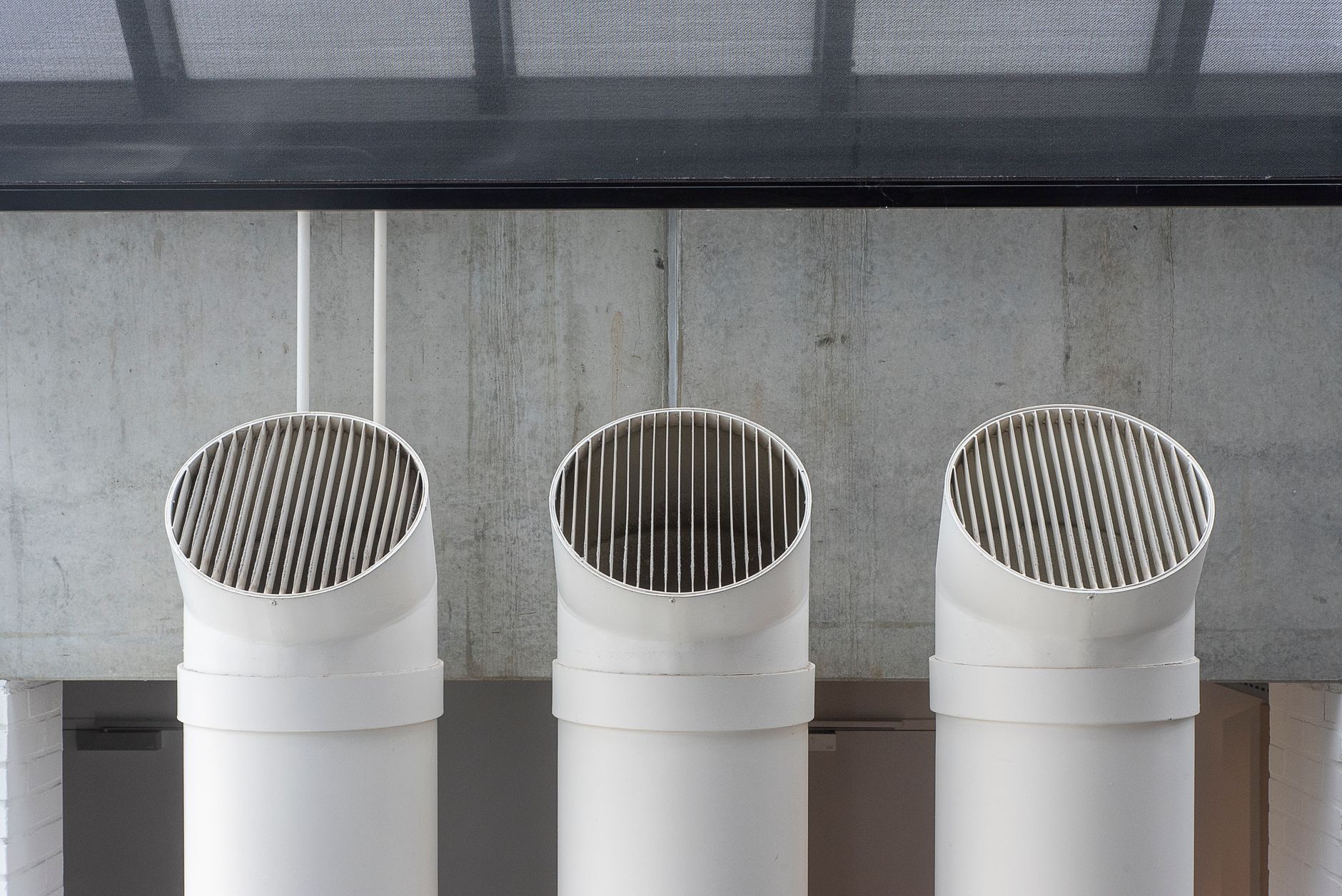
Maintaining a clean and comfortable indoor environment requires more than regular dusting, vacuuming, and surface cleaning. The ventilation system also deserves attention because it continuously moves air throughout the property and can collect dust, dirt, fibers, pet hair, and other particles over time. Air vents are among the most visible parts of this system, making their condition an important part of general home maintenance. When vent openings become covered with buildup, they can look dirty and may affect the overall appearance of a room. Air vent cleaning can help remove accumulated debris from accessible ventilation components and contribute to a cleaner indoor environment. Understanding how vent cleaning works and when it may be appropriate can help property owners make practical decisions about HVAC maintenance.
Understanding the Importance of Clean Air Vents
Air vents play an important role in distributing conditioned air throughout indoor spaces. They connect to ductwork and allow heated or cooled air to enter rooms while supporting the overall operation of the HVAC system. Because air moves through these pathways regularly, particles from the indoor environment can eventually settle around registers and grilles. Over time, this buildup can become visible and may require additional attention during routine cleaning. Air vent cleaning focuses on removing dust and debris from accessible vent components so they remain cleaner and better maintained. Although cleaning vents does not replace complete HVAC maintenance, it can be a useful part of a broader approach to keeping ventilation components in good condition.
Supporting Better Indoor Air Quality
Indoor air contains many different particles that come from both inside and outside the property. Dust, pollen, fibers, pet hair, and other materials can become airborne and eventually settle on surfaces or inside ventilation components. Regular housekeeping can reduce some of this buildup, but ventilation openings may still collect particles because of continuous airflow. Air vent cleaning can remove accumulated debris from accessible areas and help maintain cleaner vent surfaces. Indoor air quality depends on many additional factors, including filtration, ventilation, humidity, cleaning habits, and the condition of the HVAC system. For this reason, vent cleaning should be considered one part of an overall indoor air quality strategy rather than a complete solution by itself.
Improving the Appearance of Vent Openings
Dirty vent covers can become noticeable in rooms that are otherwise clean and well maintained. Dust and dark buildup around grilles may make walls, ceilings, and surrounding surfaces appear less clean. Since vent covers are exposed to circulating indoor air, they can collect particles faster than some other parts of a room. air vent cleaning can help remove visible buildup and restore a cleaner appearance to these components. Clean vent covers can complement regular dusting and vacuuming while making the entire room look more organized. Property owners should still inspect the surrounding areas because excessive dust around a vent may indicate that filters, ductwork, or other HVAC components also need attention.
Supporting Consistent Airflow
Proper airflow is important for maintaining comfortable temperatures throughout a property. When vents are blocked by furniture, rugs, curtains, dust, or debris, conditioned air may not distribute as effectively as intended. This can contribute to uneven temperatures between rooms and may make certain areas feel less comfortable. Air vent cleaning can help remove surface debris from accessible openings and support unobstructed airflow through the registers. Homeowners should also make sure that furniture and other objects are not positioned directly over or against vents. If airflow problems continue after basic cleaning and obstruction removal, the HVAC system may require a more detailed inspection to identify other causes.
Helping Maintain HVAC Performance
Heating and cooling systems depend on adequate airflow to operate properly. Restricted airflow can place additional demands on equipment and may affect how efficiently conditioned air reaches different parts of a property. Cleaning accessible ventilation components can support general system maintenance by keeping openings free from unnecessary debris. Air vent cleaning may be particularly useful when visible buildup has accumulated around registers or after activities that produce significant dust. However, homeowners should understand that vent cleaning alone does not guarantee lower energy use or improved HVAC efficiency. Filters, coils, blowers, ductwork, insulation, equipment age, and system design all influence HVAC performance and should be considered during regular maintenance.
Recognizing When Vents Need Cleaning
There is no single cleaning schedule that works for every property because ventilation systems differ in design, usage, and environmental conditions. Some homes may experience faster dust accumulation because of pets, renovation work, frequent occupancy, or other factors. Visible dust around registers, debris inside accessible vent openings, unusual odors, and noticeable buildup can all indicate that cleaning deserves consideration. Air vent cleaning can be scheduled when these conditions become apparent or as part of a broader maintenance program. Before arranging professional service, property owners should determine whether the issue is limited to the vent covers or extends deeper into the HVAC system. This can help ensure that the selected service addresses the actual source of the problem.
Cleaning After Renovation Projects
Home renovations can generate considerable amounts of dust and fine particles. Sanding, cutting, drilling, drywall installation, flooring work, painting preparation, and demolition can all introduce debris into indoor spaces. If the HVAC system operates while this work is being performed, some particles may settle around vents or enter ventilation pathways. Air vent cleaning can be useful after substantial renovation work when visible dust has accumulated on registers and accessible components. HVAC filters should also be inspected or replaced as appropriate after dusty projects. If a large amount of construction debris may have entered the ductwork, the system should be evaluated by a qualified professional before deciding whether deeper cleaning is necessary.
The Role of HVAC Filters
Air filters are one of the most important components of routine HVAC maintenance because they capture airborne particles before air continues through the system. A filter that becomes excessively dirty can restrict airflow and reduce system performance. Regular filter inspection and replacement should therefore remain a priority even when vent openings are kept clean. Air vent cleaning works alongside proper filter maintenance but cannot replace it. Homeowners should follow the equipment manufacturer’s recommendations while also considering the property’s specific conditions. Homes with pets, frequent occupancy, or higher levels of airborne dust may require more frequent filter attention than properties with lower particle levels.
Combining Vent Cleaning With Air Sealing
Air leakage can affect HVAC performance and indoor comfort by allowing conditioned air to escape through gaps and openings in the building envelope or ductwork. Cleaning vents does not correct these leaks, but maintaining clean and accessible ventilation components can make it easier to identify other potential problems. Air vent cleaning can be combined with appropriate HVAC inspections and air-sealing work when a property has noticeable airflow or comfort concerns. Sealing appropriate leaks can help conditioned air reach its intended destination instead of escaping unnecessarily. A complete evaluation is often more useful than focusing on a single issue because ventilation, ductwork, insulation, and air sealing all interact with one another.
Considering Moisture and Humidity
Moisture and indoor humidity can affect the overall condition of ventilation components and surrounding building materials. Excessive moisture may contribute to condensation, staining, or other concerns that should not be addressed through cleaning alone. If a vent shows signs of moisture, discoloration, or persistent dampness, property owners should investigate the underlying cause before scheduling routine cleaning. Air vent cleaning can remove dust and debris, but it cannot correct plumbing leaks, roof problems, ventilation deficiencies, or other sources of moisture. Identifying and resolving the cause is important for protecting the HVAC system and maintaining the condition of the surrounding structure.
Choosing Appropriate Cleaning Methods
Different HVAC systems contain different types of ductwork, registers, grilles, insulation, and mechanical components. Cleaning methods should therefore be selected according to the materials and construction of the system. Aggressive techniques or inappropriate tools can potentially damage components or disturb insulation. Air vent cleaning should be performed using methods suitable for the specific ventilation system and the level of buildup present. Professional cleaners can inspect accessible areas before beginning work and determine which tools are appropriate. Property owners should ask about the cleaning process, equipment, areas included, and precautions used to protect walls, floors, ceilings, and furnishings.
Protecting Vent Covers and Surrounding Surfaces
Vent covers are often made from metal, plastic, or other materials that can be damaged by harsh handling. Removing and cleaning them requires care, particularly when they are older or have accumulated layers of dust and grime. Surrounding walls and ceilings can also become marked if cleaning equipment is used without proper preparation. Air vent cleaning should be performed carefully to avoid damaging registers or creating additional mess around the openings. Using suitable tools and protecting nearby surfaces can make the process more efficient and less disruptive. After cleaning, vent covers should be properly secured so they remain stable during normal HVAC operation.
Benefits of Regular HVAC Maintenance
A clean ventilation system is only one part of responsible HVAC maintenance. Heating and cooling equipment should also receive appropriate inspections, filter changes, component cleaning, and performance checks. Regular maintenance can help identify unusual sounds, airflow problems, worn components, or other issues before they become more difficult to manage. Air vent cleaning can complement these maintenance activities by keeping accessible ventilation components free from unnecessary buildup. Homeowners should avoid assuming that cleaning one part of the system eliminates the need for professional equipment inspections. A complete maintenance plan considers the entire HVAC system and its role in maintaining indoor comfort.
Managing Dust in Busy Homes
Properties with pets, children, frequent visitors, or ongoing activities may experience greater amounts of dust and airborne debris. Cooking, cleaning, movement, and outdoor particles can all contribute to indoor dust levels. Over time, some of this material can accumulate around HVAC registers and other ventilation components. Air vent cleaning can help address visible buildup and maintain cleaner vent surfaces in busy indoor environments. However, regular vacuuming, dusting, filter replacement, and appropriate ventilation remain important for controlling overall dust levels. Combining routine cleaning habits with periodic HVAC maintenance can help prevent excessive buildup from becoming a larger problem.
Selecting a Reliable Service Provider
Choosing an experienced service provider is important when professional vent cleaning is required. Property owners should look for providers who clearly explain their cleaning methods, equipment, service areas, and pricing before beginning work. A reputable provider should also avoid unrealistic claims about guaranteed health benefits or dramatic energy savings from cleaning alone. Air vent cleaning should be presented as a maintenance service designed to remove appropriate dust and debris from accessible ventilation components. Homeowners should ask questions about what will be cleaned, how the system will be protected, and whether an inspection is performed before work begins. Clear communication can help ensure that the service matches the actual needs of the property.
Conclusion
Maintaining clean ventilation components is an important part of keeping an indoor environment comfortable, attractive, and well maintained. Dust, fibers, pet hair, and other particles can accumulate around vents over time, especially in busy properties or after renovation projects. Air vent cleaning can help remove this buildup from accessible components while complementing regular housekeeping and broader HVAC maintenance. However, effective ventilation care also requires appropriate filter replacement, airflow management, moisture control, equipment inspections, and attention to ductwork when necessary. Property owners should evaluate the actual condition of their system before deciding on a cleaning service and choose appropriate methods for the materials involved. With consistent maintenance and professional attention when needed, clean air vents can contribute to a cleaner indoor environment and better overall HVAC care.











3 thoughts on “The Complete Guide to Air Vent Cleaning and Its Benefits for Indoor Air Quality, Energy Efficiency, and Home Maintenance”
Comments are closed.