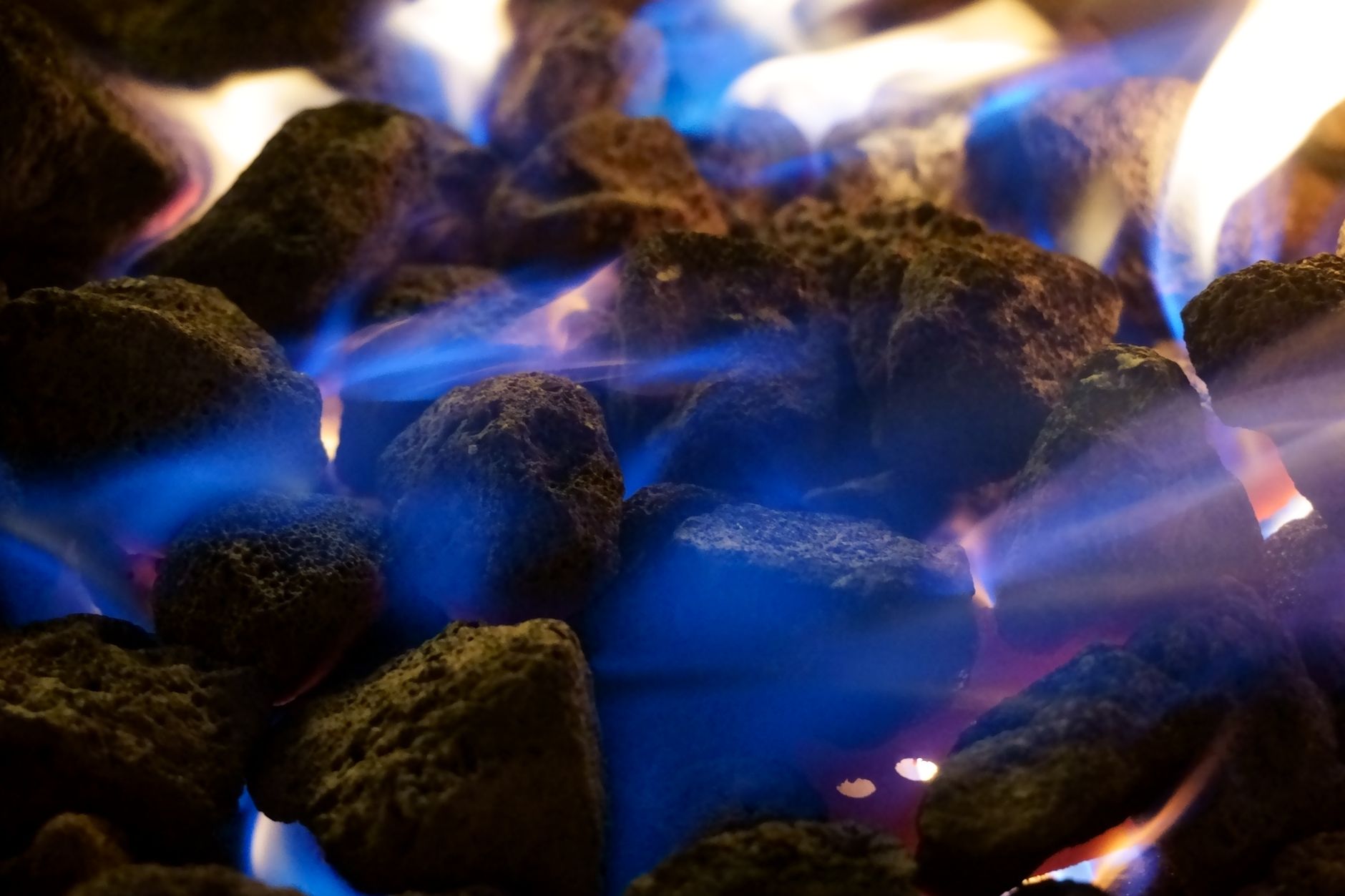
A gas fireplace can provide warmth, comfort, and an attractive focal point in a home, but it requires regular attention to remain in good working condition. Dust, dirt, pet hair, debris, and residue can gradually collect around different components, while normal operation can place stress on burners, glass, vents, and other parts. Regular gas fireplace cleaning helps maintain the appearance of the appliance while providing an opportunity to notice visible signs of wear or damage. Proper care is not only about making the fireplace look attractive; it is also about supporting reliable operation, protecting components, and addressing potential concerns before they become more complicated.
Why Regular Fireplace Maintenance Matters
Gas fireplaces contain several components that work together to produce and distribute heat. Although these systems are designed for regular use, they can be affected by dust accumulation, moisture, normal aging, and mechanical wear. Neglected maintenance may result in a dirty appearance, unusual flame patterns, reduced performance, or damage to certain components. Regular care allows property owners to monitor changes and identify problems earlier. It can also help preserve the appearance of the fireplace and surrounding area. A consistent maintenance routine is therefore an important part of responsible ownership.
Understanding the Main Components
A gas fireplace can include a burner assembly, gas valve, ignition system, ceramic logs, glass enclosure, ventilation components, controls, and decorative elements. The exact configuration varies according to the manufacturer and model. Each component has a specific purpose and should be maintained according to the manufacturer's instructions. Some areas can be safely cleaned by homeowners, while other components should only be handled by qualified professionals. Understanding this distinction helps prevent accidental damage. Before performing any maintenance, users should review the appliance manual and identify which tasks are specifically approved.
Benefits of Proper Cleaning
Routine gas fireplace cleaning can remove dust and debris from accessible areas and help maintain a neat appearance. A clean fireplace can also make it easier to notice cracks, discoloration, damaged components, or unusual deposits. When dirt accumulates around vents and decorative areas, the appliance may appear neglected even when it is functioning normally. Regular attention can help prevent minor buildup from becoming excessive. However, cleaning should never involve altering gas connections, burner settings, valves, or other specialized components. When deeper maintenance is needed, professional service is the safer option.
Preparing Before Cleaning
Safety should always come before cleaning. The fireplace must be turned off completely and allowed to cool before any cleaning begins. Hot glass, metal, ceramic logs, and other components can cause burns if handled too soon. Property owners should also consult the manufacturer's instructions to determine which cleaning products and methods are suitable. The power supply should be handled according to the appliance instructions if electrical components are involved. If unusual odors, visible damage, or other warning signs are noticed before cleaning, the appliance should be professionally evaluated instead of simply being cleaned.
Cleaning the Glass Door
The glass front is one of the most noticeable areas of a gas fireplace and may develop cloudiness or residue over time. Cleaning should only be performed when the glass is completely cool. Manufacturers may recommend specific cleaning products because ordinary household glass cleaners can sometimes leave residue or damage specialized surfaces. A soft, non-abrasive material should generally be used according to the manufacturer's directions. The glass should also be inspected for cracks, chips, or other damage. If the glass is damaged, the fireplace should not be operated until the issue has been properly evaluated and repaired.
Caring for Decorative Logs
Ceramic or heat-resistant logs are commonly used to create a realistic appearance. These pieces are designed to sit in specific positions, and moving them unnecessarily can affect the intended flame pattern. Dust may accumulate on their surfaces, but cleaning should be performed only according to the manufacturer's instructions. Logs that are cracked, broken, or badly discolored may need professional replacement. Property owners should avoid rearranging the logs simply to improve their appearance. Proper positioning is important for the intended operation of the appliance.
Maintaining the Burner Area
The burner is one of the most important components because it produces the flame. Dust and debris can sometimes accumulate around accessible areas, but the burner should be handled carefully. Sharp objects, aggressive brushes, or unsuitable cleaning chemicals should not be used around burner openings. Property owners should never attempt to modify burner ports or gas settings unless specifically instructed by a qualified professional. If the burner appears corroded, blocked, damaged, or unusually dirty, professional service may be necessary. Proper burner maintenance supports consistent operation and helps prevent accidental damage.
Removing Dust and Debris
Household dust, lint, cobwebs, and pet hair can accumulate around a fireplace, especially when it has not been used for an extended period. Accessible exterior surfaces can generally be cleaned using appropriate soft materials while the appliance is completely cool. Care should be taken around controls, vents, decorative finishes, and delicate components. Aggressive cleaning can scratch surfaces or push debris into areas where it does not belong. Regular light cleaning is usually easier than allowing large amounts of dust to accumulate. Keeping the area tidy also makes it easier to notice changes in the fireplace's condition.
Keeping the Surrounding Area Clear
The area around a gas fireplace should remain free from objects that could interfere with safe operation. Curtains, furniture, decorations, rugs, and other materials should be positioned according to the manufacturer's clearance requirements. Items should not block required ventilation openings or be placed too close to heat-producing surfaces. The surrounding area should also be kept reasonably clean to prevent dust and debris from accumulating. Proper spacing helps protect household items and supports the intended operation of the appliance. Always follow the specific installation and clearance instructions provided for the fireplace.
Checking Ventilation Components
Ventilation is important for many gas fireplace systems because combustion products need to be managed through an approved venting arrangement. Accessible vent areas should be checked for visible damage, debris, or obstructions. Property owners should never modify or disconnect venting components as part of routine cleaning. If a vent appears damaged or blocked, qualified service should be arranged before the fireplace is used again. Unusual odors, changes in flame behavior, or other operational changes may also indicate a ventilation concern. Professional evaluation can determine whether the system is operating according to its intended design.
Observing Flame Behavior
The flame can provide useful visual information about changes in fireplace operation. Property owners may notice differences in flame height, color, movement, or distribution compared with normal operation. While flame appearance alone cannot identify a specific problem, significant changes should not be ignored. A different flame pattern could be associated with burner conditions, airflow, gas supply, or another component. Users should not attempt to adjust gas controls to correct the appearance. If the flame behaves unusually, professional evaluation can help determine the cause.
Recognizing Unusual Odors
A gas fireplace should not produce unexplained gas odors during normal operation. If a strong smell suggests a possible gas leak, the fireplace should not be used and appropriate professional assistance should be sought immediately. Property owners should follow the safety instructions provided by their gas supplier and appliance manufacturer. Other unusual smells, such as persistent burning odors, should also be investigated rather than covered with fragrances or air fresheners. An unusual odor can sometimes indicate an issue that requires attention. Prompt action is preferable to continuing operation without understanding the source.
Professional Maintenance
While homeowners can perform certain basic tasks, some aspects of gas fireplace cleaning require specialized knowledge and equipment. Professionals can examine components that are not intended for routine homeowner servicing and identify signs of wear, corrosion, improper operation, or damage. They can also evaluate the burner system, ignition components, ventilation arrangement, and other relevant areas. Professional maintenance is especially valuable when the appliance is older, has developed unusual symptoms, or has not been serviced for an extended period. Proper service can complement routine homeowner care and provide a more comprehensive assessment.
Avoiding Common Cleaning Mistakes
One of the most common mistakes is attempting to clean a fireplace while it is still warm. This can result in burns or damage to certain surfaces. Another mistake is using abrasive materials or ordinary household chemicals that are not approved for fireplace components. Moving decorative logs unnecessarily can also affect the intended flame pattern. Property owners should never insert objects into burner openings or attempt to manipulate gas-related components. Following the manufacturer's instructions carefully can reduce the likelihood of accidental damage and help keep maintenance tasks within safe limits.
Seasonal Preparation
Many gas fireplaces receive more frequent use during colder months and may remain unused during warmer periods. Before a period of regular use begins, property owners can perform a basic visual assessment and clean approved accessible areas. Dust, cobwebs, and other debris should be removed according to the manufacturer's instructions. The glass, logs, exterior surfaces, and accessible vent areas can be checked for obvious changes. If there are signs of damage, unusual odors, or operating concerns, professional service should be arranged. Seasonal preparation can help ensure that the appliance is ready for regular use.
Maintenance During the Heating Season
Regular observation should continue while the fireplace is being used. Property owners can watch for changes in flame behavior, unusual sounds, unexpected odors, or visible damage. The surrounding area should remain clear and free of items that do not meet the manufacturer's clearance requirements. When the fireplace is cool, accessible surfaces can be kept free of excessive dust. If an unusual condition develops, it should be investigated rather than ignored. Prompt attention can prevent a minor issue from becoming a larger maintenance concern.
Warning Signs That Require Attention
Several signs may indicate that a gas fireplace needs professional evaluation. These can include damaged glass, unusual flame behavior, persistent odors, corrosion, damaged vent components, ignition problems, unexpected noises, or unusual deposits. A noticeable change in heating performance may also warrant attention. If the appliance repeatedly shuts off or does not operate as it normally does, the cause should be determined before continued use. Warning signs do not always indicate a serious defect, but they should be investigated appropriately. Professional assessment can help determine the safest next step.
Choosing a Qualified Professional
Selecting a qualified technician is an important part of fireplace maintenance. Property owners should look for relevant experience with gas appliances and familiarity with the specific type of fireplace being serviced. A reputable professional should be able to explain what will be inspected and why particular repairs or maintenance tasks are recommended. Clear communication can help property owners understand the condition of their appliance. It is also useful to ask about previous experience with similar systems. Choosing a knowledgeable professional can reduce the risk of improper servicing and unnecessary repairs.
Understanding the Difference Between Cleaning and Inspection
Cleaning and inspection are related but different maintenance activities. Cleaning focuses on removing approved surface dirt, dust, and deposits, while inspection focuses on evaluating the condition and operation of the appliance. A fireplace can look clean while still having an issue with a burner, vent, ignition system, or another component. Conversely, an appliance may operate correctly but require cleaning because of accumulated dust. Both tasks can contribute to responsible maintenance. When there are concerns about performance or safety, professional inspection is more appropriate than relying solely on cleaning.
Supporting Long-Term Efficiency
A properly maintained fireplace can support more consistent operation over time. Excessive dust, debris, damaged components, or ventilation problems may affect how an appliance performs. Regular gas fireplace cleaning can help keep accessible areas free of unnecessary buildup, while professional service can address components that require specialized attention. Property owners should avoid attempting to improve efficiency by changing gas settings or modifying the appliance. If heating performance changes noticeably, a qualified professional can evaluate the system and determine whether maintenance or repair is necessary.
Protecting Fireplace Components
Preventing accidental damage is just as important as removing dirt. The glass should be protected from impacts, decorative logs should remain properly positioned, and controls should be handled according to manufacturer instructions. Heavy objects should not be placed on parts that are not designed to support them. Children and pets should be kept away from hot surfaces as appropriate. Household decorations should maintain the required clearances. Simple precautions can reduce unnecessary wear and help preserve the appearance and functionality of the fireplace.
Keeping Maintenance Records
A maintenance record can help property owners track cleaning, inspections, repairs, and component replacements. Written records make it easier to remember when the fireplace was last serviced and can provide useful information to technicians during future visits. For older appliances, records can also show which parts have previously been replaced. Keeping receipts, service reports, and manufacturer information together can make future maintenance more organized. A documented history can also help property owners identify recurring problems and determine when more comprehensive service may be appropriate.
Long-Term Benefits of Proper Care
Regular attention can provide several long-term benefits. It helps preserve the fireplace's appearance, allows potential issues to be identified earlier, and supports reliable operation. Preventive maintenance may also reduce the likelihood of unexpected breakdowns during periods when the fireplace is heavily used. Keeping components clean and properly maintained can contribute to the overall longevity of the appliance. Property owners can also gain greater confidence from knowing that the fireplace is receiving appropriate attention. Good maintenance is ultimately an investment in the appliance's durability and continued usefulness.
Final Thoughts
A gas fireplace can be a valuable source of comfort and warmth, but responsible ownership requires regular care and attention. Homeowners should follow manufacturer instructions, keep accessible surfaces clean, observe the fireplace for unusual changes, and arrange professional service when specialized maintenance is required. Gas fireplace cleaning should never involve modifying gas connections, adjusting burner settings, or attempting repairs beyond the homeowner's level of expertise. Regular care can help preserve appearance, support reliable performance, and identify concerns before they become more difficult to address. By combining routine maintenance with qualified professional service, property owners can help keep their fireplace clean, functional, and ready for comfortable use for many years.