

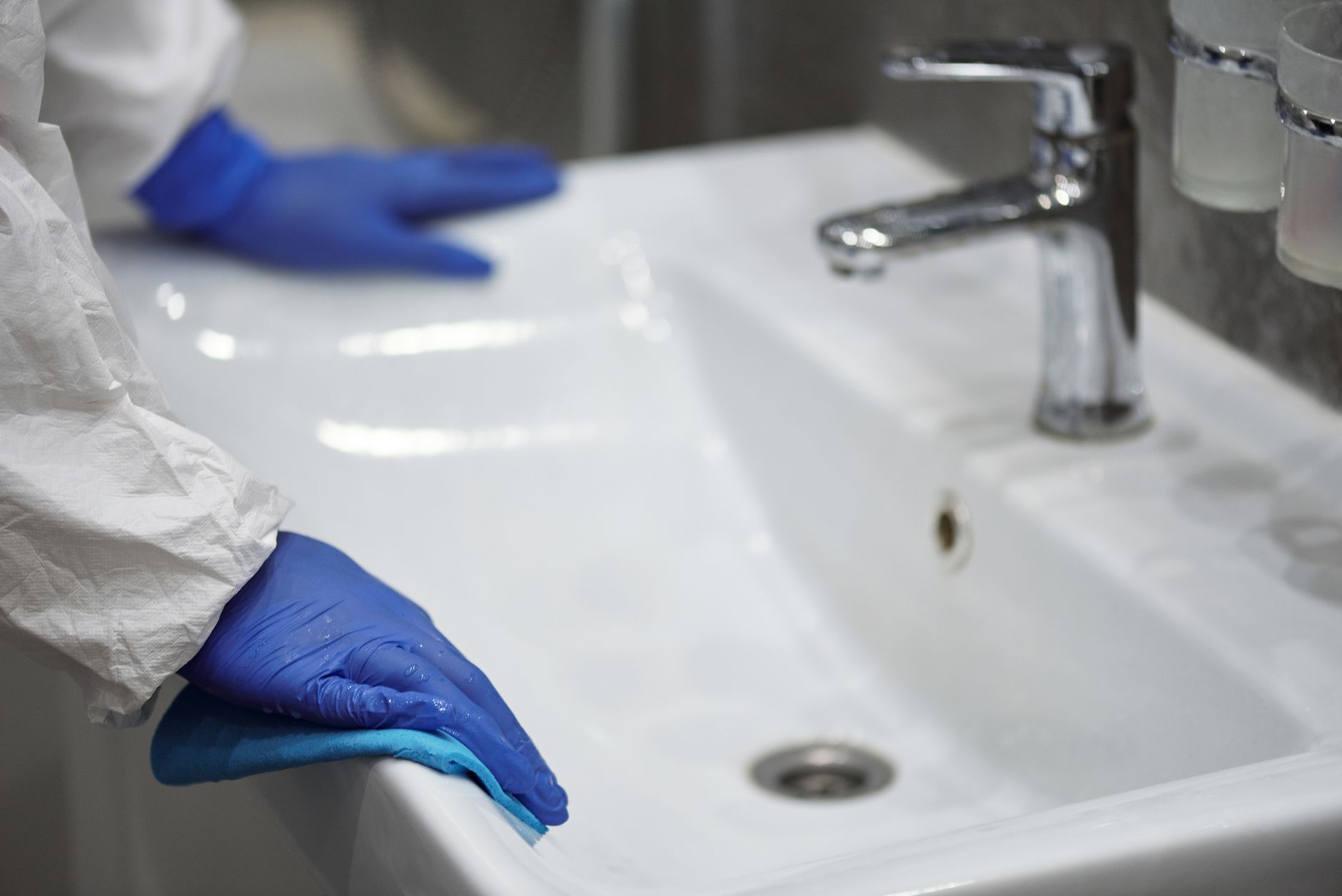
A bathroom can gradually lose its original charm as years of daily use begin to affect its surfaces, fixtures, colors, and overall appearance. Even when everything remains functional, worn bathtubs, faded sinks, scratched countertops, outdated tiles, and discolored surfaces can make the entire room feel old and neglected. Fortunately, giving a bathroom a fresh appearance does not always require tearing everything out and starting again.A thoughtful surface restoration project can dramatically improve the appearance of an existing bathroom while keeping many of its original fixtures in place. This approach can be particularly useful for homeowners who like their current layout but want to improve the room's style, cleanliness, and visual appeal. With the right preparation, materials, colors, and finishing techniques, an outdated bathroom can look noticeably fresher without undergoing a major structural renovation.For homeowners considering this type of improvement, bathroom refinishing services can provide a practical way to restore worn fixtures and surfaces. Instead of replacing every component, professionals can focus on repairing imperfections, preparing existing surfaces, and applying specialized coatings designed to create a smooth and attractive finish. The result can be a bathroom that feels cleaner, brighter, and more contemporary.
Understanding Bathroom Surface Restoration
Bathroom surface restoration involves improving the appearance of existing fixtures and surfaces rather than removing them completely. Depending on the material and condition, this process may be suitable for bathtubs, sinks, countertops, shower surfaces, and certain types of tiles. The exact treatment varies according to the surface and the desired result.The process usually begins with a detailed inspection. Professionals need to determine whether the surface is structurally sound and suitable for restoration. Minor chips, scratches, stains, and cosmetic imperfections can often be addressed during preparation, while severe structural problems may require a different solution.Once the surface has been evaluated, it can be cleaned and prepared for the new finish. Proper preparation is essential because coatings need a stable and clean foundation. After preparation, appropriate primers and coatings can be applied to create a refreshed surface that complements the rest of the bathroom.
Why an Old Bathroom Can Feel Outdated
Sometimes a bathroom appears old not because the fixtures are damaged, but because the colors and finishes no longer match current design preferences. A yellowed bathtub, faded countertop, or dark tile can influence the appearance of the entire room. Even a well-maintained bathroom may feel dated if its major surfaces have lost their original brightness.Wear and tear can also contribute to an aged appearance. Small scratches, stains, chips, discoloration, and dull patches accumulate gradually. Because bathrooms are exposed to water, humidity, cleaning products, and frequent use, their surfaces often experience more stress than people realize.Refreshing these visible surfaces can have a surprisingly significant effect. When the largest fixtures look clean and coordinated, the entire bathroom can appear more polished, even if the cabinetry, flooring, and layout remain unchanged.
The Benefits of Restoring Existing Fixtures
One of the greatest advantages of restoration is that it allows homeowners to improve what they already have. If a bathtub or sink is structurally sound and comfortable to use, replacing it simply because the finish looks worn may not be necessary. Surface restoration can provide a new appearance while preserving the existing fixture.Another advantage is reduced disruption. A complete bathroom renovation may involve demolition, plumbing changes, new installations, and construction work. Restoring existing surfaces generally focuses on the appearance of the fixtures, which can make the project less disruptive.Restoration can also offer design flexibility. Homeowners can select colors and finishes that better match their current preferences. Instead of being limited to the original color of an existing fixture, they may have opportunities to create a cleaner, brighter, or more contemporary appearance.
Choosing the Right Colors
Color selection can completely change the atmosphere of a bathroom. Light shades are popular because they can make a room appear brighter and more spacious. White, cream, soft gray, and other neutral tones can create a timeless appearance that works with many different decorating styles.For homeowners who prefer stronger visual contrast, darker colors can make selected fixtures stand out. Deep gray, navy, muted green, and other sophisticated shades can create a dramatic effect when used carefully. However, the color should work with the room's lighting, flooring, cabinetry, and accessories.A consistent color strategy can make an older bathroom feel more cohesive. Rather than changing every component, updating one or two major surfaces can create enough visual improvement to make the rest of the room feel refreshed.
Preparing Surfaces for a New Finish
Preparation is arguably the most important stage of the restoration process. A new coating cannot compensate for a dirty, unstable, or poorly prepared surface. Before any coating is applied, the existing fixture needs to be thoroughly cleaned to remove soap residue, oils, mineral deposits, dust, and other contaminants.Any cracks, chips, or imperfections that can be repaired should be addressed during this stage. The surface may also require sanding or other preparation techniques to create appropriate adhesion. The goal is to create a smooth and stable foundation for the new finish.Skipping preparation can lead to problems such as peeling, bubbling, uneven coverage, and premature wear. This is why professional restoration focuses heavily on preparation before the visible finishing work begins.
Restoring a Bathtub
Bathtubs are among the most noticeable fixtures in a bathroom and can have a major influence on the room's appearance. Over time, tubs may develop stains, scratches, discoloration, chips, and a dull finish. Even regular cleaning may not restore their original appearance.A properly prepared bathtub can sometimes be restored with specialized coatings designed for bathroom use. The process can improve the appearance of the surface while allowing the existing tub to remain in place.After restoration, proper care becomes important. Abrasive cleaning products and rough tools can potentially damage certain finishes. Following the recommended maintenance instructions can help keep the bathtub looking attractive for longer.
Refreshing Sinks and Countertops
Bathroom sinks and countertops experience constant exposure to water, cosmetics, soaps, and cleaning products. As a result, they can gradually lose their shine or develop visible signs of wear. Instead of replacing an otherwise functional sink or countertop, restoration may offer an alternative.A renewed surface can help coordinate the sink or countertop with other updated elements in the bathroom. For example, a dated surface can be changed to a neutral shade that complements modern hardware and accessories.The final appearance depends heavily on preparation and application. Smooth, even coverage is particularly important on countertops because imperfections can be highly visible under bathroom lighting.
Updating Shower and Tile Surfaces
Tiles can be one of the most expensive and labor-intensive parts of a bathroom to replace. Removing old tile can involve demolition, debris, surface repairs, and installation of new materials. When the existing tile is structurally sound, surface restoration may sometimes provide a simpler visual update.Depending on the material and condition, suitable coatings can change the appearance of tile surfaces. This can create a more uniform look and help modernize a dated bathroom.However, underlying problems should always be addressed first. Loose tiles, significant water damage, mold-related issues, or serious structural deterioration require appropriate attention rather than simply being covered with a new finish.
Creating a Modern Bathroom Appearance
A modern bathroom does not necessarily require expensive new fixtures. Sometimes, a cleaner color palette and coordinated surfaces can create a significant transformation. Neutral finishes, simple hardware, uncluttered storage, and appropriate lighting can work together to make the room feel more contemporary.Replacing small accessories can further enhance the effect. New towel bars, cabinet handles, mirrors, shower accessories, and light fixtures can complement freshly restored surfaces. These smaller changes can help create a unified design without requiring a complete remodel.Lighting should also be considered. Bright, balanced lighting can make clean surfaces look more attractive and can highlight the improved finish. In contrast, poor lighting may make even a newly restored bathroom feel dull.
The Role of Professional Expertise
Although DIY products are available, bathroom surface restoration can require considerable attention to preparation and application. Professionals have experience working with different surface materials and can determine which preparation methods and coatings are appropriate.Professional equipment can also help produce a more consistent finish. Large fixtures such as bathtubs and countertops can be difficult to coat evenly without the right technique. Uneven application may result in visible texture, drips, or inconsistent color.When the project is completed by an experienced professional, homeowners may also receive guidance on curing times and maintenance. This information can be valuable because newly restored surfaces often require careful handling until the finish has fully cured.
Understanding the Refinishing Process
Although methods vary, a typical restoration project follows several stages. First, the surrounding area is protected to prevent accidental coating on walls, flooring, cabinetry, or other surfaces. The fixture itself is then cleaned thoroughly.Next, imperfections may be repaired and the surface prepared for adhesion. Depending on the material, this can involve sanding, stripping, or other specialized techniques. A compatible primer may then be applied before the finishing coats.The final coating is usually applied carefully to achieve consistent coverage. Once the application is complete, the surface needs sufficient time to dry and cure. Homeowners should avoid using the fixture until the recommended curing period has passed.
How to Choose a Reliable Service Provider
Selecting the right provider is important for achieving a high-quality result. Homeowners should look for experience with the specific type of fixture or surface they want restored. A provider who regularly works with bathtubs may have different expertise from one who specializes primarily in countertops or other surfaces.Ask about the preparation process before making a decision. A detailed explanation of cleaning, repairs, surface preparation, priming, coating, and finishing can provide insight into the quality of the service.It is also useful to discuss maintenance requirements, expected durability, and curing time. Understanding these details before the project begins can help set realistic expectations and reduce the likelihood of misunderstandings.
Comparing Restoration with Full Replacement
Full replacement can be appropriate when fixtures are badly damaged or when the homeowner wants to completely change the bathroom's layout. However, replacement can involve much more than purchasing a new bathtub or sink. Demolition, disposal, plumbing work, installation, and surrounding repairs may all be necessary.Surface restoration focuses on improving the existing fixture. This can make it an attractive option when the layout already works well and the main problem is appearance.The best choice depends on the condition of the existing bathroom and the homeowner's goals. If the fixtures are functional but unattractive, restoration may provide enough improvement. If there are serious structural or plumbing issues, replacement or renovation may be more appropriate.
Maintenance After Restoration
Once a bathroom surface has been restored, proper maintenance can help protect the finish. Cleaning should generally be performed with products that are compatible with the coating. Abrasive cleaners, harsh chemicals, and rough scrubbing tools may damage certain finishes.It is also important to remove standing water and soap residue regularly. While bathroom coatings are designed for moisture exposure, consistent care can help maintain their appearance.Heavy objects should not be dropped onto restored surfaces. Even durable finishes can be damaged by strong impact. Small scratches or chips should be addressed promptly when appropriate so that they do not become larger problems.
Mistakes That Can Reduce the Quality of a Project
One of the biggest mistakes is rushing the preparation stage. Homeowners may focus on the visible coating process and underestimate the importance of cleaning, repairing, and preparing the surface. However, preparation directly influences how well the new finish adheres.Another common mistake is using unsuitable products. Not every paint or coating is designed for high-moisture bathroom surfaces. Choosing a product simply because it is inexpensive or easily available may result in poor durability.Using a newly restored fixture too soon can also cause problems. A coating may feel dry while still requiring additional curing time. Following the recommended instructions can help prevent dents, scratches, and other premature damage.
Making Small Changes After Restoration
Once the major surfaces have been refreshed, small improvements can make the transformation even more noticeable. New towels in complementary colors can introduce visual warmth, while a clean shower curtain or updated accessories can reinforce the new design.Mirrors are another effective way to improve the appearance of a bathroom. A modern mirror can make a simple vanity area feel more polished. Updated lighting can also enhance the appearance of restored surfaces and make the room feel brighter.Storage should not be overlooked. Removing unnecessary clutter and organizing everyday items can make the bathroom appear larger and cleaner. A refreshed surface will have a stronger visual impact when the surrounding space is neat and coordinated.
When Restoration Is the Right Choice
Restoration is particularly suitable when a bathroom's fixtures remain structurally sound but have cosmetic problems. Dull surfaces, outdated colors, minor chips, scratches, and stains can often make a fixture look much worse than it actually is.If the bathroom layout is already practical, there may be little reason to change the plumbing or remove functional fixtures. Updating their appearance can provide the visual transformation without unnecessary construction.However, serious structural damage should never be ignored. A professional assessment can help determine whether a fixture is a suitable candidate for restoration or whether replacement would provide a better long-term solution.
Final Thoughts
Transforming an old bathroom does not always mean starting from scratch. Existing fixtures can sometimes be restored and refreshed to create a cleaner, brighter, and more modern appearance. With thoughtful planning and proper surface preparation, an outdated bathroom can receive a significant visual improvement while retaining much of its existing structure. Bathroom refinishing services can be especially useful for homeowners who want to update worn bathtubs, sinks, countertops, and other compatible surfaces without undertaking a complete renovation. The process can save valuable time, reduce disruption, and provide an opportunity to customize the appearance of existing fixtures.The key to a successful project is choosing the right approach for the condition of the bathroom. Proper preparation, suitable coatings, professional application, adequate curing time, and regular maintenance all contribute to a lasting result. Homeowners should also address structural or moisture-related problems before focusing on cosmetic improvements.With the right combination of surface restoration, updated accessories, better lighting, coordinated colors, and careful maintenance, an aging bathroom can become a comfortable and attractive space again. A complete renovation is sometimes necessary, but when the existing fixtures are still functional, a carefully planned restoration can provide an impressive transformation without the cost and disruption of replacing everything.







1 thought on “Transform Your Old Bathroom into a Fresh, Beautiful, Modern, and Inviting Space Without a Complete Renovation”
Comments are closed.