

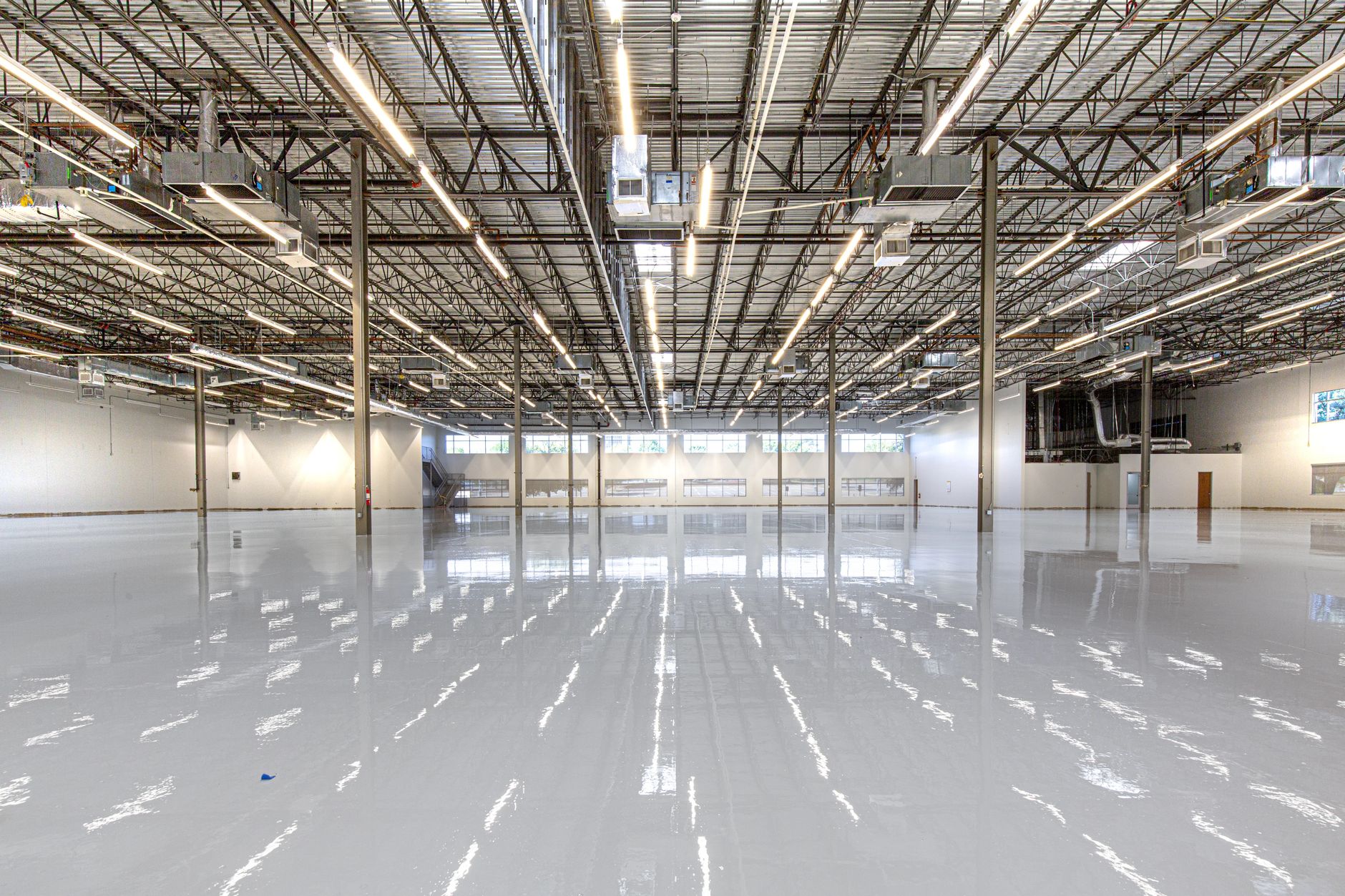
Epoxy flooring has become a popular choice for property owners, businesses, workshops, warehouses, garages, and many other spaces where durability, appearance, and easy maintenance are important. Unlike ordinary concrete floors that can become stained, cracked, dusty, or worn over time, an epoxy coating creates a strong protective surface that can withstand demanding conditions. Its smooth finish also gives floors a clean and professional appearance, making it suitable for both practical and decorative applications. However, achieving the best possible results depends on more than simply applying a coating to concrete. Proper preparation, product selection, application techniques, curing conditions, and ongoing maintenance all play important roles in determining how well an epoxy floor performs.
Understanding Epoxy Flooring
Epoxy flooring is a surface system created by combining resin with a hardener or curing agent. When these components are mixed, they undergo a chemical reaction that transforms the liquid material into a solid, durable coating. Once properly cured, the resulting surface can provide excellent resistance to abrasion, stains, moisture, chemicals, and everyday wear. Depending on the formulation and application method, epoxy systems can also offer different levels of gloss, texture, thickness, slip resistance, and decorative appeal.
One of the main reasons epoxy is widely used is its ability to bond effectively with properly prepared concrete. Concrete provides a strong foundation, while epoxy adds a protective layer that helps shield the underlying surface from damage. The finished floor can be smooth and seamless, which reduces areas where dirt and moisture can accumulate. This characteristic makes epoxy particularly attractive for environments where cleanliness and straightforward maintenance are priorities. It can also transform an ordinary concrete floor into a more visually appealing surface without requiring the removal and replacement of the existing slab.
Why Proper Preparation Matters
Surface preparation is one of the most important stages of any successful epoxy flooring project. Even a high-quality coating can fail prematurely if it is applied over a contaminated, weak, damp, or poorly prepared substrate. Concrete surfaces may contain dust, oil, grease, old coatings, curing compounds, dirt, or other substances that prevent proper adhesion. Small cracks, holes, and damaged areas can also become more noticeable after the coating is applied if they are not addressed beforehand.
Professional preparation generally involves cleaning the concrete thoroughly and removing contaminants that could interfere with adhesion. Mechanical preparation methods may be used to open the pores of the concrete and create an appropriate surface profile. Depending on the condition of the floor, grinding, shot blasting, or other preparation techniques may be appropriate. Cracks and surface imperfections should be repaired with compatible materials before the coating process begins. Moisture levels may also need to be evaluated because excessive moisture moving through concrete can create serious coating problems, including bubbling, peeling, or delamination.
Another important consideration is the condition and strength of the existing concrete. Epoxy does not eliminate structural problems in the substrate. If the concrete is severely deteriorated, unstable, or affected by significant movement, those issues should be addressed before coating. A carefully prepared surface provides a much stronger foundation and increases the likelihood that the finished floor will remain attractive and functional for many years.
The Importance of Choosing the Right Epoxy System
Not every epoxy product is designed for the same environment or level of use. Selecting the right system requires consideration of traffic, exposure, expected loads, chemical contact, temperature fluctuations, cleaning requirements, and desired appearance. A coating intended for light residential use may not provide the same performance as a system designed for heavy commercial or industrial traffic.
There are different types of epoxy systems, including water-based, solvent-based, and 100 percent solids formulations. Each has its own characteristics, advantages, and limitations. Some systems are selected primarily for decorative purposes, while others are designed for high-performance applications where durability and chemical resistance are more important. The thickness of the coating system also influences performance. Thin coatings may be appropriate for certain applications, whereas high-build or heavy-duty systems may be better suited to areas exposed to demanding traffic and mechanical stress.
Color and finish should also be considered during product selection. Epoxy is available in a wide range of colors, allowing property owners to coordinate the floor with surrounding spaces. Decorative flakes, metallic effects, colored aggregates, and other design elements can be incorporated into certain systems. A professional can help determine which combination of materials and finishes is appropriate based on both practical requirements and visual preferences.
Key Steps in Epoxy Floor Installation
A successful epoxy floor installation begins with a detailed assessment of the existing surface. Before any coating material is applied, the condition of the concrete should be evaluated to identify cracks, stains, moisture concerns, weak areas, and previous coatings. This assessment helps determine the level of preparation required and whether repairs are necessary.
The next stage is thorough cleaning and mechanical preparation. The goal is to create a clean, sound, and properly profiled surface that allows the epoxy to bond effectively. Dust and debris generated during mechanical preparation must be removed before coating. Depending on the system being used, a primer may then be applied to improve adhesion and help create a more consistent base.
Once the primer has been properly applied and allowed to reach the appropriate stage, the epoxy coating can be mixed and installed according to the manufacturer's specifications. Mixing ratios are particularly important because an incorrect ratio can affect curing, hardness, adhesion, and overall performance. The material should be mixed thoroughly without introducing unnecessary air into the mixture. Applicators then distribute the coating evenly across the prepared surface using suitable tools and techniques.
Additional coats may be installed depending on the desired thickness and performance requirements. Decorative materials, such as flakes or colored aggregates, may be broadcast into the wet coating when part of the design. A compatible topcoat can then be applied to provide additional protection, improve chemical or abrasion resistance, and create the desired final appearance. Every stage must be completed within the manufacturer's recommended timeframes to ensure proper bonding between layers.
Curing and Drying Considerations
Curing is different from simple surface drying. Although an epoxy floor may appear dry enough to walk on relatively soon after application, the material may require considerably more time to develop its full strength and chemical resistance. Temperature, humidity, product formulation, coating thickness, and ventilation can all influence curing time.
The floor should be protected from unnecessary traffic, moisture, dirt, and impact during the curing period. Allowing people or vehicles onto the surface too early can cause marks, impressions, dull spots, or other defects. Manufacturers provide specific recommendations for light foot traffic, heavier use, and exposure to chemicals or equipment. Following these instructions is essential for achieving the intended performance of the coating.
Environmental conditions are especially important during installation. Extremely cold temperatures can slow the curing reaction, while excessive heat may shorten working time and make application more difficult. High humidity and moisture within the concrete can also create complications. For this reason, experienced installers monitor environmental conditions and plan the application process accordingly rather than relying solely on visual appearance.
Benefits of Epoxy Flooring
One of the greatest advantages of epoxy flooring is durability. A properly installed system can withstand significant levels of foot traffic, equipment movement, impacts, and everyday wear. This makes epoxy suitable for areas that experience more demanding conditions than a typical interior floor.
Another major benefit is resistance to stains and many common chemicals. Spills that could permanently discolor untreated concrete can often be cleaned more easily from a properly sealed epoxy surface. This makes the flooring particularly useful in workshops, storage areas, production spaces, and other environments where spills may occur.
Epoxy floors are also relatively easy to clean. Their seamless finish provides fewer joints and gaps where dirt can collect, while their smooth surface allows routine sweeping and mopping to be completed efficiently. When appropriate cleaning products are used, the floor can retain its appearance without requiring complicated maintenance procedures.
Aesthetic flexibility is another important advantage. Epoxy coatings are available in numerous colors and can incorporate decorative elements to create different visual effects. A floor can be designed to look understated and professional or more colorful and visually distinctive depending on the requirements of the space. This combination of performance and appearance has helped epoxy become more than just a practical industrial coating.
Common Mistakes to Avoid
Several mistakes can reduce the performance and lifespan of an epoxy floor. One of the most common is insufficient surface preparation. Applying epoxy directly over dusty, oily, or contaminated concrete may produce poor adhesion and premature failure. Another frequent problem is ignoring moisture concerns. Even an otherwise excellent coating can fail if moisture pressure beneath the slab is not properly addressed.
Incorrect mixing is another significant issue. Epoxy systems depend on precise chemical proportions, and changing the ratio to make the material easier to apply can negatively affect curing and performance. Similarly, failing to mix the components thoroughly may result in soft or inconsistent areas.
Rushing between coats can also create problems. Each layer needs to be applied within the manufacturer's specified recoat window. Applying another layer too early or too late without appropriate preparation can weaken the bond between coats. Installers should also avoid applying material beyond its workable period after mixing, as the chemical reaction continues once the components are combined.
Poor environmental control is another common cause of coating problems. Temperature and humidity can affect application, curing, and appearance. Attempting to complete the project under unsuitable conditions can lead to bubbles, cloudiness, uneven curing, or adhesion problems. Careful planning and adherence to product requirements can prevent many of these issues.
Professional Installation Versus DIY Application
Some homeowners and property owners consider installing epoxy themselves because do-it-yourself kits are widely available. For small, lightly used areas with straightforward conditions, a carefully followed DIY approach may be possible. However, larger or more demanding projects can require specialized equipment, detailed surface preparation, and professional application skills.
Professional installers generally have experience identifying substrate problems, selecting appropriate products, preparing concrete, calculating material requirements, and applying coatings evenly. They can also recognize warning signs that may not be obvious to someone unfamiliar with flooring systems. This can be especially valuable when the floor has moisture concerns, previous coatings, extensive cracking, or heavy-duty performance requirements.
Hiring a qualified professional can also reduce the likelihood of costly mistakes. While professional installation involves an upfront expense, correcting a failed coating can require additional preparation, material, labor, and downtime. A properly planned project is therefore often more economical over the long term than repeatedly repairing an improperly installed system.
Maintenance Tips for Long-Term Performance
Although epoxy floors are designed to be durable, routine maintenance is still necessary to preserve their appearance and performance. Regular sweeping or dust mopping helps remove abrasive particles that could gradually scratch the surface. Spills should be cleaned promptly, particularly when they involve substances that may affect the coating.
For routine cleaning, a mild cleaning solution and suitable mop are generally sufficient for many epoxy systems. Harsh chemicals or abrasive cleaning tools should not be used unless the flooring manufacturer confirms that they are compatible with the coating. Furniture, machinery, and other heavy items should be moved carefully to avoid unnecessary impact or scratching.
High-traffic areas may eventually show signs of wear even when the original installation was excellent. Periodic inspection allows small problems to be addressed before they become larger issues. If the coating develops chips, cracks, peeling, or other damage, repairs should be evaluated promptly. Depending on the condition, a localized repair or maintenance coat may be appropriate.
How Epoxy Can Improve a Space
A well-designed epoxy floor can significantly change the appearance and functionality of a room. The seamless surface creates a clean visual effect that can make spaces appear more organized and modern. Reflective finishes may also improve the perception of available light, particularly in areas where brightness and visibility are important.
Beyond appearance, epoxy can help create a more practical working environment. Its resistance to stains and its easy-clean characteristics make it easier to maintain a tidy floor. In spaces where cleanliness is important, reducing porous or difficult-to-clean surfaces can simplify routine maintenance.
The ability to customize colors and decorative finishes also provides opportunities for visual organization. Different colors can sometimes be used to distinguish work zones, walkways, storage areas, or other functional sections. When combined with appropriate markings and safety considerations, the flooring can contribute to a more organized overall environment.
Cost Factors to Consider
The cost of an epoxy flooring project depends on several factors rather than simply the price of the coating material. The size of the area, condition of the concrete, amount of preparation required, type of epoxy system, number of coats, decorative options, and labor requirements can all influence the total project cost.
Surface preparation can represent a significant part of the budget, especially when the existing concrete contains heavy contamination, old coatings, cracks, or damage. Although it may be tempting to minimize preparation to reduce costs, doing so can compromise the entire system. Investing in proper preparation is often one of the most important decisions for long-term value.
The selected coating system also affects cost. Basic systems may be less expensive initially, while high-performance systems can cost more because of their formulation, thickness, chemical resistance, or durability. Property owners should therefore compare systems based on expected service life and performance rather than choosing solely according to the lowest initial price.
Final Thoughts on Choosing an Epoxy Flooring Solution
Epoxy flooring offers a practical combination of durability, visual appeal, resistance, and easy maintenance, making it a versatile option for many types of spaces. However, the quality of the finished result depends heavily on proper planning and installation. The concrete must be evaluated and prepared carefully, the appropriate coating system must be selected, and every product must be mixed and applied according to its specifications.
A successful epoxy floor is not simply the result of spreading material over concrete. It is a complete flooring system in which preparation, materials, application, curing, and maintenance all work together. Paying attention to each stage can help prevent premature failure and ensure that the floor delivers the expected performance.
When planning an epoxy project, it is wise to consider the conditions the floor will face throughout its service life. Think about traffic levels, equipment, potential spills, cleaning practices, appearance, moisture exposure, and long-term maintenance requirements. These factors can guide the selection of an appropriate system and help ensure that the investment provides lasting value.
For demanding projects, professional epoxy floor installation can provide an additional level of confidence because experienced installers understand the technical requirements involved in preparing and coating concrete. Whether the goal is to improve a garage, protect a workshop, upgrade a commercial area, or create a durable surface for a high-traffic environment, choosing the right materials and installation approach is essential.
Ultimately, epoxy flooring is most effective when treated as a complete solution rather than a simple decorative coating. With proper preparation, suitable materials, careful application, adequate curing time, and regular maintenance, an epoxy surface can remain attractive and functional for years. By understanding the installation process and making informed decisions at each stage, property owners can create a floor that offers both dependable performance and a professional finished appearance.
This version is structured with longer paragraphs and headings, contains 1600+ words, avoids locations in headings/titles, and uses the exact anchor text “epoxy floor installation” four times.









2 thoughts on “Epoxy Flooring: A Complete Guide to Creating Durable, Attractive, and Long-Lasting Floors”
Comments are closed.