

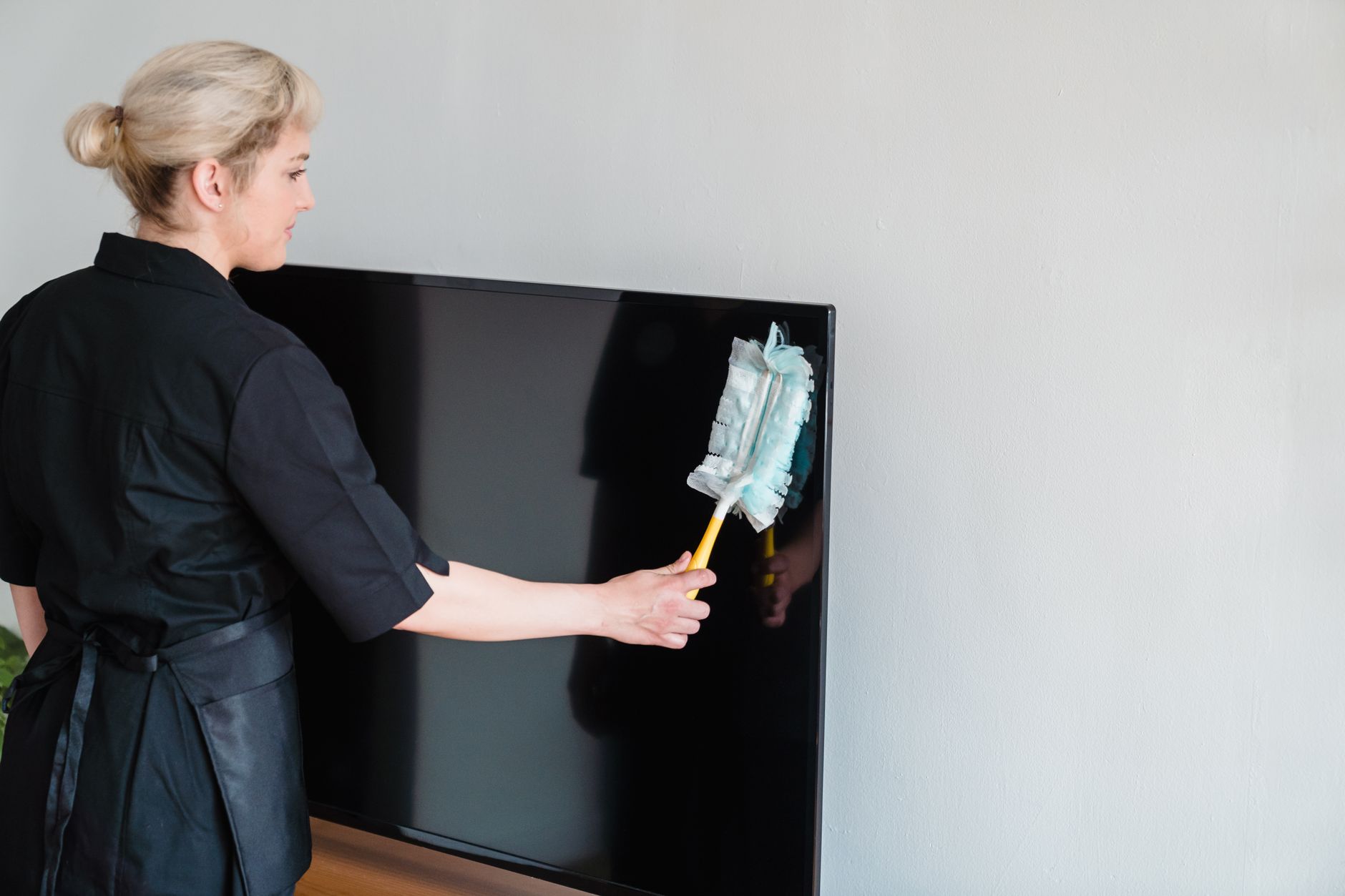
A clean home is more than a pleasant place to live. It is an environment where people relax, spend time with family, work, entertain guests, and create everyday memories. Maintaining that environment, however, can become challenging when daily responsibilities continue to grow. Work schedules, family commitments, social activities, errands, and personal obligations can leave very little time for detailed household maintenance. While regular tidying can keep visible clutter under control, deeper cleaning often requires considerably more time, energy, and attention. Professional cleaning can provide a practical solution by helping homeowners maintain a consistently fresh, comfortable, and organized living environment without having to manage every demanding task alone.
Understanding the Importance of a Clean Home
Household cleanliness has a direct influence on how comfortable a property feels. Dust accumulating on furniture, fingerprints appearing on doors, crumbs collecting in kitchen corners, and dirt being carried across floors can gradually make even a well-maintained home appear untidy. More importantly, overlooked areas can continue collecting dust and debris even when the main living spaces look clean. Regular attention to these areas helps maintain a healthier and more enjoyable environment while also preventing small cleaning problems from becoming more difficult to manage later.
A thorough cleaning routine also contributes to the preservation of household surfaces and furnishings. Floors, countertops, appliances, bathroom fixtures, windowsills, cabinets, and other surfaces can gradually deteriorate when dirt and residue are allowed to remain for extended periods. Appropriate cleaning removes these unwanted materials before they have an opportunity to cause unnecessary wear. By keeping different parts of the home properly maintained, homeowners can protect their investment and reduce the likelihood of needing premature repairs or replacements.
Why Professional Cleaning Can Make Everyday Life Easier
One of the biggest advantages of hiring a professional is the amount of time it can return to a homeowner. Cleaning an entire property thoroughly can take several hours, particularly when bathrooms, kitchens, bedrooms, common areas, floors, and less visible spaces all require attention. For people with demanding schedules, finding enough uninterrupted time for these tasks can be difficult. A professional cleaner can take responsibility for many of these chores, allowing homeowners to dedicate their available time to work, family, hobbies, relaxation, or other priorities.
Professional cleaning is also useful for people who want greater consistency in their household routines. It can be easy to postpone difficult tasks when cleaning depends entirely on personal availability. A busy week can quickly become a busy month, allowing dust, grime, and clutter to accumulate. Establishing a dependable cleaning routine helps prevent this cycle. Instead of waiting until the home becomes noticeably dirty, homeowners can maintain a more predictable standard of cleanliness throughout the year.
Another benefit is the reduced physical effort involved. Cleaning may require bending, lifting, reaching, scrubbing, vacuuming, and standing for extended periods. These activities can become particularly tiring when a large property needs comprehensive attention. Professional cleaners are accustomed to performing repetitive household tasks efficiently and can approach the work in a structured manner. This can make maintaining the home easier for people who have limited time or simply prefer to spend their energy elsewhere.
Creating a More Thorough Cleaning Routine
A successful cleaning routine involves more than quickly wiping visible surfaces. Different areas of a home require different approaches, and some tasks need to be performed more frequently than others. Kitchens, for example, may require regular attention because cooking produces grease, food particles, spills, and odors. Bathrooms also require consistent maintenance because moisture and frequent use can contribute to residue and buildup. Bedrooms and living areas may accumulate dust, pet hair, fibers, and everyday debris.
A professional approach typically begins with an assessment of the property and the cleaning requirements of each area. High-use spaces can receive appropriate attention while less frequently used rooms may require a different schedule. This organized method prevents important areas from being overlooked. It also allows homeowners to establish priorities based on their lifestyle, household size, pets, flooring materials, furnishings, and personal preferences.
Deep cleaning can complement routine maintenance by addressing areas that are often neglected during ordinary cleaning. These may include baseboards, ceiling fans, cabinet fronts, light fixtures, corners, behind furniture, and other difficult-to-reach locations. Although these areas may not always be immediately noticeable, cleaning them periodically can make a significant difference in the overall condition and appearance of the home.
The Role of the Kitchen in Household Cleanliness
The kitchen is one of the most important areas to maintain because it is frequently exposed to food, moisture, grease, and daily activity. Countertops, stovetops, sinks, cabinet surfaces, appliances, and floors can accumulate residue surprisingly quickly. If these areas are not cleaned consistently, buildup can become increasingly difficult to remove. Regular attention keeps surfaces looking better and makes everyday kitchen maintenance more manageable.
Cleaning should also extend beyond the most obvious areas. Appliance handles, cabinet edges, backsplash surfaces, sink fixtures, and areas around cooking equipment can collect residue over time. A detailed routine considers these smaller areas instead of focusing exclusively on large countertops and floors. Maintaining the kitchen in this way can also make meal preparation more enjoyable because the surrounding environment feels organized and fresh.
Homeowners should select cleaning products carefully, particularly when dealing with surfaces made from natural stone, finished wood, stainless steel, or other specialized materials. Using an unsuitable product can potentially damage a surface even when the intention is to clean it. Professional cleaners generally understand that different materials require different cleaning methods and should approach each surface accordingly.
Keeping Bathrooms Fresh and Well Maintained
Bathrooms require regular cleaning because they are exposed to moisture, soap residue, personal-care products, and frequent use. Sinks, mirrors, showers, tubs, toilets, floors, and fixtures can all benefit from consistent maintenance. Water spots and residue may become increasingly noticeable when surfaces are left unattended, while damp areas can develop unpleasant odors if they are not properly maintained.
A detailed bathroom cleaning routine should address both appearance and cleanliness. Mirrors and fixtures should be cleaned without leaving streaks, floors should be thoroughly cleaned, and frequently touched surfaces should receive appropriate attention. Shower areas may require additional care to manage soap residue and buildup. Ventilation also plays an important role because controlling excess moisture helps maintain a fresher environment.
Regular maintenance can make deep cleaning easier. When residue is addressed before it becomes heavily established, less effort may be required to restore the surface. This illustrates why consistency is often more valuable than occasional cleaning sessions that occur only after a room has become significantly dirty.
Improving Indoor Comfort Through Better Dust Management
Dust is one of the most persistent challenges in any home. It can settle on furniture, shelves, electronics, window areas, decorative objects, and flooring even when a property is cleaned regularly. Simply moving dust from one surface to another does not provide an effective long-term solution. Proper dust removal requires suitable tools and techniques that capture and remove particles rather than spreading them throughout the room.
Soft furnishings can also contribute to the accumulation of dust and other particles. Curtains, rugs, upholstery, bedding, and cushions may require periodic attention in addition to ordinary surface cleaning. Vacuuming these items where appropriate can help maintain a cleaner overall environment. Bedrooms may deserve particular attention because people spend many hours there and bedding and fabric surfaces can naturally collect dust and debris.
A structured residential cleaning routine can therefore make a noticeable difference in indoor comfort. Instead of concentrating only on visible dirt, it considers the broader condition of the living environment and identifies areas that may require regular attention. This comprehensive perspective can help homeowners maintain a fresher-feeling home between deeper cleaning sessions.
Caring for Floors and Frequently Used Surfaces
Floors experience constant exposure to foot traffic, dirt, moisture, spills, and everyday wear. Different flooring materials require different maintenance methods, making it important to avoid treating every floor in exactly the same way. Hardwood, tile, laminate, vinyl, stone, and carpet each have their own care requirements. Proper maintenance helps preserve appearance while reducing unnecessary wear.
High-traffic areas often require more frequent cleaning than rooms that are rarely used. Entryways and hallways, for example, can collect dirt brought in from outside, while living rooms may accumulate crumbs, dust, and pet hair. Regular vacuuming, sweeping, or mopping based on the flooring material can help prevent debris from becoming embedded or scratched into surfaces.
Furniture should also be considered as part of the overall cleaning process. Dust and debris can collect beneath sofas, chairs, tables, and beds, while frequently touched surfaces may accumulate fingerprints and residue. Moving accessible furniture when appropriate can reveal areas that are easily overlooked during quick cleaning sessions.
The Value of Decluttering Before Cleaning
Cleaning becomes significantly easier when unnecessary clutter is reduced. Objects left on countertops, tables, floors, and other surfaces can make a room appear untidy even when those surfaces themselves are clean. Clutter can also slow down the cleaning process because each item must be moved before the underlying area can be properly cleaned.
Decluttering does not necessarily mean getting rid of everything. It can simply involve returning items to their proper places, organizing belongings, and identifying objects that are no longer useful. Creating designated storage areas can make this process easier. When possessions have logical places to go, maintaining order requires less effort.
A cleaner and more organized home can also feel more spacious. Open surfaces and uncluttered rooms often create a stronger sense of order, making routine cleaning more efficient. Combining organization with regular cleaning can therefore provide benefits that extend beyond appearance.
Choosing the Right Cleaning Service
When considering professional assistance, homeowners should evaluate more than the advertised price. Reliability, communication, experience, cleaning methods, flexibility, and attention to detail can all influence the quality of the experience. A trustworthy service should clearly explain what is included and allow customers to understand the expected scope of work before cleaning begins.
It is also useful to consider whether the service can accommodate the property's specific needs. Every household is different. Some homes may require frequent kitchen and bathroom maintenance, while others may need additional attention for pets, children, large living areas, or occasional deep-cleaning projects. A flexible service can help homeowners develop a routine that fits their circumstances instead of forcing every household into the same schedule.
Communication is another important consideration. Homeowners should be able to explain priorities and identify areas that require special attention. Clear communication can reduce misunderstandings and help ensure that the cleaning process focuses on the tasks that matter most to the household.
Maintaining Cleanliness Between Professional Visits
Professional assistance does not mean homeowners need to stop performing everyday maintenance. Small habits can help keep a property looking and feeling cleaner between scheduled visits. Cleaning spills promptly, washing dishes regularly, putting belongings away, wiping frequently used surfaces, and addressing clutter before it accumulates can all reduce the amount of work required later.
A simple daily reset can also be effective. Spending a few minutes returning objects to their proper places and checking the most frequently used areas can prevent disorder from becoming overwhelming. Weekly tasks can then focus on more substantial maintenance, while professional visits can address deeper cleaning requirements.
Household members can share responsibility as well. When everyone contributes appropriately, maintaining a clean environment becomes less dependent on one person. Children can learn to put away toys and belongings, while adults can divide tasks according to schedules and abilities. This shared approach can make the home easier to maintain throughout the week.
How Cleanliness Supports a Better Lifestyle
The value of a clean home extends beyond physical appearance. A well-maintained environment can create a stronger sense of comfort and order, which can make everyday activities more enjoyable. Coming home to clean rooms can provide a welcome contrast to a busy day, while an organized kitchen can make meal preparation easier and a tidy bedroom can create a more relaxing atmosphere.
A clean home can also make social occasions less stressful. Homeowners who regularly maintain their property do not have to worry as much about rushing through a major cleaning session before guests arrive. Instead, ordinary maintenance keeps the property closer to an acceptable standard throughout the year.
Professional residential cleaning can be particularly valuable when homeowners are preparing for a major transition or event. Moving into a new home, preparing a property for new occupants, recovering after a gathering, or simply completing a seasonal deep clean may require more time than a normal weekly routine allows. Professional support can make these demanding periods more manageable.
Building Long-Term Cleaning Habits
The most effective approach to household maintenance is usually consistency. Waiting for dirt and clutter to become overwhelming can make cleaning feel like an exhausting project. A planned routine divides responsibilities into manageable stages and ensures that important areas receive attention before problems become more difficult.
Homeowners can begin by identifying the tasks that matter most and deciding how often they need to be completed. High-use spaces may require frequent cleaning, while less-used areas can be scheduled less often. Seasonal tasks can be added separately so they do not interfere with ordinary maintenance.
Over time, these habits can become part of the household routine. The goal is not to make cleaning the center of everyday life but to create a system that keeps the home manageable with reasonable effort. Professional assistance can strengthen this system by handling detailed tasks while homeowners concentrate on simple daily upkeep.
Making a Smart Investment in Your Home
Professional cleaning should be viewed as more than a convenience. It can be an investment in the condition, comfort, and functionality of the home. Regular maintenance helps protect surfaces, reduce accumulated dirt, preserve furnishings, and keep frequently used spaces pleasant. It can also provide valuable time that homeowners would otherwise spend performing labor-intensive household tasks.
The right approach depends on the property's size, the household's schedule, cleaning preferences, and specific maintenance requirements. Some people may benefit from regular professional visits, while others may prefer occasional deep cleaning combined with their own routine maintenance. The important point is to create a realistic system that can be maintained consistently rather than relying on occasional large cleaning efforts.
A clean home does not happen by accident. It is the result of practical habits, appropriate cleaning techniques, consistent maintenance, and, when necessary, professional support. By combining these elements, homeowners can create an environment that feels more comfortable, organized, and inviting without allowing household chores to consume all of their available time.
Conclusion
Maintaining a clean and comfortable home requires more than occasional dusting or quick surface cleaning. Kitchens, bathrooms, floors, furniture, bedrooms, living areas, and less visible spaces all need appropriate attention to remain in good condition. A consistent approach helps prevent buildup, protects household surfaces, improves everyday comfort, and makes the entire property easier to manage.
For busy households, professional assistance can provide an efficient way to maintain higher cleaning standards while freeing valuable time. Whether the goal is routine maintenance, detailed deep cleaning, or support during a particularly demanding period, a well-planned service can become an important part of a practical household routine. When combined with simple daily habits and sensible organization, professional cleaning can help transform household maintenance from a stressful obligation into a manageable and dependable part of everyday life.









1 thought on “Professional Residential Cleaning: How Expert Cleaners Transform Everyday Home Maintenance”
Comments are closed.