A beautiful lawn can completely change the appearance and atmosphere of an outdoor space. However, achieving thick, healthy grass is not always as simple as scattering seed and waiting for it to grow. Seeding can take considerable time, and newly planted grass may struggle with weeds, uneven growth, weather changes, foot traffic, or poor soil conditions. Sod offers a practical alternative because it provides an established layer of grass that can create an attractive lawn much faster. When installed correctly, it can develop strong roots and become a durable part of the landscape.
Sod installation is the process of preparing the ground, placing professionally grown grass in sections, and establishing those sections so that the roots connect with the soil underneath. Although the process may appear straightforward, successful results depend on careful preparation, accurate measurements, proper placement, and consistent watering after installation. A rushed or poorly planned installation can lead to gaps, dry patches, weak rooting, or premature deterioration. Understanding the complete process can help property owners make better decisions and protect their investment.
Understanding What Sod Is and Why It Is Popular
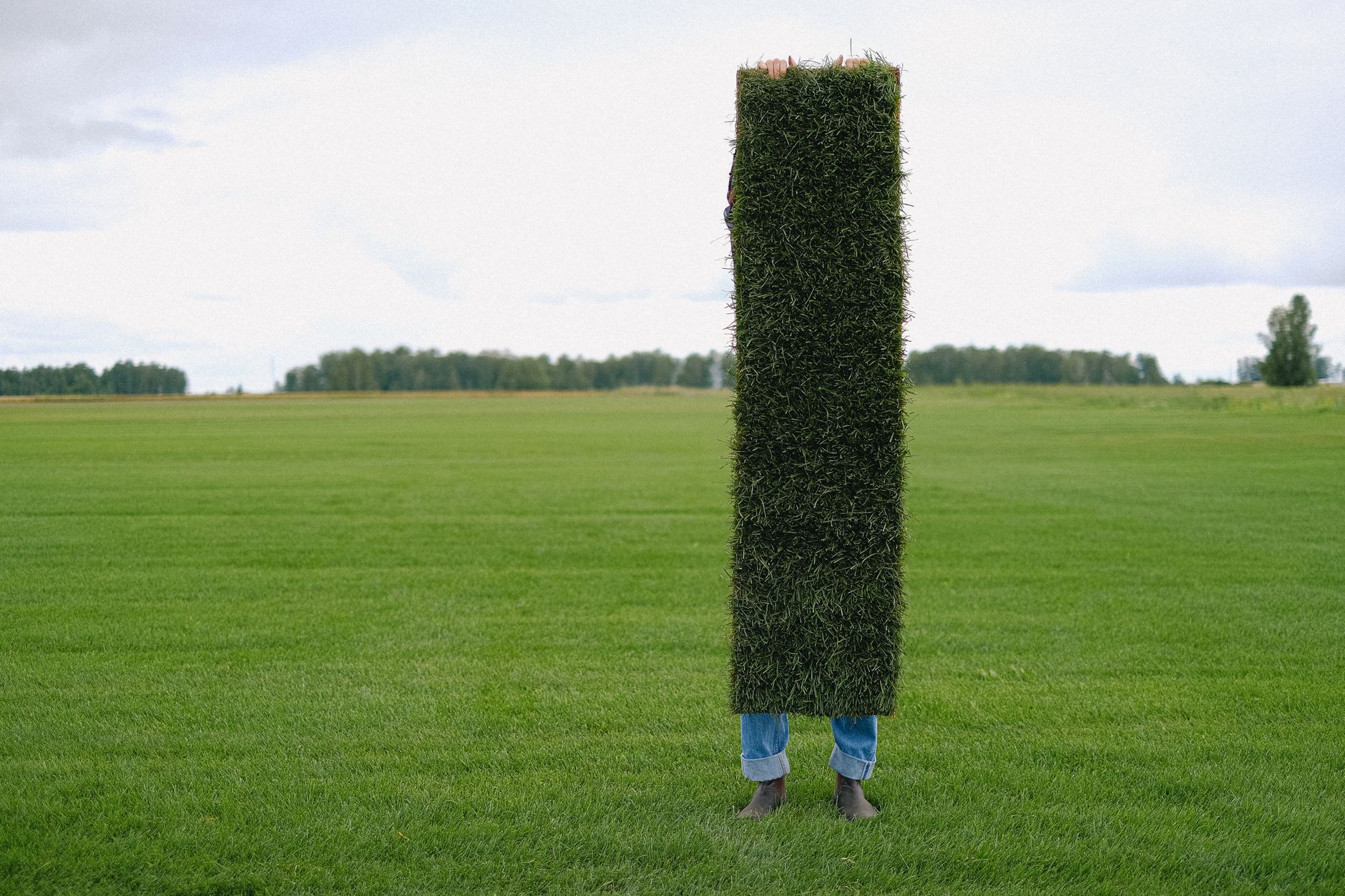
Sod is mature grass that has been professionally grown and maintained until it develops a dense network of roots. The grass is then harvested with a thin layer of soil held together by its roots and transported in rolls or slabs. Once placed over prepared ground, the sod can gradually establish itself in the underlying soil. This makes it possible to create an attractive lawn much sooner than traditional seeding methods.
One of the primary reasons homeowners and property managers choose sod is speed. Seeded lawns can require weeks or even months to become dense enough for regular use, depending on growing conditions. Sod, on the other hand, creates an immediate green surface once installed. While the grass still needs time to develop a strong root system, the visual transformation is almost instant.
Sod can also help create a more uniform appearance. Professionally cultivated grass is generally grown under controlled conditions, which can result in consistent color, density, and texture. When the installation is performed carefully, the pieces can fit together closely to create a seamless lawn. This uniformity can be especially valuable when an outdoor area needs to look polished within a relatively short period.
Preparing the Soil Before Installation
Proper soil preparation is one of the most important stages of the entire process. Even high-quality sod can struggle if it is placed over compacted, poorly drained, or nutrient-deficient soil. Before the grass arrives, the installation area should be cleared of debris, unwanted vegetation, rocks, roots, and other materials that could interfere with root development.
The existing soil should be evaluated to determine whether amendments are necessary. Soil that is too compacted may prevent roots from penetrating deeply, while extremely sandy or heavy soil may have difficulty retaining the right amount of moisture. Adding suitable organic matter or other soil amendments can improve structure and create a more favorable environment for the grass.
Grading is another essential consideration. The surface should be reasonably smooth and shaped to encourage proper drainage. Low spots can collect water, while excessive slopes may cause runoff and soil erosion. The final grade should also take nearby structures, pathways, drainage areas, and existing landscape features into account.
Before laying the grass, the soil is generally loosened to an appropriate depth and then leveled. Removing large air pockets and creating a firm but workable surface allows the sod to make better contact with the ground. The objective is to provide a stable foundation where the roots can establish without unnecessary obstacles.
Measuring the Area and Planning the Layout
Accurate measurements can prevent wasted material and reduce unnecessary installation costs. The total lawn area should be measured carefully, including irregular sections and separate planting zones. Simple rectangular areas are easy to calculate, but curved or complex spaces may require the lawn to be divided into smaller shapes before measurements are combined.
Planning the layout before installation begins is equally important. Sod should be arranged in a way that minimizes unnecessary cuts while maintaining strong contact between adjoining pieces. Long seams should generally be avoided when possible because staggered joints can create a stronger and more natural-looking surface.
A good layout also considers obstacles such as trees, garden borders, irrigation equipment, walkways, and structures. Planning these details ahead of time makes the actual installation more efficient. It also reduces the temptation to force pieces into awkward positions after the process has already begun.
Choosing the Right Grass for the Lawn
Not all sod varieties perform equally well under every condition. The right grass depends on factors such as sunlight exposure, soil characteristics, expected foot traffic, watering practices, and general maintenance preferences. Some grass types perform well in sunny areas, while others have greater tolerance for partial shade.
Climate and seasonal growing conditions also influence grass selection. A variety that thrives under one set of environmental conditions may struggle in another. Property owners should therefore consider the characteristics of the available sod rather than choosing solely based on appearance.
It is also useful to consider how the lawn will be used. A decorative lawn may have different requirements from an area where children play, pets run, or people regularly walk. Selecting grass with appropriate durability and growth characteristics can improve long-term performance and reduce maintenance problems.
Laying the Sod Correctly
Once the soil has been prepared and the sod is ready, installation should begin as soon as practical. Fresh sod can lose moisture quickly, particularly when exposed to warm or dry conditions. Keeping the material protected and handling it carefully helps maintain its condition before placement.
The first pieces should be positioned along a straight edge whenever possible. Each section should be placed firmly against the neighboring piece without overlapping. Large gaps should be avoided because exposed soil can dry quickly and may encourage weed growth. At the same time, forcing pieces together too aggressively can cause them to buckle or distort.
The joints should be staggered from one row to the next, similar to the pattern used when laying bricks. This arrangement reduces the likelihood of creating continuous seams and helps the lawn develop a more cohesive appearance. Pieces may need to be trimmed around trees, borders, and other obstacles, but excessive small cuts should be avoided.
After placement, the sod should have strong contact with the soil beneath it. This contact is essential because the roots need access to moisture and nutrients in the underlying soil. Rolling the newly installed lawn carefully can help remove air pockets and improve soil-to-root contact without excessively compacting the ground.
Watering After Sod Installation
Water is critical during the establishment period. Newly installed grass does not yet have a fully developed root system, so it depends heavily on consistent moisture. The first watering should generally be thorough enough to moisten both the sod and the soil underneath.
The goal is to keep the root zone adequately moist without creating prolonged waterlogging. Too little water can cause the grass to dry out, wilt, or develop brown patches. Too much water can reduce oxygen availability around the roots and contribute to drainage-related problems.
Watering requirements change as the lawn becomes established. During the early period, more frequent watering may be necessary. As the roots grow deeper into the soil, watering can gradually become less frequent while still providing adequate moisture. Weather conditions, soil type, grass variety, and sunlight exposure should all be considered when developing a watering routine.
It is also important to check the lawn rather than relying entirely on a fixed schedule. Areas exposed to intense sunlight may dry faster than shaded sections. Similarly, slopes may lose water through runoff more quickly than level ground. Adjusting irrigation based on actual lawn conditions can improve establishment and reduce water waste.
Helping Roots Establish Strongly
The main purpose of the establishment period is to encourage the grass roots to grow downward into the prepared soil. A strong root system improves the lawn's ability to access water and nutrients and makes the grass more resilient to everyday stress.
During this period, excessive foot traffic should be minimized. Walking repeatedly across newly installed sod can shift the pieces, create uneven areas, and interfere with root contact. Heavy equipment should also be kept away from the lawn until it has developed sufficient strength.
Regular observation is useful during the first few weeks. Lift a corner gently in an inconspicuous area to check whether roots are beginning to attach to the soil, but avoid disturbing the lawn unnecessarily. Signs of healthy establishment include increasingly firm sod, new growth, and reduced movement when the grass is gently tested.
Fertilizing a Newly Installed Lawn
Fertilization can support healthy development, but timing and application rates matter. Newly installed grass already contains nutrients from its growing environment, and applying excessive fertilizer can create unnecessary stress. A soil test can provide useful information about nutrient levels and help determine whether amendments are needed.
A balanced approach is generally preferable to applying large amounts of fertilizer without understanding the soil's condition. Too much nitrogen, for example, may encourage rapid leafy growth without creating the balanced root development needed for a durable lawn.
Once the lawn has established itself, a regular fertilization program can be developed based on the grass type, soil characteristics, seasonal growth patterns, and maintenance goals. Following product directions carefully is important because improper application can damage grass and contribute to nutrient runoff.
Mowing the New Lawn
Mowing should not begin immediately simply because the grass looks established from above. The roots need enough time to connect with the soil so that mowing equipment does not pull or shift the sod. Once the lawn has rooted sufficiently and reached an appropriate height, mowing can begin.
The mower blade should be sharp and properly adjusted. Dull blades can tear grass instead of making clean cuts, which can leave the lawn looking ragged and may increase stress. Removing too much grass at one time should also be avoided.
A healthy mowing routine usually focuses on maintaining an appropriate height rather than cutting the grass extremely short. Taller grass can often maintain better leaf area for photosynthesis and may develop a stronger root system. The ideal height varies by grass type, so maintenance practices should be adapted to the specific variety.
Common Mistakes That Can Damage a New Lawn
Several mistakes can reduce the success of a new lawn. One of the most common is skipping soil preparation. Installing sod over hard, uneven, or contaminated ground may create problems that become increasingly difficult to correct later.
Another frequent issue is allowing the sod to dry out before installation. Grass sections should be handled carefully and protected from unnecessary exposure to heat and wind. Delays between delivery and installation can increase stress and reduce the quality of the material.
Incorrect watering is another major concern. Some property owners assume that more water is always better, while others underestimate how quickly new sod can dry. Both approaches can cause problems. The objective should be consistent moisture with appropriate drainage rather than constant saturation.
Poor seam placement can also affect appearance. Large gaps, overlapping sections, and aligned seams may remain visible long after installation. Taking time to stagger rows and fit pieces carefully can create a much more professional result.
Finally, excessive traffic can interfere with rooting. New sod should be treated as a developing lawn rather than an immediately established surface. Giving it time to settle and root can significantly improve its long-term durability.
How Professional Installation Can Improve Results
While installing sod is possible as a do-it-yourself project, professional assistance can be valuable for large, irregular, or technically challenging areas. Experienced installers understand how to evaluate the soil, calculate material requirements, plan layouts, handle sod efficiently, and address drainage or grading concerns.
Professionals can also identify potential problems before they become expensive. For example, compacted soil, inadequate drainage, excessive slope, or poor irrigation coverage can undermine a lawn regardless of the quality of the grass itself. Addressing these issues before installation provides a stronger foundation for long-term success.
Professional sod installation can also save time for property owners who do not have the equipment or experience required for large-scale preparation. A well-organized crew can prepare the site, install the grass, and complete initial care efficiently, allowing the lawn to begin establishing under proper conditions.
The value of professional work is not limited to the day of installation. Good installers can also provide guidance about watering, mowing, fertilization, traffic restrictions, and ongoing maintenance. These recommendations can help property owners avoid common mistakes during the critical establishment period.
Maintaining the Lawn After It Becomes Established
Once the roots have developed and the lawn is firmly established, regular maintenance becomes the key to preserving its appearance. Proper mowing, watering, fertilization, weed management, aeration, and seasonal care all contribute to long-term lawn health.
Watering should encourage deep root growth rather than shallow, constant moisture. When appropriate, deeper and less frequent watering can help roots explore more of the soil profile. However, the correct approach depends on environmental conditions and the grass variety.Aeration may become useful when soil becomes compacted, especially in areas that receive frequent foot traffic. Compaction can reduce the movement of air, water, and nutrients through the soil. Periodic aeration can help restore healthier growing conditions.
Weed management should also be handled carefully. A dense, healthy lawn naturally competes with many weeds by occupying available space. Maintaining appropriate mowing and watering practices can therefore contribute to natural weed suppression.
The Long-Term Value of a Well-Installed Lawn
A properly installed lawn can provide more than immediate visual appeal. Healthy grass can create a comfortable outdoor surface, complement gardens and landscaping features, and make outdoor areas more inviting. It can also provide a practical space for recreation, relaxation, and everyday activities.
The long-term value depends heavily on the quality of the initial installation and the care that follows. Good preparation creates a strong foundation, while appropriate watering and maintenance help the grass develop deeper roots and greater resilience. The combination of these factors is what transforms freshly laid sod into an established lawn.
Property owners should therefore view the process as more than simply placing green grass over soil. Successful results require planning, preparation, installation, establishment, and ongoing care. When each stage receives proper attention, the lawn has a much better opportunity to remain healthy and attractive for years.
Final Thoughts on Creating a Healthy New Lawn
A new lawn can make a dramatic difference to an outdoor space, but achieving lasting results requires more than choosing attractive grass. The condition of the soil, quality of the sod, installation technique, watering routine, and maintenance program all influence how successfully the lawn develops.
Sod installation provides an efficient way to establish a mature-looking lawn without waiting for seed to develop. However, the immediate green appearance should not create the impression that the work is finished. The weeks following installation are especially important because this is when the grass transitions from a harvested section of turf into a rooted lawn.
With thoughtful soil preparation, careful placement, proper watering, limited early traffic, and consistent long-term maintenance, sod can develop into a dense and resilient lawn. Whether the project involves a small residential yard or a larger landscape, focusing on quality at every stage can produce better results and protect the investment. A well-established lawn is ultimately the result of combining the right grass with the right preparation and giving it the care it needs to thrive.