A dependable heating system is one of the most important parts of a comfortable home or workplace, particularly when temperatures begin to fall and indoor spaces need consistent warmth. Although many people only think about heating when a system stops working, regular attention to heating equipment can make a significant difference in comfort, energy efficiency, safety, and operating costs. A well-maintained system does more than simply produce warm air. It distributes heat evenly, operates efficiently, responds reliably to changing temperatures, and helps maintain a healthier indoor environment. Understanding how heating systems work, why professional maintenance matters, and when repairs or replacement may be necessary can help property owners make better decisions throughout the life of their equipment.
Understanding the Importance of a Reliable Heating System
Heating equipment plays a central role in maintaining a comfortable indoor environment. During cold weather, inadequate heating can make rooms unpleasant and may also contribute to problems such as excessive moisture, frozen pipes, and poor indoor air quality. A system that struggles to maintain the desired temperature may also consume more energy than necessary, resulting in higher utility bills without delivering better comfort.
Professional heating service can help identify performance issues before they develop into major failures. Trained technicians can inspect important components, assess system performance, clean areas that accumulate dust and debris, and identify parts that may require adjustment or replacement. This proactive approach is often more convenient and cost-effective than waiting until a complete breakdown occurs.
Local climate conditions and regional temperature drops often determine how frequently a heating unit requires professional care. Working with regional specialists such as Appalachian Refrigeration Heating & Cooling helps ensure that system components are evaluated based on real-world usage demands, keeping indoor environments comfortable while minimizing unexpected operational issues throughout the colder months.
Scheduling routine checks allows property owners to identify worn components before they lead to unexpected system shutdowns during winter. Working with a qualified heating contractor helps ensure proper calibration and safe operation, keeping heating equipment functioning efficiently when demand is highest.
Local climate variations often dictate how intensely heating equipment must work throughout the winter months. Property owners who partner with established professionals like Ireland Heating & Air Conditioning Co. can better maintain balanced airflow, preserve system components, and protect overall indoor air quality during periods of continuous operation.
A reliable heating system should provide consistent temperatures without excessive noise, unusual odors, or frequent cycling. If a unit regularly struggles to reach the thermostat setting, turns on and off repeatedly, or produces uneven warmth, these signs should not be ignored. They can indicate underlying mechanical, electrical, airflow, or control problems that may become more expensive if left unresolved.
Common Types of Heating Systems
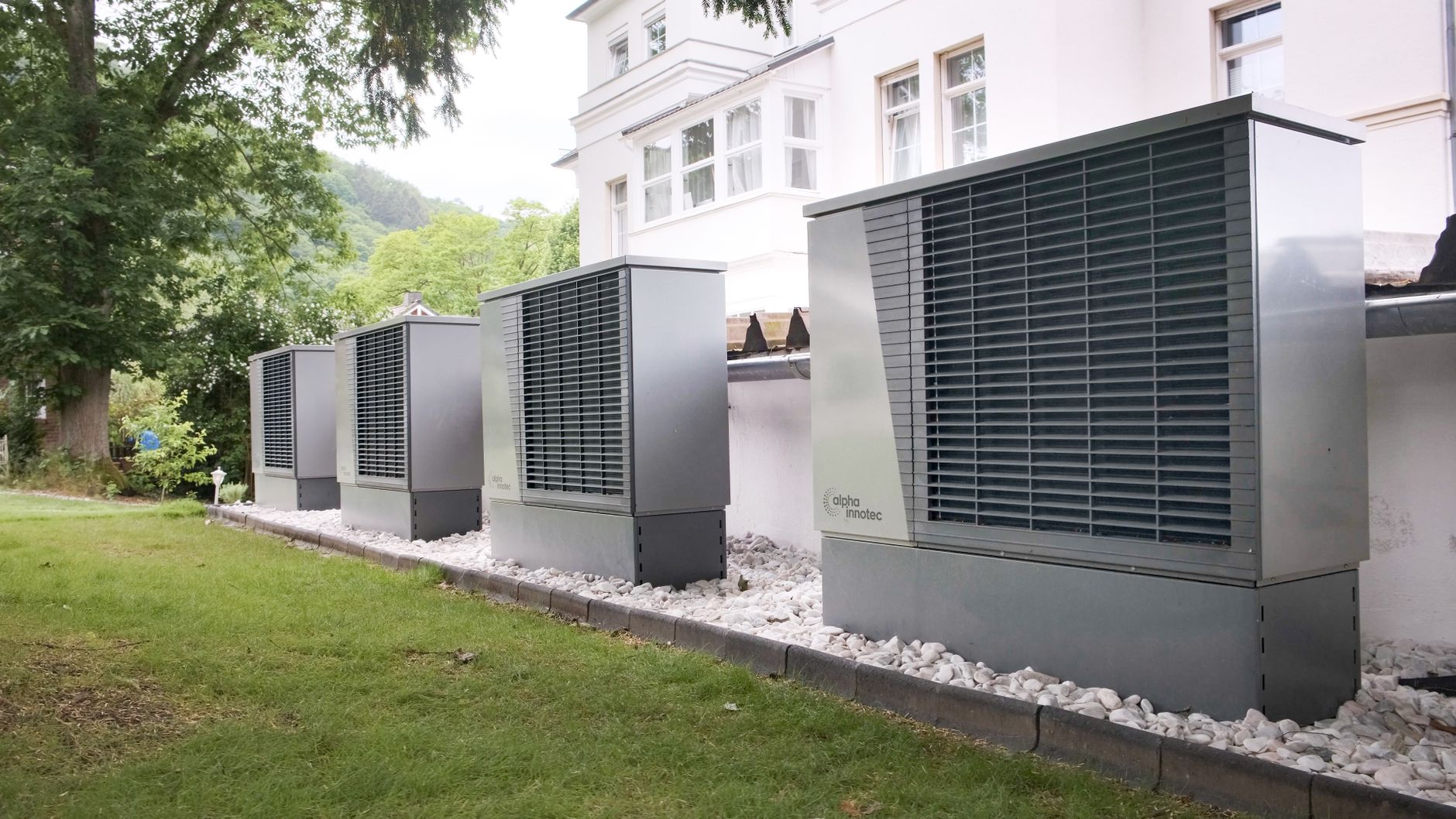
Homes and commercial properties can use several different heating technologies, and each type has its own operating characteristics. Furnaces are among the most common systems and generally heat air before distributing it through a network of ducts. They may operate using electricity, natural gas, propane, or other fuel sources. Heat pumps work differently by transferring heat rather than generating it in the traditional way. They can provide both heating and cooling, making them a versatile choice for many properties.
Boilers use heated water to distribute warmth through radiators, baseboards, or radiant floor systems. These systems can provide comfortable, steady heating and are particularly useful in buildings designed around hydronic heating. Electric heaters, radiant systems, and ductless heat pumps are additional options that may be suitable depending on the building’s design, insulation, climate, and energy requirements.
Choosing or maintaining the right equipment requires more than considering the size of the property. Factors such as insulation levels, room layout, existing ductwork, energy prices, system age, and expected usage all influence performance. Professional assessment can help determine whether an existing system is operating appropriately or whether modifications could improve efficiency and comfort.
Local climate factors and property sizing also influence how efficiently heating systems maintain steady indoor temperatures throughout regional seasonal shifts. Working with qualified technicians for residential HVAC services in Arlington TN can help homeowners ensure their systems receive accurate sizing evaluations and routine tune-ups, preventing unexpected airflow issues and supporting balanced indoor comfort all year.
Maintaining ideal temperatures across large facilities often presents distinct operational demands compared to residential spaces. Choosing experienced local support for Warrior AL commercial HVAC services helps business owners address complex ventilation needs, optimize ongoing energy usage, and maintain consistent comfort for both employees and clients throughout the year.
Why Preventive Maintenance Matters
Preventive maintenance is one of the most effective ways to protect heating equipment. Instead of waiting for a breakdown, routine inspections allow technicians to evaluate the system while it is still functioning. Small problems can often be corrected before they develop into major failures, reducing the likelihood of an unexpected interruption during periods of heavy use.
Maintenance commonly includes inspecting electrical connections, checking moving components, examining filters, assessing airflow, cleaning relevant parts, and evaluating safety controls. For fuel-burning systems, combustion and ventilation components may also require careful inspection. A technician can examine the equipment for signs of wear and determine whether components are functioning within appropriate operating conditions.
Regular checkups often involve checking system controls and airflow balance to keep equipment running smoothly throughout the winter. Working with a dedicated service team like Caribbean Breeze Heating & Cooling can help ensure that potential mechanical issues are identified early, supporting consistent indoor warmth and preventing sudden heating failures during colder months.
Another advantage of regular maintenance is improved efficiency. Dust, restricted airflow, worn components, and poorly calibrated controls can cause a system to work harder than necessary. When equipment is clean and properly adjusted, it can generally operate more effectively. Better performance can reduce unnecessary energy consumption and may extend the useful life of expensive components.
Maintenance can also improve reliability. Heating systems often operate for extended periods during cold weather, which places additional demand on motors, electrical components, fans, burners, compressors, and other parts. Regular inspection gives technicians an opportunity to identify components showing signs of excessive wear and address them before they fail unexpectedly.
Recognizing Signs That Heating Equipment Needs Attention
Knowing the warning signs of heating problems can help property owners respond before a minor issue becomes a serious repair. One of the most obvious indicators is a noticeable decline in heating performance. If a system runs continuously but fails to maintain the desired temperature, there may be a problem with airflow, controls, heat production, or the equipment’s overall capacity.
Unusual sounds should also receive attention. Rattling, banging, squealing, grinding, buzzing, or repeated clicking can indicate loose parts, worn bearings, electrical issues, or other mechanical concerns. Different sounds can point to different problems, so attempting to diagnose a complicated issue without appropriate training may lead to unnecessary damage.
Frequent cycling is another warning sign. A properly functioning system should respond to thermostat settings in a predictable way. If it repeatedly starts and stops within short intervals, there may be a thermostat problem, airflow restriction, incorrect system sizing, overheating protection, or another underlying issue.
Unusual smells should never be dismissed, particularly when they are strong, persistent, or associated with fuel-burning equipment. While a dusty smell can sometimes occur when a system is first used after a long period of inactivity, persistent burning or fuel-like odors should be investigated promptly. If there is concern about a gas leak or other immediate safety hazard, occupants should leave the area and contact the appropriate emergency or utility service rather than attempting to troubleshoot the situation themselves.
The Role of Airflow in Heating Performance
Airflow has a major influence on how effectively a heating system distributes warmth. Even a high-quality heating unit may perform poorly if air cannot move freely through the system. Dirty filters, blocked vents, damaged ductwork, closed registers, and other restrictions can reduce airflow and place unnecessary strain on equipment.
Replacing or cleaning filters according to the manufacturer’s recommendations is a simple but important maintenance task. A severely clogged filter can restrict air movement, reduce comfort, and increase the workload placed on the heating equipment. However, filter requirements vary between systems, so the correct type and replacement schedule should be based on the manufacturer’s instructions and the property’s conditions.
Ductwork can also affect performance. Leaks or poorly insulated ducts may allow heated air to escape before reaching living spaces. This can lead to uneven temperatures and wasted energy. Professional inspection can help identify significant duct problems and determine whether sealing, insulation, cleaning, or other improvements are appropriate.
Improving Heating Efficiency
Energy efficiency is an important consideration for both household budgets and long-term equipment performance. An efficient system can provide the necessary level of comfort while using less energy. However, efficiency depends on more than the equipment’s rated performance. Building insulation, thermostat settings, ductwork, filters, maintenance, and occupant habits all influence actual energy consumption.
One of the simplest ways to improve efficiency is to use the thermostat intelligently. Maintaining a reasonable temperature and adjusting the setting when the building is unoccupied can reduce unnecessary heating demand. Programmable or smart thermostats can automate temperature changes and may help users maintain more consistent schedules.
Insulation is equally important. Heat naturally moves from warmer areas toward colder areas, so poorly insulated walls, ceilings, windows, and doors can allow significant amounts of heat to escape. Improving insulation and reducing drafts can help a heating system maintain indoor temperatures with less effort.
Regular heating service can complement these improvements by ensuring that the equipment itself is operating correctly. A system that is properly maintained is less likely to waste energy because of preventable mechanical or airflow problems.
Repair or Replacement: Making the Right Decision
Every heating system eventually reaches a point where repairs may no longer be the most practical option. Deciding whether to repair or replace equipment depends on several factors, including age, repair frequency, operating efficiency, replacement-part availability, and the estimated cost of continued ownership.
A relatively new system with a limited and inexpensive problem may be a good candidate for repair. On the other hand, an older unit that requires frequent repairs may continue to generate expenses without providing dependable performance. If a major component fails and the repair cost represents a substantial portion of the price of modern replacement equipment, replacement may deserve serious consideration.
Modern heating systems can offer improved efficiency, better temperature control, quieter operation, and updated safety features. However, replacement should not be based solely on the promise of lower energy bills. Proper sizing and installation are equally important. An incorrectly sized system may cycle too frequently, fail to maintain comfort, or operate inefficiently even if the equipment itself has a strong efficiency rating.
A professional assessment can provide useful information about the current condition of the system and the likely benefits of different options. Property owners can then compare immediate repair expenses with long-term operating and maintenance costs.
Choosing a Qualified Heating Professional
Selecting a reliable technician is an important part of maintaining heating equipment. Experience, technical knowledge, proper licensing where applicable, transparent pricing, and professional communication are all valuable considerations. A trustworthy provider should be willing to explain the problem clearly rather than recommending unnecessary work without an understandable reason.
Customers should also look for professionals who perform thorough inspections instead of focusing only on the most obvious symptom. For example, replacing a failed component may restore operation temporarily, but identifying why the component failed can help prevent the same issue from returning.
Written estimates can make repair decisions easier. A clear estimate should describe the recommended work, relevant parts, labor, and any other significant costs. For major repairs or replacement projects, asking questions about warranties, maintenance requirements, expected performance, and installation procedures can help prevent misunderstandings.
Good communication is particularly important when dealing with heating equipment because the system may affect comfort and safety throughout the property. A professional technician should explain urgent concerns clearly and distinguish them from optional improvements.
Preparing a Heating System Before Heavy Use
Preparing equipment before the coldest part of the season can reduce the risk of unexpected problems. A seasonal inspection gives technicians an opportunity to evaluate the system before it is placed under sustained demand. This is especially valuable for older equipment or systems that have experienced performance problems in the past.
Property owners can begin by checking that vents and registers are unobstructed, replacing filters when necessary, and ensuring that the thermostat is functioning correctly. Outdoor components of heat pump systems should remain clear of leaves, vegetation, snow, and other debris. Indoor areas around heating equipment should also be kept appropriately clear to allow access and safe operation.
Professional inspection can then address the components that are difficult for homeowners to evaluate themselves. Depending on the system, this may include electrical connections, motors, burners, heat exchangers, refrigerant-related components, safety controls, ductwork, and other specialized parts.
Early preparation also gives property owners more time to make decisions. If a technician discovers that a system is nearing the end of its useful life, the owner can research replacement options rather than being forced into an emergency purchase after a sudden failure.
Indoor Comfort and Air Quality
Heating affects more than temperature. The way air is heated and circulated can influence overall indoor comfort and air quality. Excessive dryness, poor circulation, dust accumulation, and inconsistent temperatures can make an otherwise functional heating system feel uncomfortable.
Clean filters and properly maintained equipment can help support better airflow. However, heating equipment should not be treated as a complete indoor-air-quality solution. Ventilation, humidity control, filtration, cleanliness, and building maintenance also play important roles.
Maintaining balanced temperatures throughout a property can improve comfort for occupants and reduce the temptation to constantly adjust the thermostat. If some rooms remain cold while others become excessively warm, the problem may involve ductwork, insulation, system balancing, thermostat placement, or equipment capacity.
Addressing these underlying factors can produce better results than simply increasing the thermostat setting. In many situations, improving distribution and reducing heat loss can provide greater comfort without significantly increasing energy consumption.
The Value of Long-Term Heating Care
Heating equipment represents a significant investment, and taking care of it can help maximize that investment. Long-term care is not limited to emergency repairs. It involves a combination of routine maintenance, timely troubleshooting, efficient operation, appropriate temperature management, and informed replacement decisions.
Keeping records of inspections and repairs can also be useful. Maintenance records help property owners understand how often a system requires attention and whether repair costs are increasing. They may also provide useful information to technicians who need to understand the equipment’s service history.
A long-term approach can make heating costs more predictable. Instead of reacting to repeated emergencies, property owners can plan routine inspections, budget for eventual replacement, and address efficiency problems as they arise. This approach is particularly beneficial for properties where reliable heating is essential for occupants’ daily comfort.
Conclusion
A dependable heating system is the result of suitable equipment, proper installation, regular maintenance, timely repairs, and responsible operation. Paying attention to warning signs such as unusual noises, inconsistent temperatures, frequent cycling, restricted airflow, and unexplained increases in energy consumption can help prevent larger problems. Preventive maintenance can further improve reliability, efficiency, and equipment longevity while giving property owners greater confidence during periods of heavy heating demand.
Whether a system needs routine attention, troubleshooting, repair, or eventual replacement, professional heating service can provide valuable expertise and help ensure that equipment operates as intended. The best approach is not simply to wait for a heating system to fail. Instead, property owners should treat heating as an ongoing part of building maintenance, with regular inspections and informed decisions based on equipment condition and actual performance.
By combining proper maintenance with efficient energy practices, good airflow management, appropriate insulation, and professional guidance, homeowners and businesses can create a warmer, more comfortable indoor environment while reducing avoidable operating problems. A proactive approach ultimately provides greater reliability and can help extend the useful life of heating equipment, making comfort easier to maintain throughout the years.